
![[Live Report] Ghibli Jazz / ALL THAT LAZZ|Reinterpreting Shared Memories: When Jazz Meets the Fantastical Imagination of Studio Ghibli](/_next/image?url=https%3A%2F%2Fcdn.sanity.io%2Fimages%2Fj7v3ih3b%2Fproduction%2F49dfb52abead6b8af24b5cb9a2c33b84833fc05c-4059x2706.jpg&w=3840&q=75)
Music
All That Jazz 2025.11.28
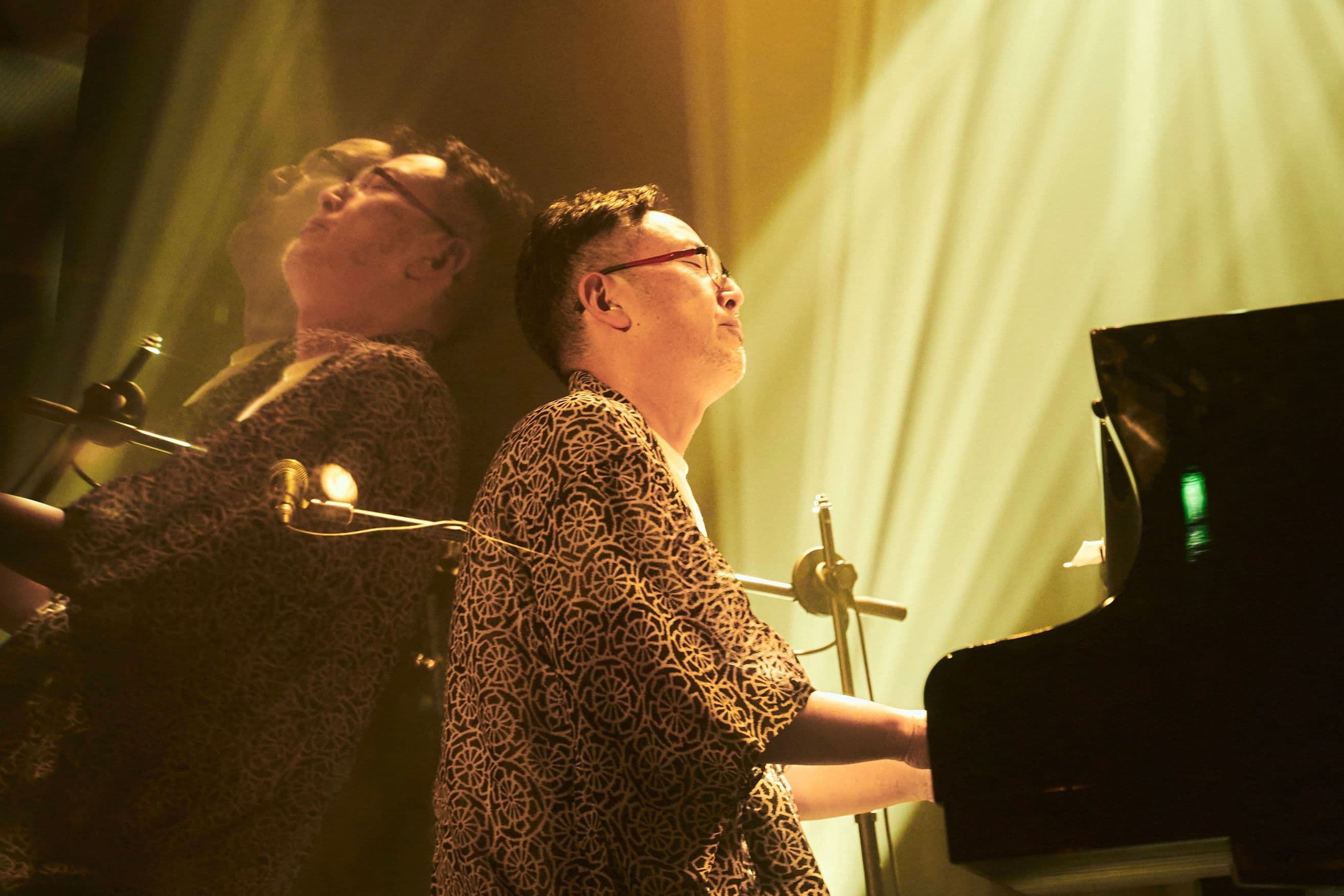
“Dàjiā hǎo!” With a single greeting in Chinese, the room warmed instantly. At center stage stood Asao Nogami—the shy, soft-spoken pianist who also happens to be the bandleader and principal arranger of All That Jazz.
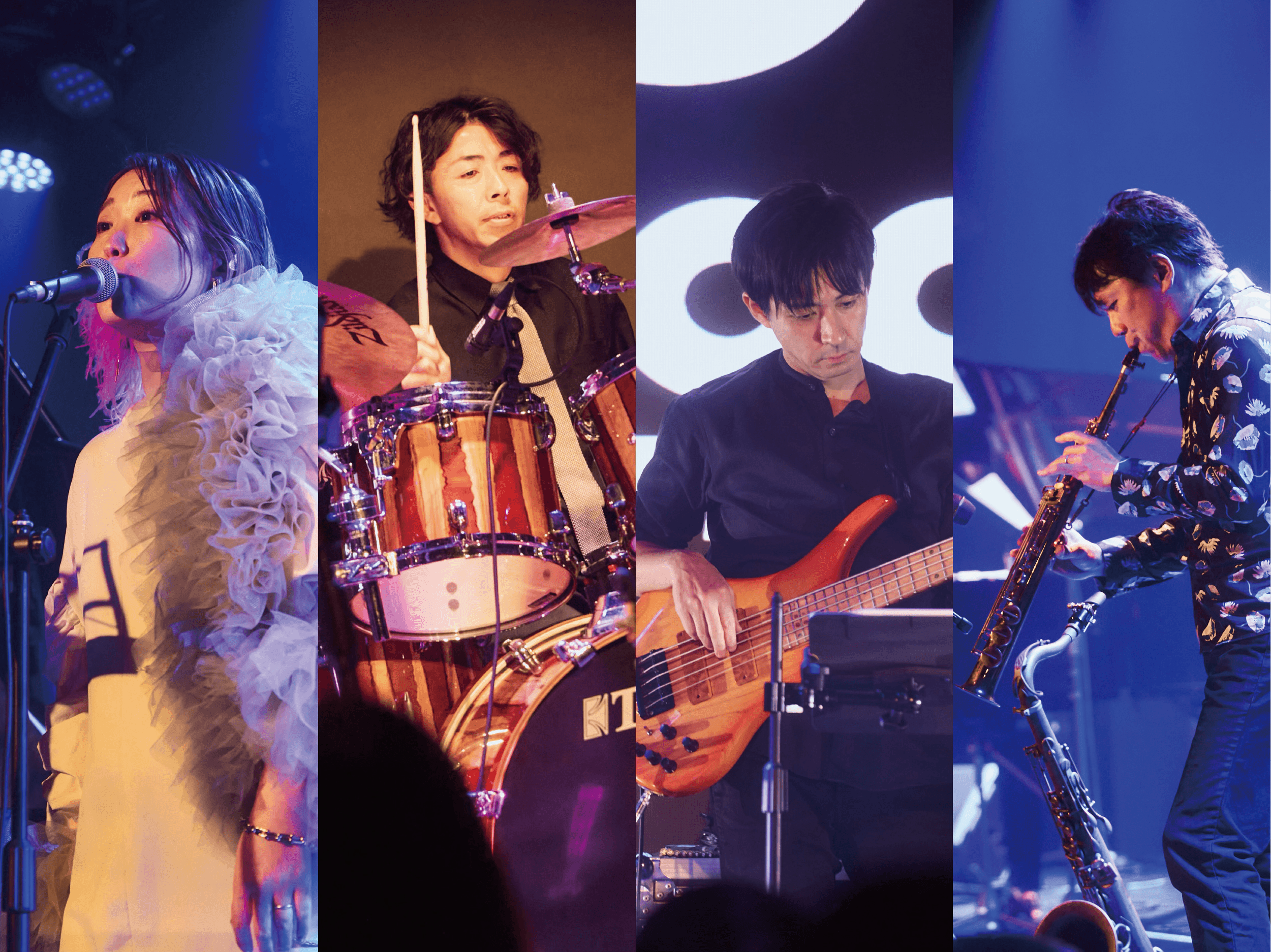
As the musicians settled into position, Nogami brushed a few tender chords across the piano, and moments later vocalist YURIKO stepped into the spotlight to roaring applause. The opening number, an arrangement from Kiki’s Delivery Service, immediately set the tone: drummer Sueto Kenji and bassist Kawamoto Sosuke shifted effortlessly through rhythmic patterns while saxophonist Kushihara Shintaro shadowed the vocal melody. The piano took the first improvisational leap, then passed the baton to the saxophone. Barely three minutes into the show, an electric tension—intangible yet palpable—had already woven itself between the jazz vocalist and the ensemble. This is All That Jazz at their finest.
When the first tune concluded, Nogami again addressed the crowd in Chinese: “We are All That Jazz. Nice to meet you. Thank you for being here. Let’s go to the next song!” His playful introductions broke away from the usual formality of jazz concerts, earning a wave of appreciative applause—partly for the music, partly for his effort to speak to the audience in their language.
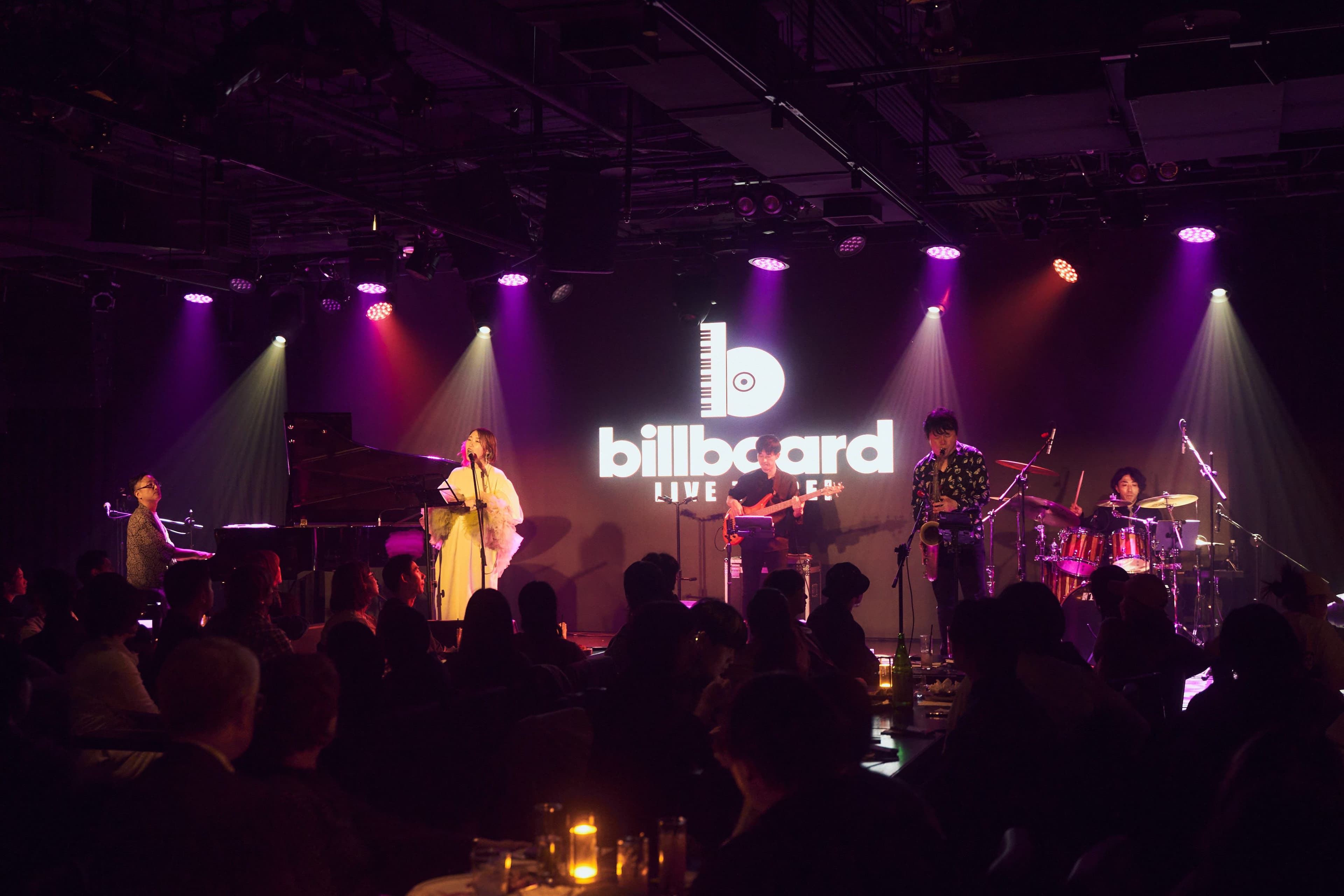
The second piece, “Sanpo” from My Neighbor Totoro, came in as a full-bodied big band–style arrangement, brimming with instrumental counterlines and tight unison hits. The once-lighthearted tune now felt downright festive. YURIKO matched the mood with a vibrant, childlike tone. The atmosphere shifted drastically in the next number, “Always With Me” from Spirited Away, rendered with solemn, hymn-like gravitas. The piano’s slow buildup gave way to a hauntingly ceremonial texture, ending on a suspended chord that left the audience holding their breath in the lingering resonance.

This round of talking fell to YURIKO herself. “Thank you for being here. I’m a little nervous… please excuse me,” she said with a shy laugh. Her hesitation only endeared her further to the crowd, who answered with warm applause. Then came “One Summer’s Day,” instantly recognizable from the first notes—one of those melodies etched into the collective memory of a generation. Heads nodded softly throughout the venue as listeners sank into nostalgia.
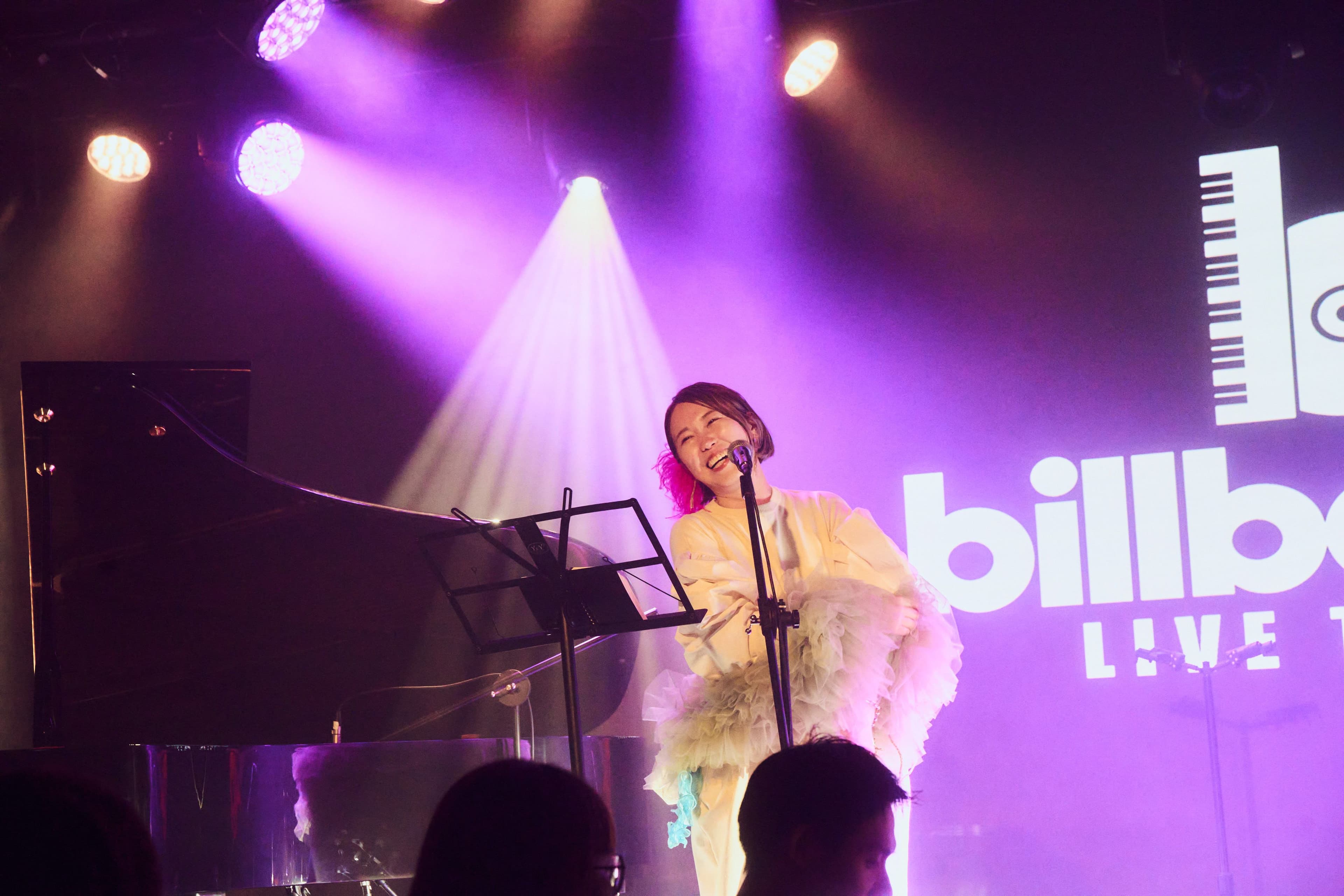
YURIKO’s voice is a vessel capable of switching emotional gears with ease, coloring each melody with narrative intention. Saxophonist Kushihara often joined that storytelling, weaving lines that danced between vocal timbre and instrumental freedom. After the song, YURIKO slipped offstage, leaving the room to Nogami’s solo piano. Bathed in a solitary spotlight, he shifted the mood from misty abstraction to rhythmic clarity. Then—almost mischievously—the familiar melody of “Castle in the Sky” emerged. The moment felt like an encounter between the present self and one’s childhood. With Latin grooves propelling the rhythm and the saxophone diving into bebop-inflected runs, the piece unfolded like a musical battleground of memories.
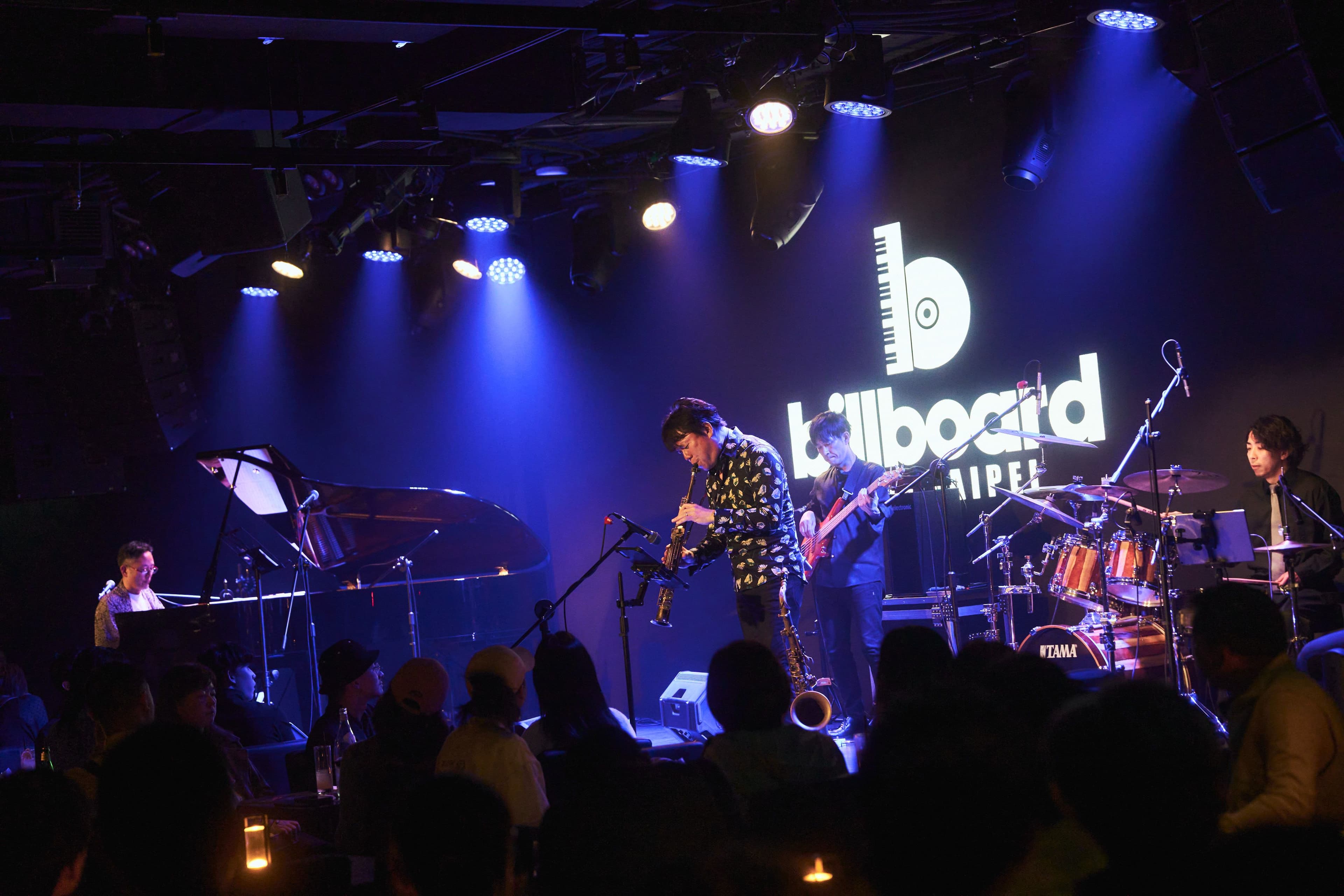
With the vocalist still offstage, the band launched into a suite of Ghibli themes: Castle in the Sky, Howl’s Moving Castle, The Wind Rises. Afrobeat melted into Latin; genre boundaries dissolved. The musicians sprinted between composed passages and improvisational freedom, grinning at one another, listening intently, pushing and pulling the momentum. Drummer Sueto was a force—fiery when needed, restrained when the room demanded softness.
“We went to a night market last night, had curry rice… so good! Taiwan is the best!” Nogami joked between pieces, releasing the tension built from nearly twenty minutes of instrumental fireworks. By this point, it became clear that Nogami’s arrangements intentionally diverged from the original harmonies. Leaning into jazz’s improvisatory nature, he shaped the Ghibli universe into something looser, freer, and wonderfully unpredictable.
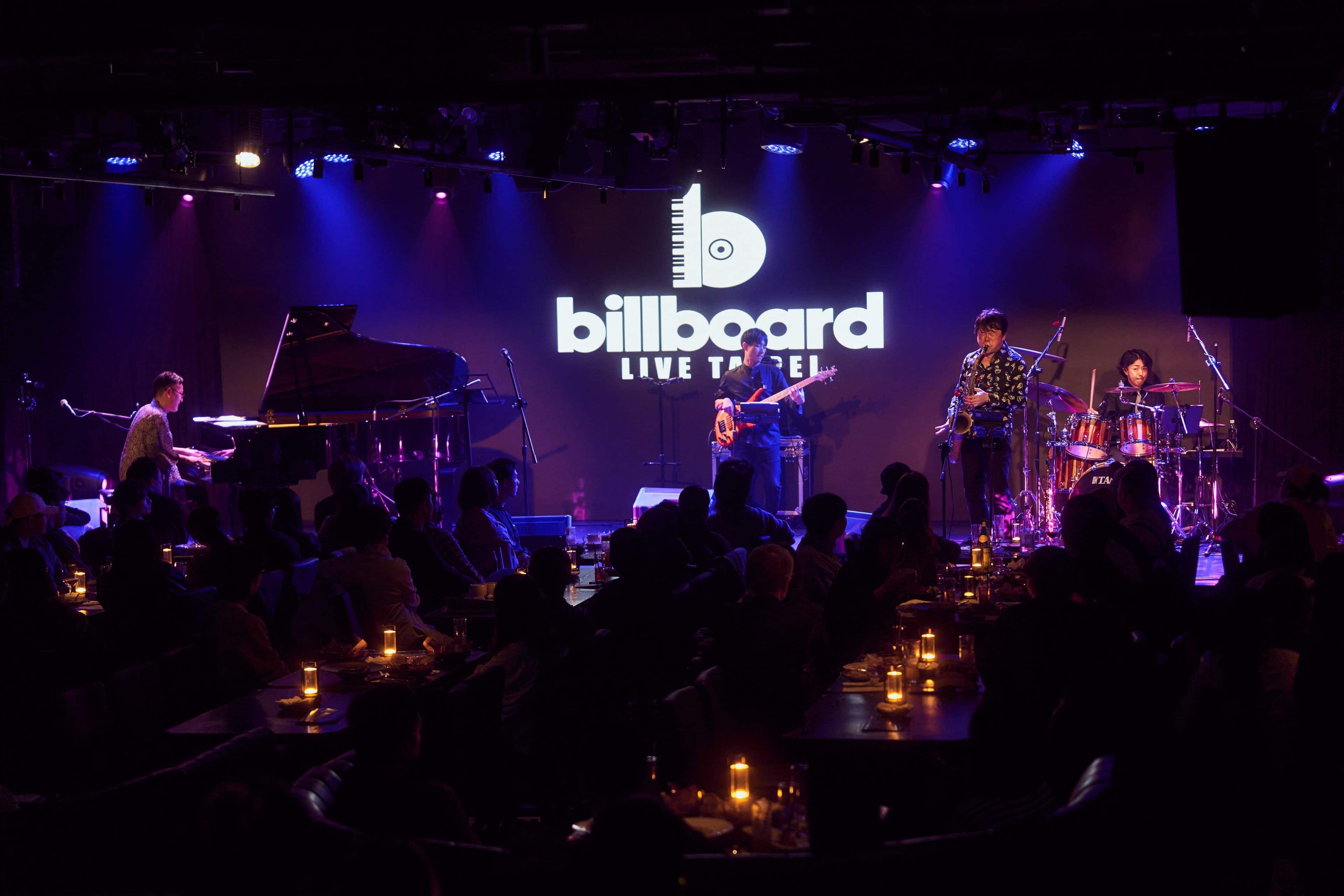
After what felt like a musical showdown, YURIKO returned to the stage. The piano opened the second half with a glass-like shimmer. Reggae grooves and funk pulses slipped into classics like Nausicaä and Totoro, replacing the dense Latin-jazz textures of the earlier set. “Clap with us!” YURIKO encouraged during Totoro, inviting audience participation. The room lit up as listeners clapped and sang along, honoring the nostalgia with genuine joy.
When the final tune ended, the audience erupted in chants for an encore. The band returned—but YURIKO was nowhere in sight. Nogami seized the moment with a spontaneous solo, a reminder that jazz improvisation is its own expressive universe.
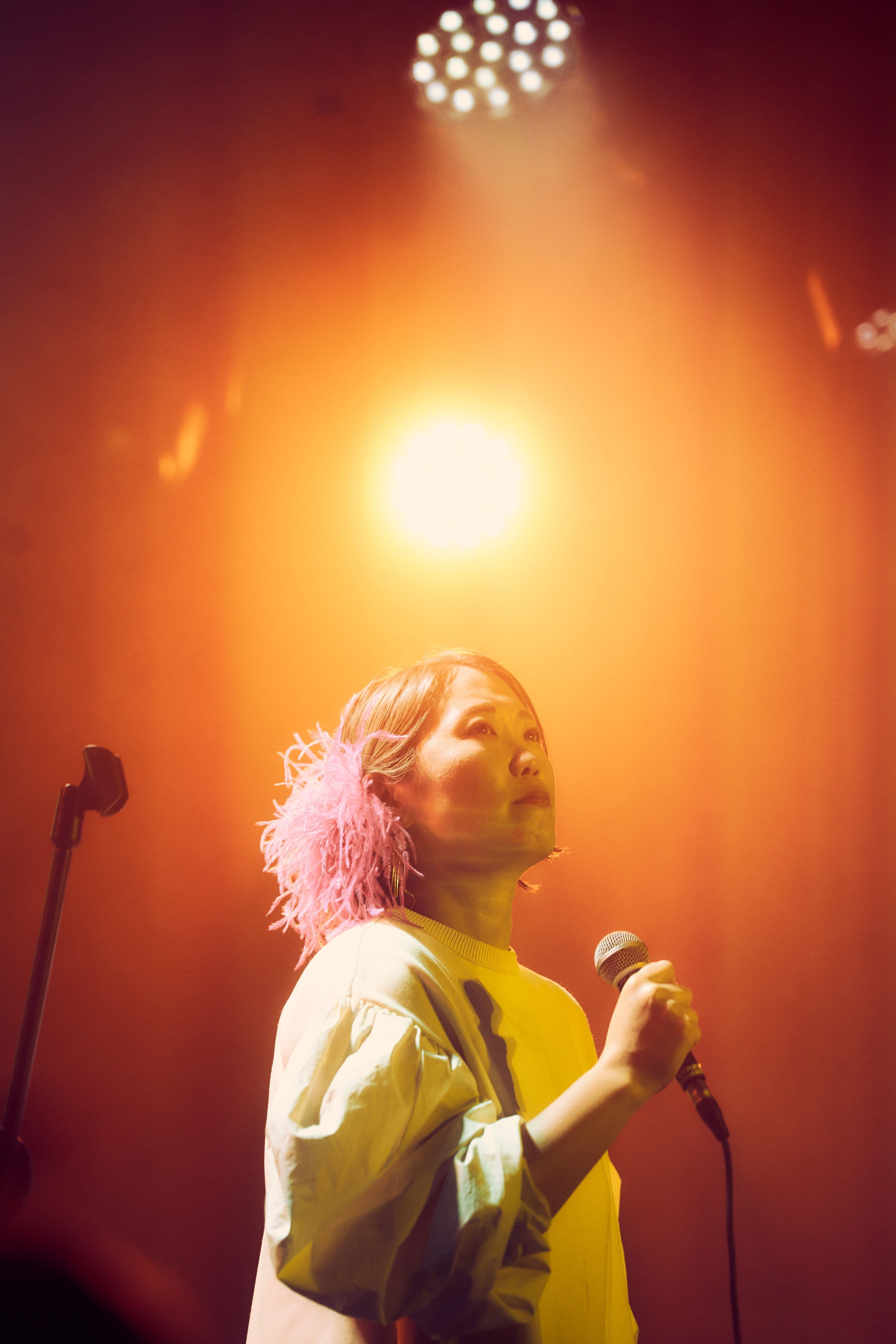
“Because of Ghibli, I could have such a wonderful night. Thank you,” YURIKO said when she rejoined for the true finale. Then came the most unexpected encore: the cult-classic Evangelion theme “A Cruel Angel’s Thesis,” followed by Take Me Home, Country Roads in both English and Mandarin. Looking around, one could see satisfaction—faces glowing with nostalgia, joy, and the warmth of shared cultural memory.
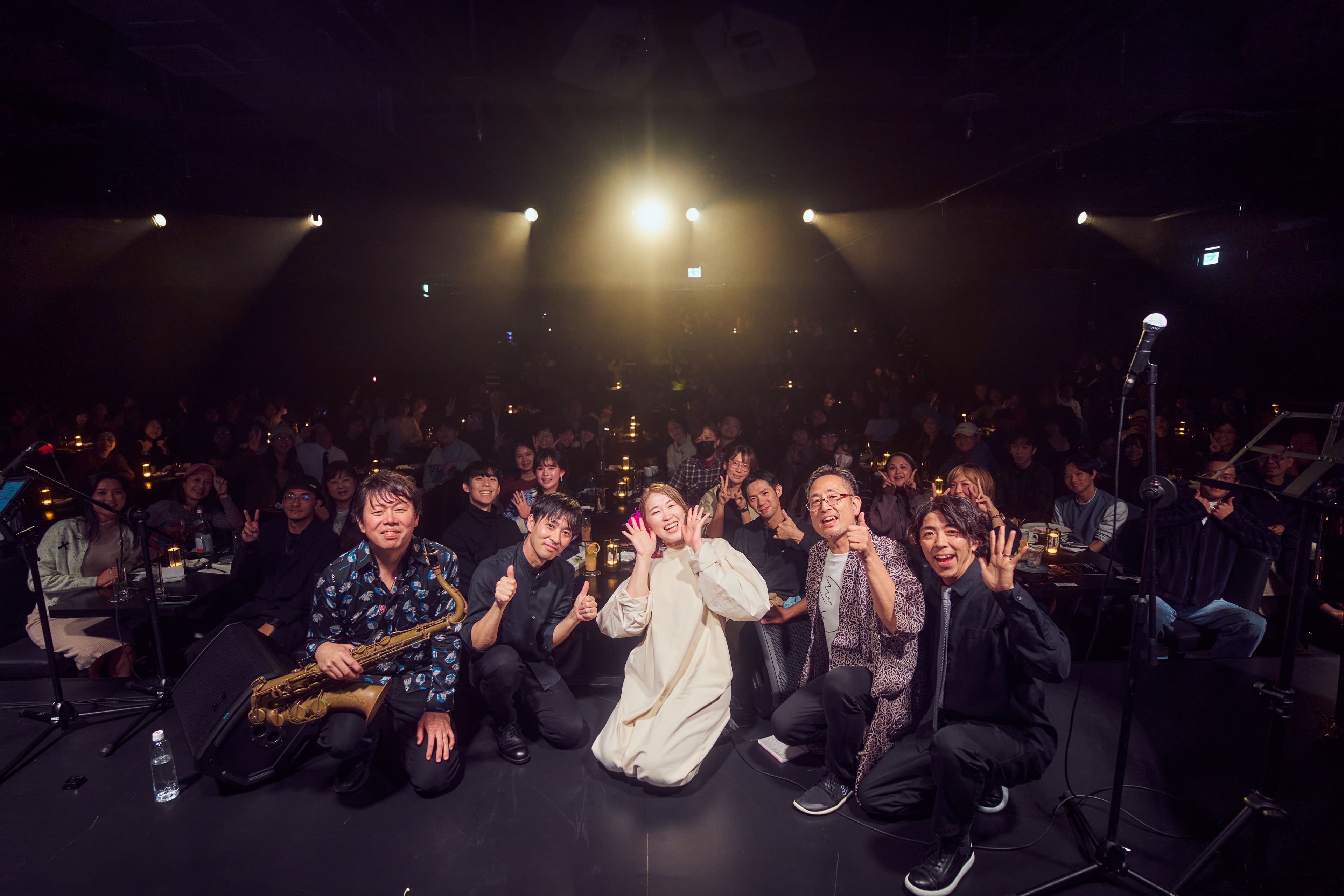
A cross-generational soundtrack came alive this night at Billboard Taipei, stitched together by musicians who understand both reverence and reinvention.
Article Author

