




Do as Infinity 2025/12/21~12/22
“Do As Infinity’s 2025 Tour Finale: A Night of Collective Memories at Billboard Live TAIPEI”
The audience was a vivid mix of married couples, office workers, and fashion-forward teenagers. Classic songs such as Shinjitsu no Uta, Fukai Mori, and theme songs from the anime Inuyasha instantly captured the hearts of fans across generations.
Celebrating their 25th anniversary, Do As Infinity concluded their 2025 tour with a final performance at Billboard Live TAIPEI.

On stage, multiple Yamaha synthesizers surrounded the leather-jacket-clad keyboardist, while a grand piano sat on the left. The drummer drove the rhythm from the right, supported by steady bass lines from the back. Together they launched into Week!.
At the center stood the two core members: vocalist Ban Tomiko in an elegant dress, and vocalist/guitarist Owatari Ryo wearing an Iron Maiden T-shirt. Their contrasting appearances, combined with Tomiko’s sweet yet powerful voice and Ryo’s dynamic guitar tones, vividly traced the memories of countless fans.

Since their debut in 1999, the two have been inseparable creative partners—much like the dual protagonists of the manga Bakuman: one embodying technical mastery, the other vision and narrative sense.

Ban Tomiko shifts emotions with ease, like a jazz diva moving between styles. Her voice blends explosive power with a wide range, capable of expressing countless emotional shades. Owatari Ryo’s guitar solos share the same qualities—melodic yet fiercely rock-driven—allowing listeners to relive past emotions while feeling the raw, face-to-face energy unique to live performance.

“Thank you! This is our second time in Taiwan!”
Excitedly, they shared stories about foot massages and xiaolongbao, while expressing gratitude to fans who have supported them for years. “How are you all?” — “Great!” the audience replied in unison.

It was dinnertime, and many guests enjoyed their meals while immersing themselves in the music. The scene felt like a warm family film unfolding before our eyes.
After 25 years together, the bond between the band and their audience is irreplaceable. As the second half began, emotions overflowed—Tomiko’s tears were met with heartfelt cheers and applause. A sold-out Billboard Live TAIPEI was filled with warmth.

Active since the turn of the millennium, Do As Infinity’s music reveals a deep fusion of genres. Shinjitsu no Uta features folk instruments that evoke ancient Shinto mythology, while its live version replaces them with electric guitar—stripping away mystery and bringing the music into the secular world.
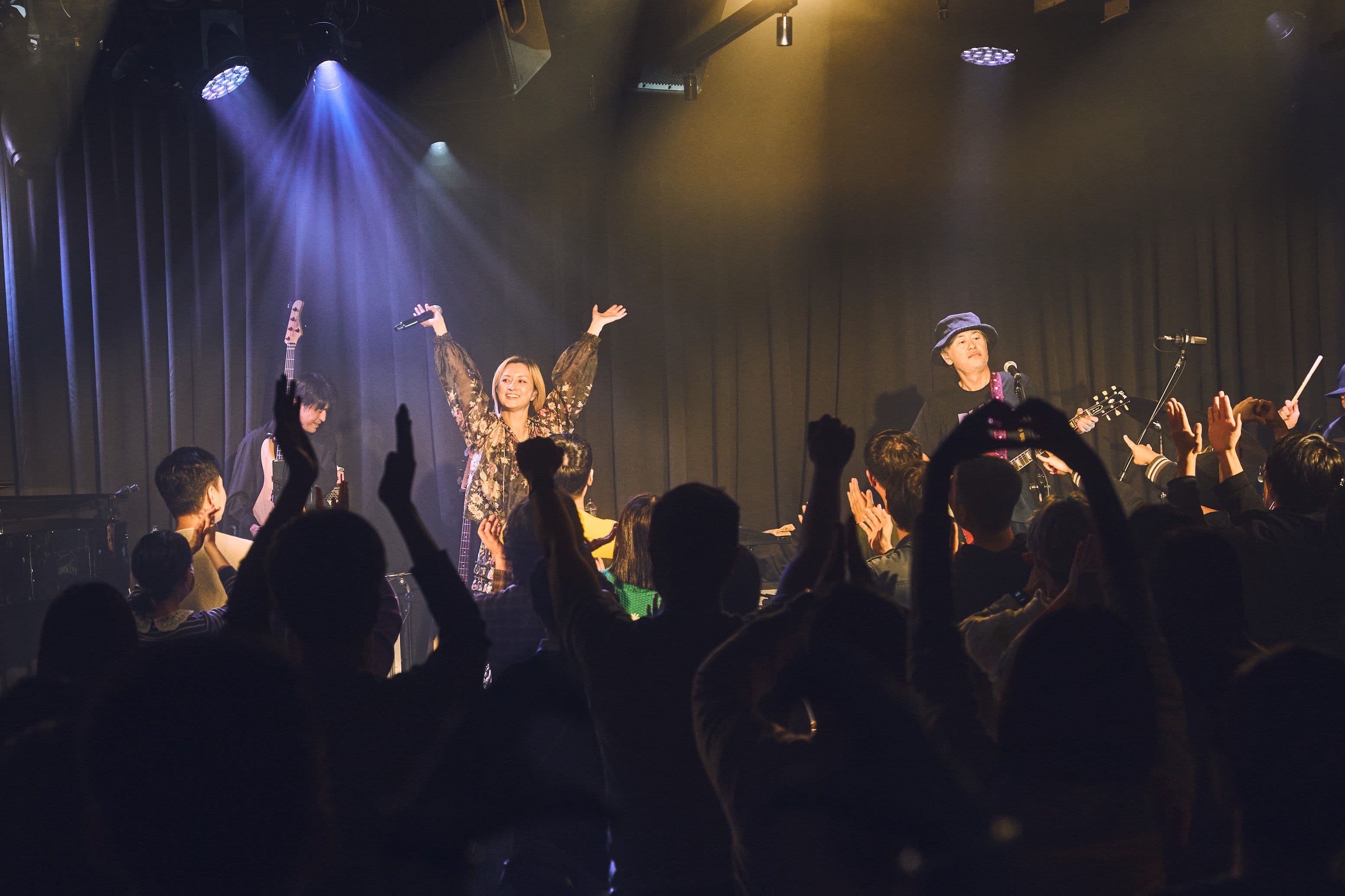
Owatari Ryo picked up a red SG 61 reissue guitar, and at Tomiko’s invitation, the entire audience rose to their feet. High-energy songs like Kimi ga Inai Mirai and Boukensha-tachi followed, while Honjitsu wa Seiten Nari recalled the spirit of Japanese pop-punk and rock legends.

Do As Infinity carries a deep heavy-rock DNA. Albums like Do as Infinity X and Time Machine reveal metal influences, while tracks such as Under the Sun and Kimi ga Inai Mirai pulse with punk and D-beat rhythms.
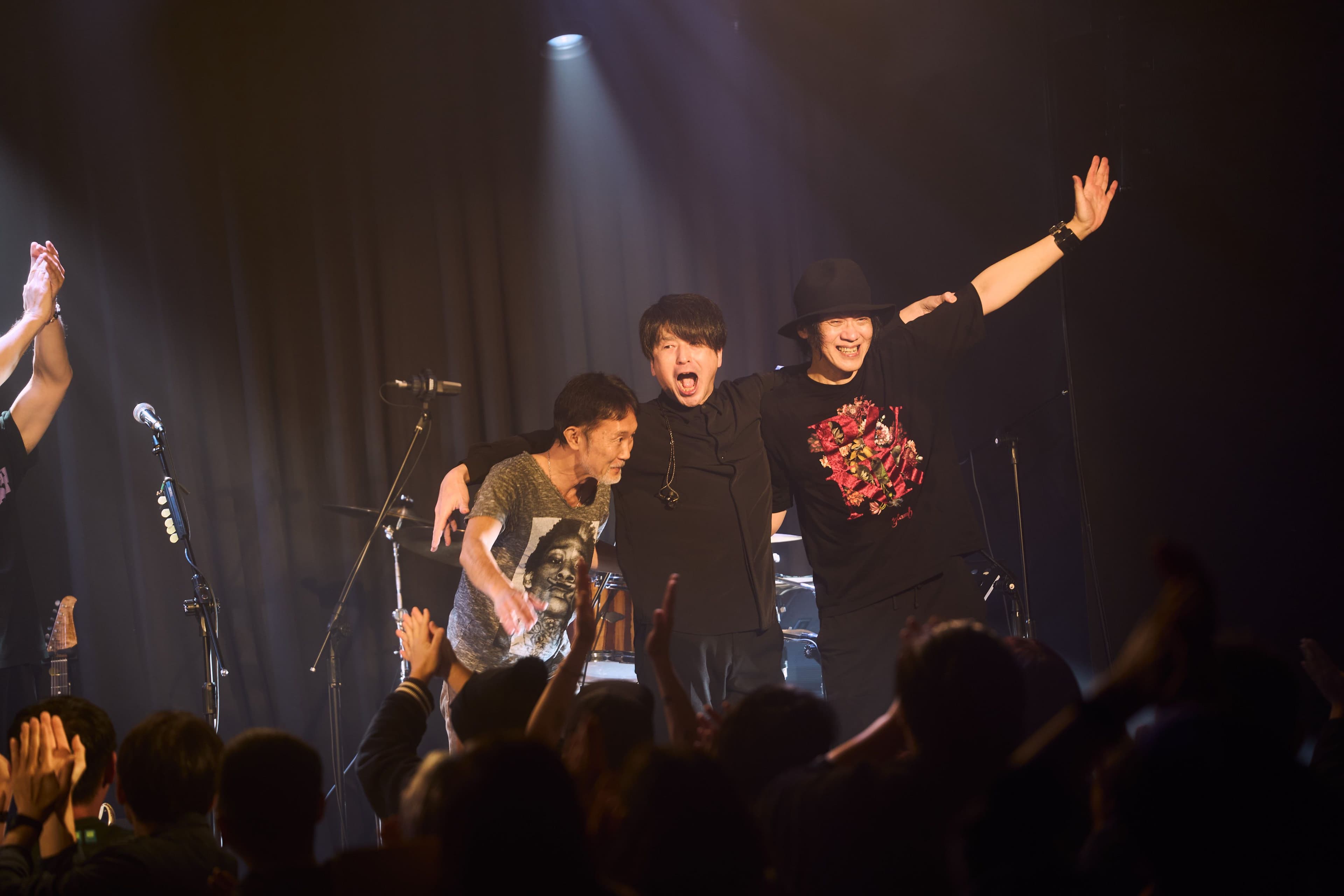
If one only associates Do As Infinity with anime theme songs, they miss the depth of Japan’s musical heritage. From globally respected punk scenes in the 1980s to electronic pioneers touring the world in the late 1970s, underground culture has long nourished Japanese pop music.
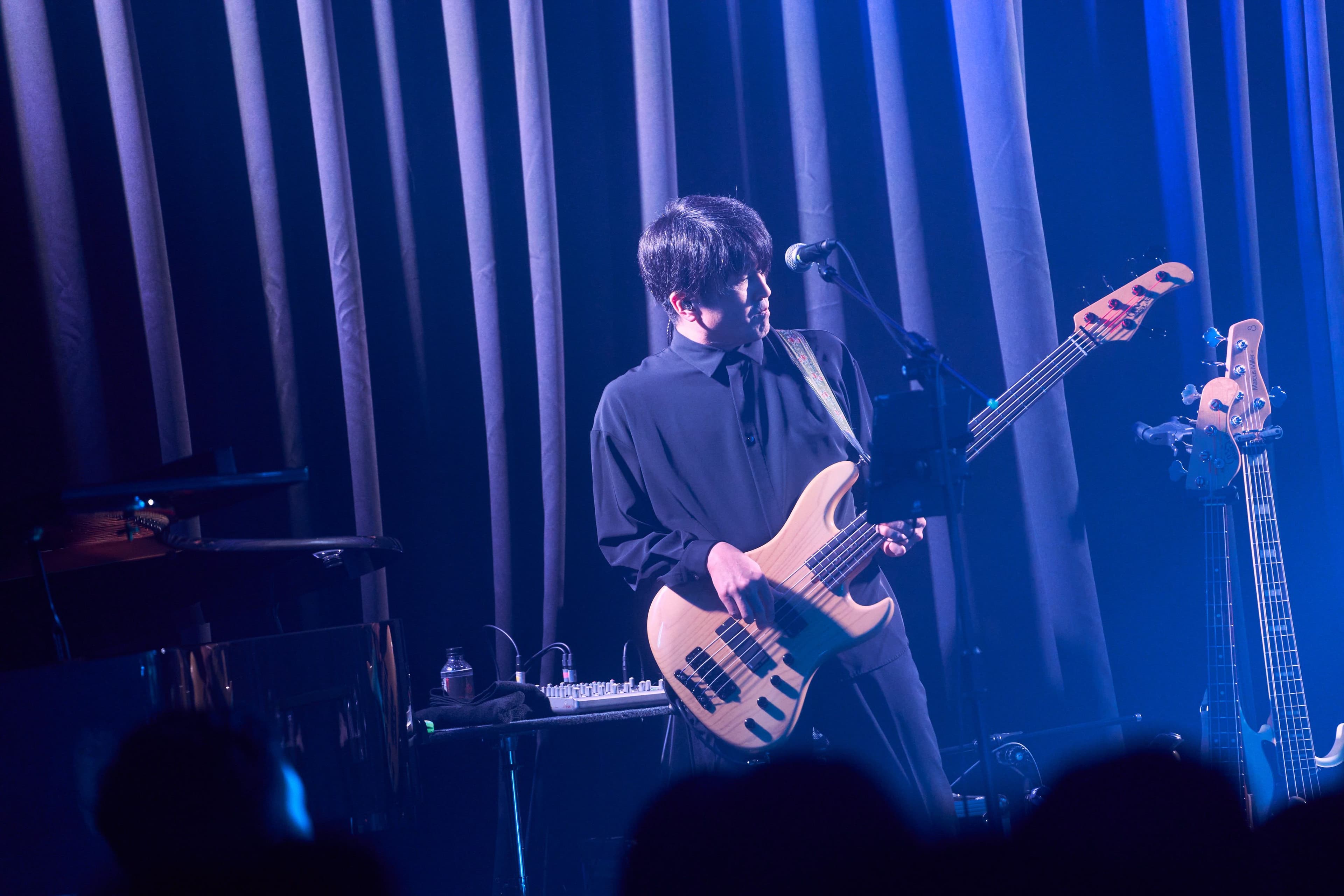
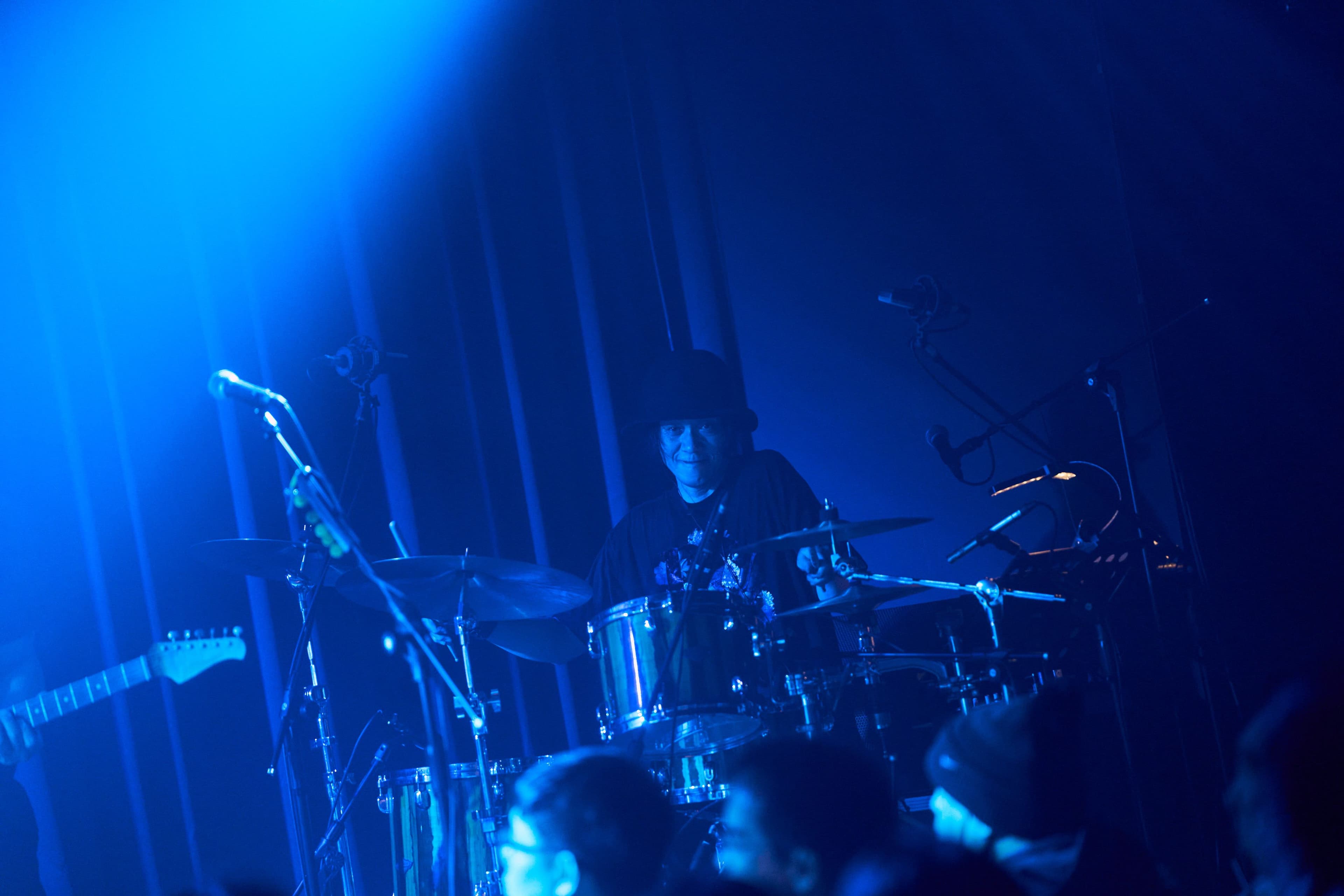
Metal, punk, and alternative sounds—once considered too loud or extreme—found their way into Do As Infinity’s musical language. Combined with Japan’s long tradition of adapting Western music into uniquely local melodies, and the rock revival and Nu-metal wave of the 2000s, their sound became a reflection of its era.

As the audience raised their phones, turning on flashlight lights to form a sea of glowing stars, we experienced a condensed fragment of culture and emotion.

Rock, metal, breakbeats, orchestral textures, and cinematic soundscapes—Do As Infinity weaves multiple musical languages into a deeply Japanese sense of emotion and storytelling.
As the soundtrack of a generation, they stand as one of the most representative musical acts of contemporary Japan.

Article Author
