


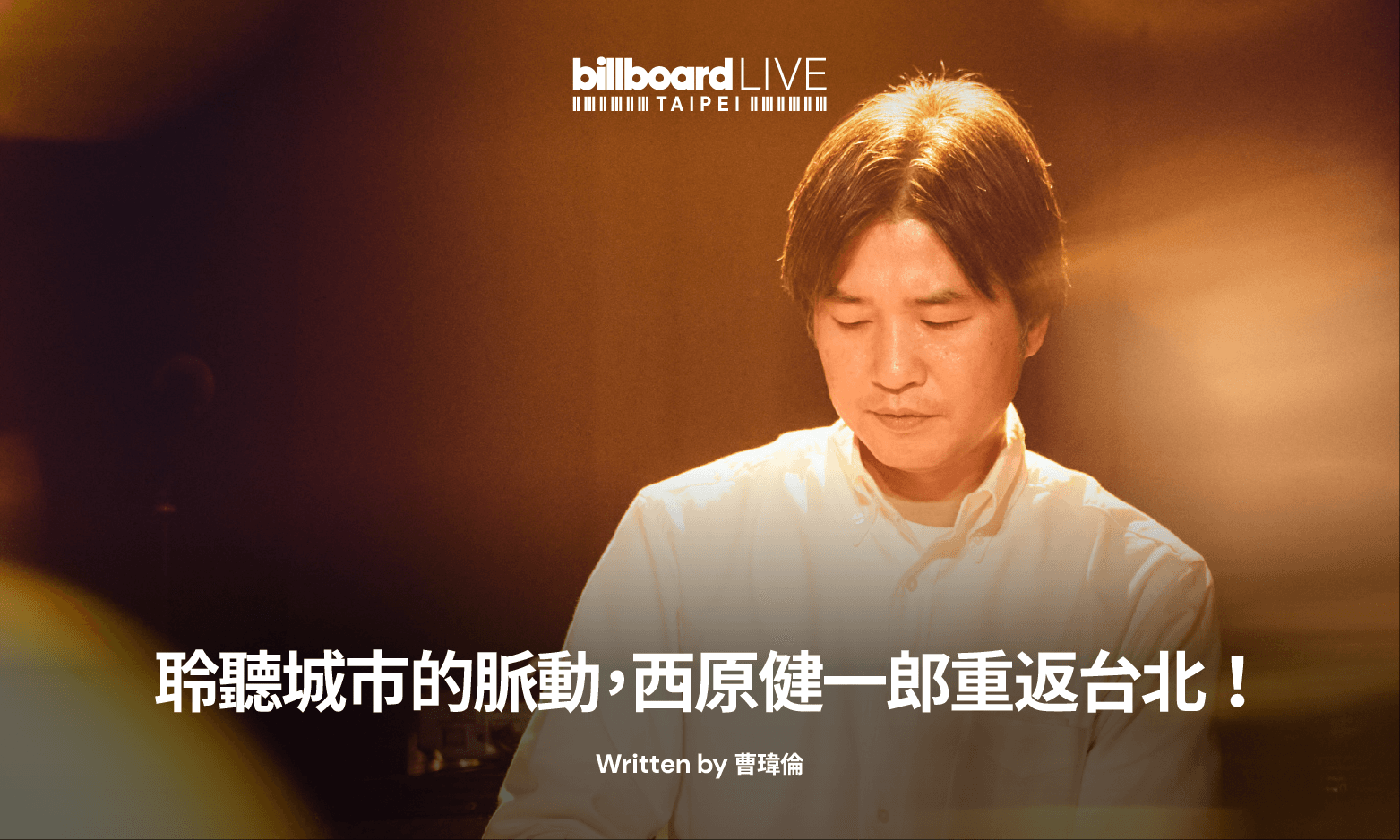

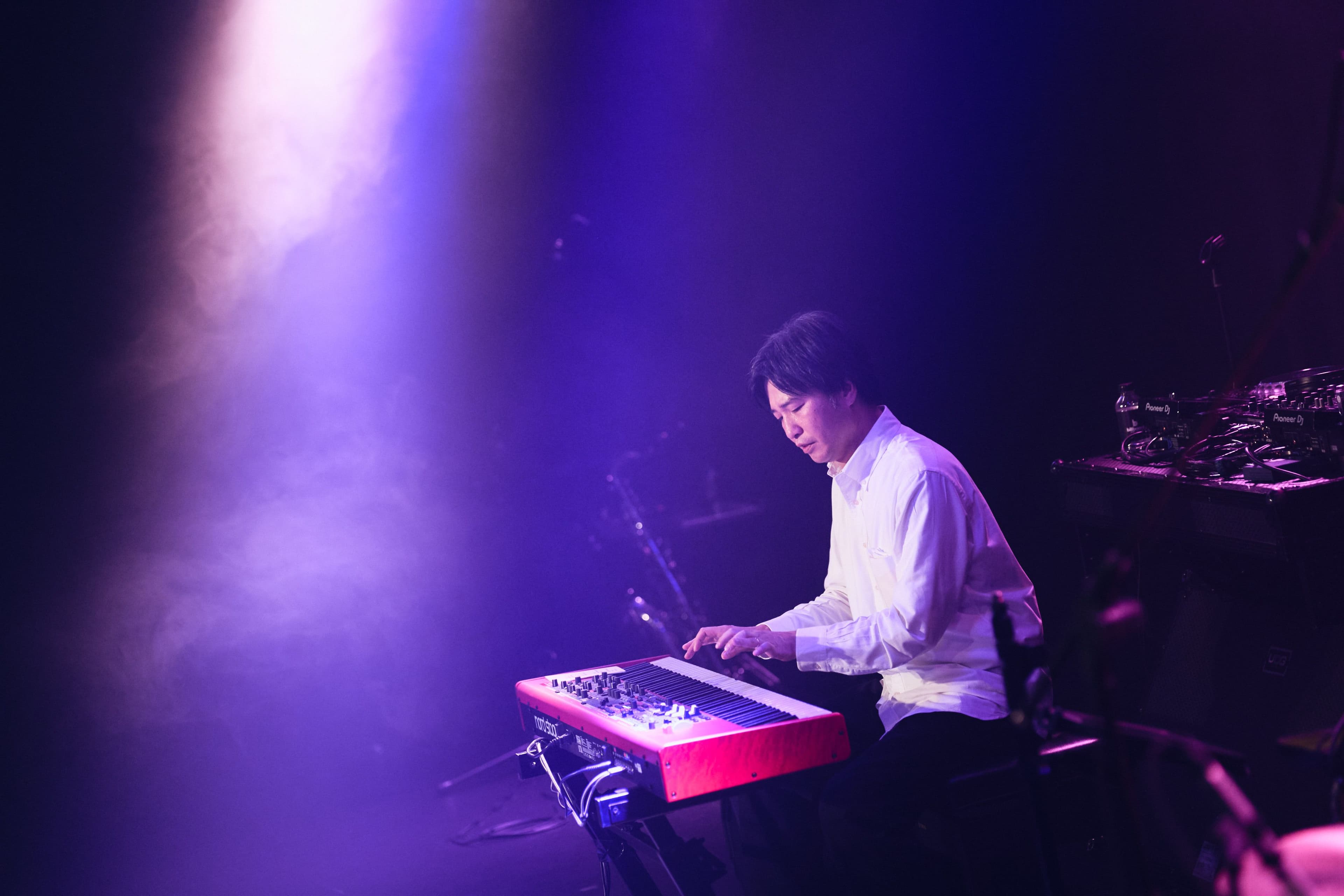
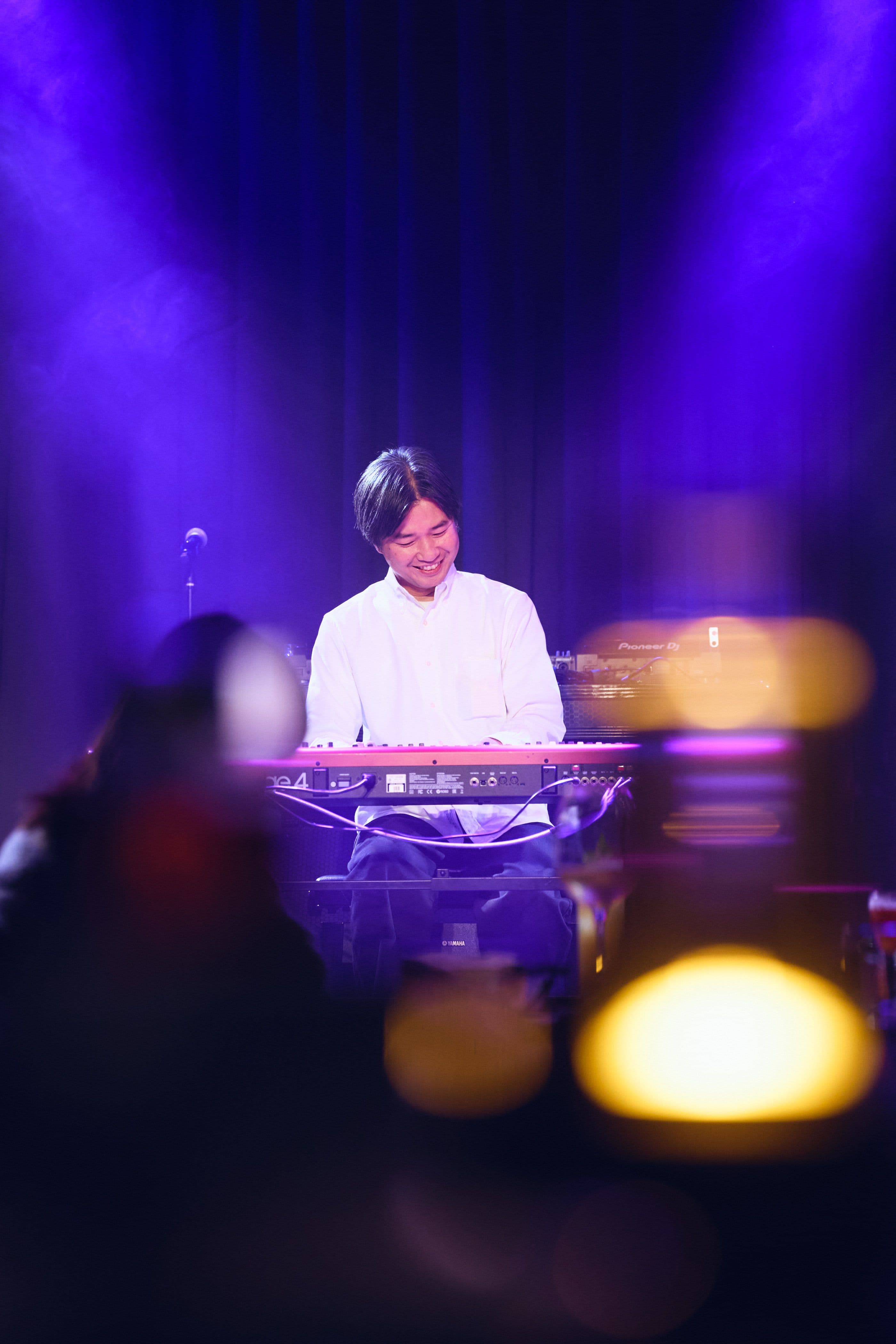
Wearing his signature minimalist shirt, Kenichiro Nishihara takes his seat at the electric piano in the center of the stage, exuding a sense of effortless ease. To his right stands drummer Ken Takahashi, ready to ignite the rhythm.
As the music begins, light piano melodies mingle with swinging drum beats. Nishihara’s performance carries an ethereal, airy quality, grounded by Takahashi’s steady and decisive strokes. The opening track, "Our Love," sets the mood with a vibrant, offbeat groove.
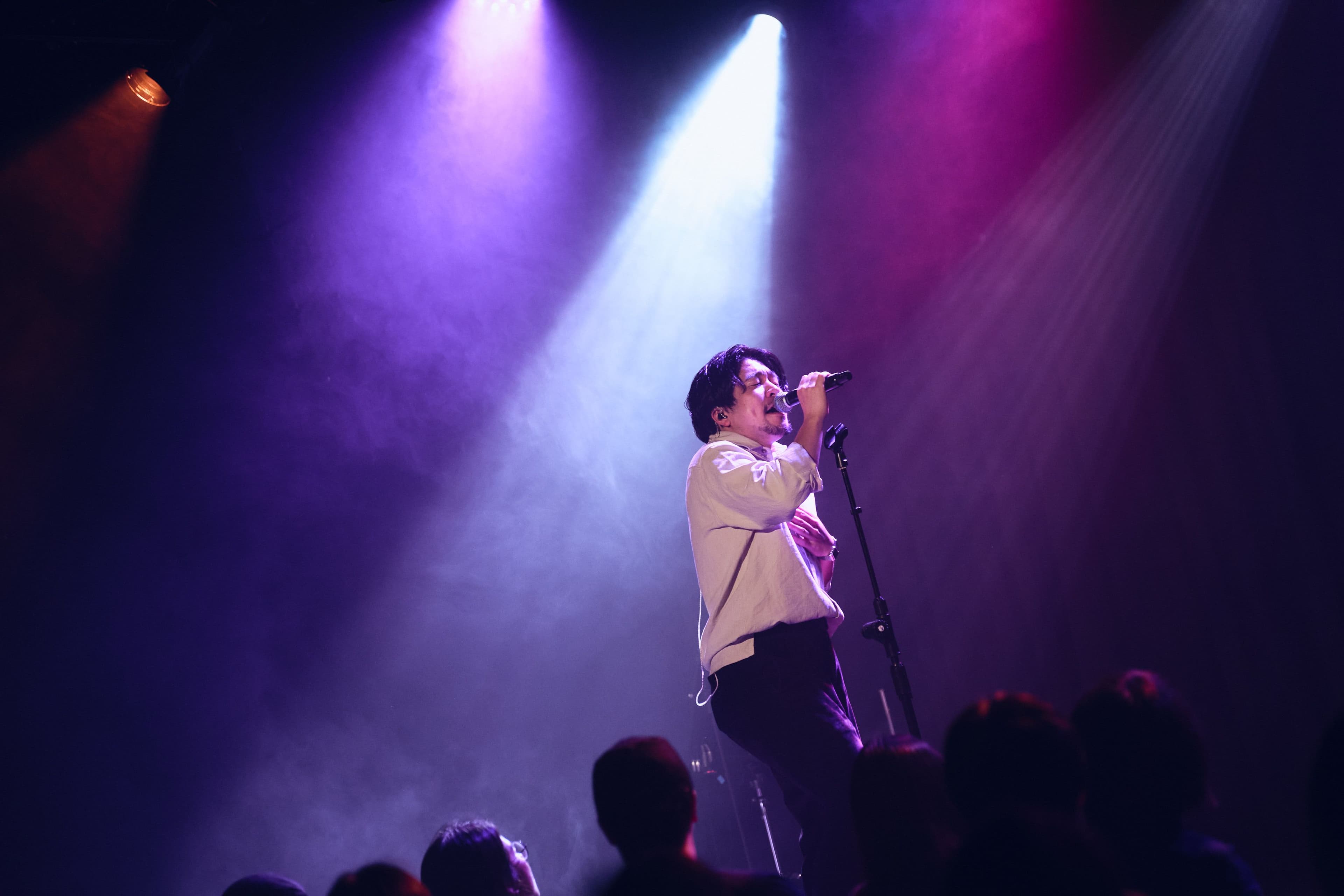
Michael Kaneko enters with a more extroverted energy. Taking over the vocals, he is not just a singer but the ultimate maestro of the atmosphere.
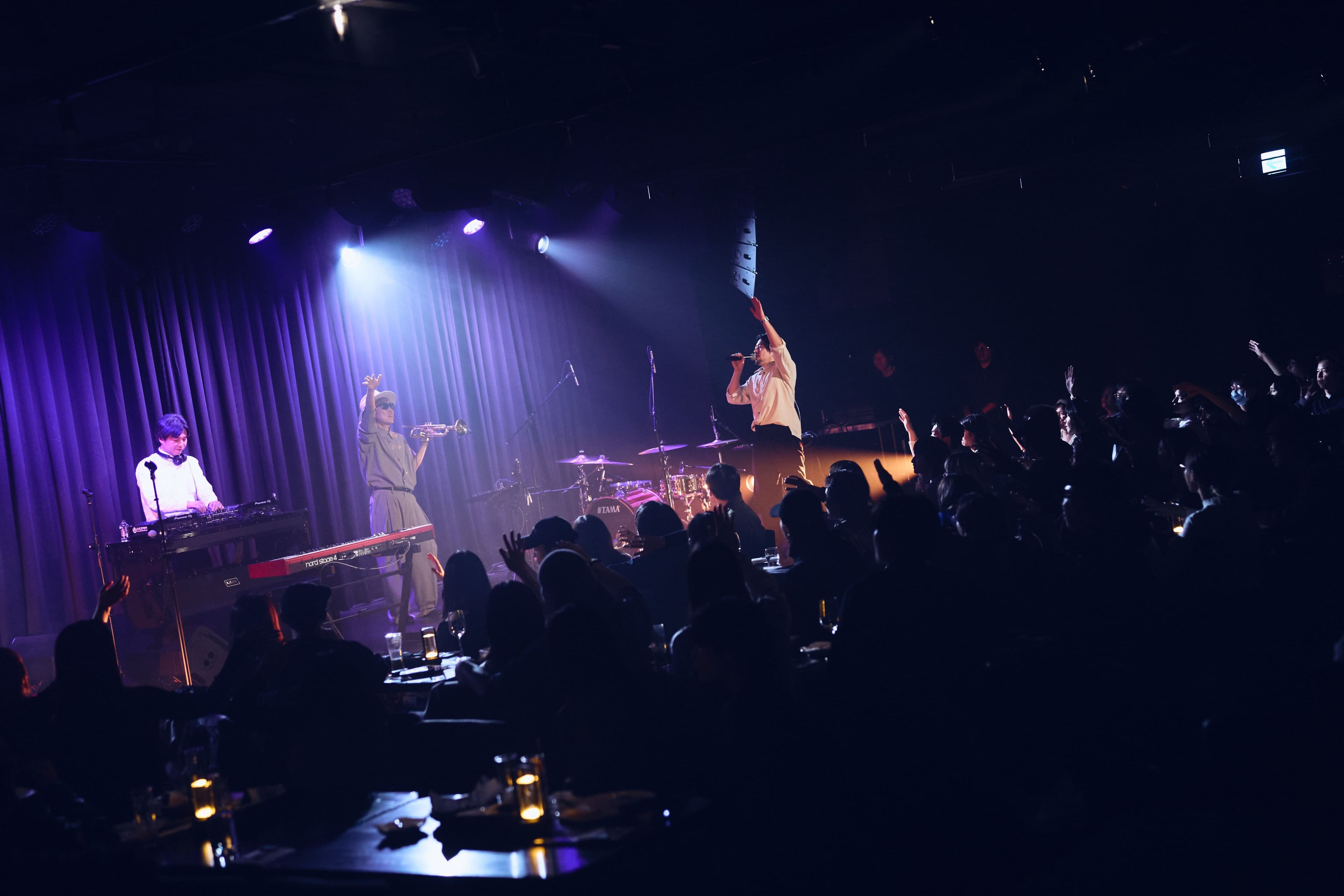
Shouting "I can’t hear you! (聽不見!!)" in fluent Mandarin, he instantly dissolves the barrier between the stage and the audience. "What’s great about Taiwanese fans is that your English is good, and your Japanese is great too! Hahaha!" Kaneko remarks with a sunny California accent, cranking up the heat in the room.
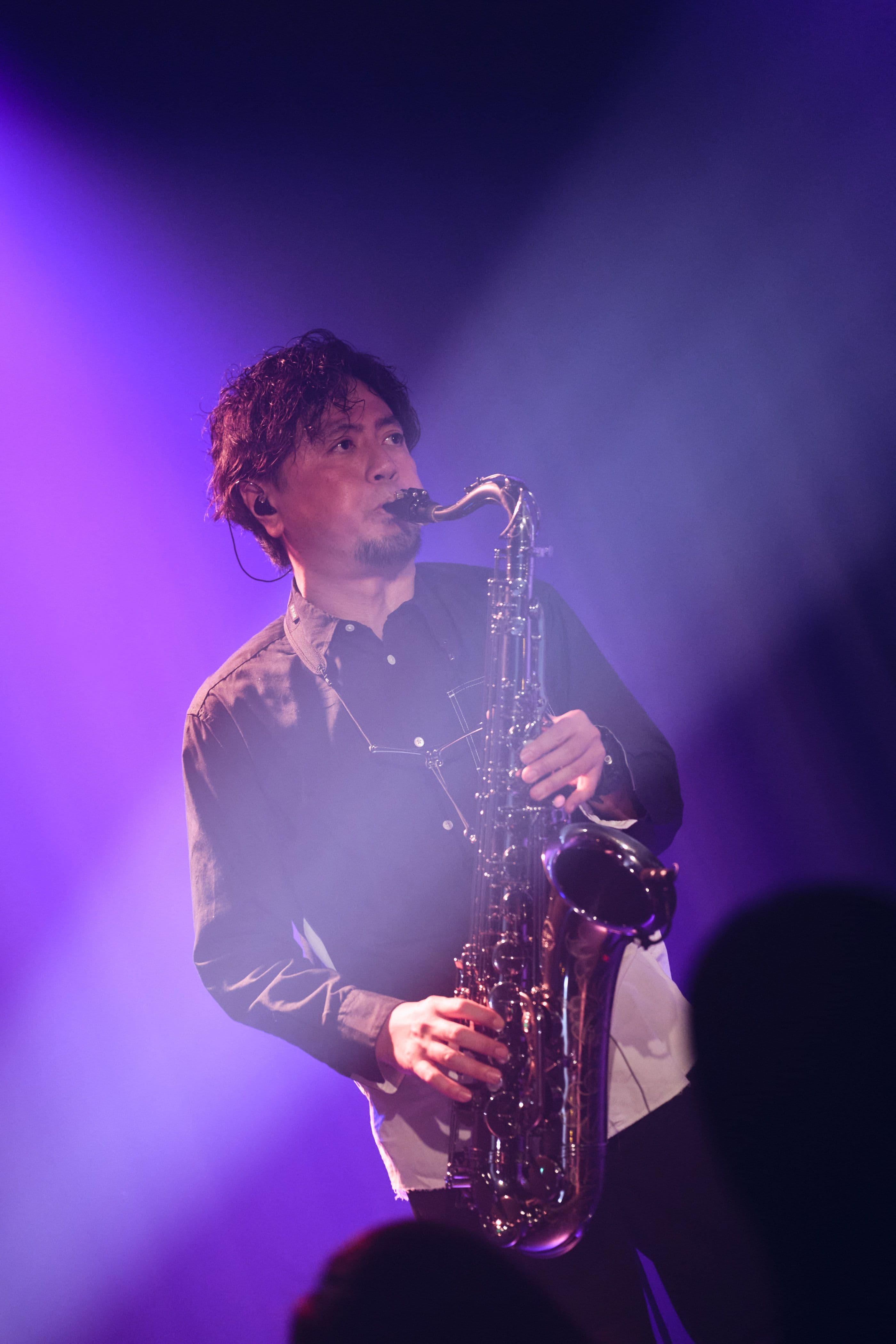
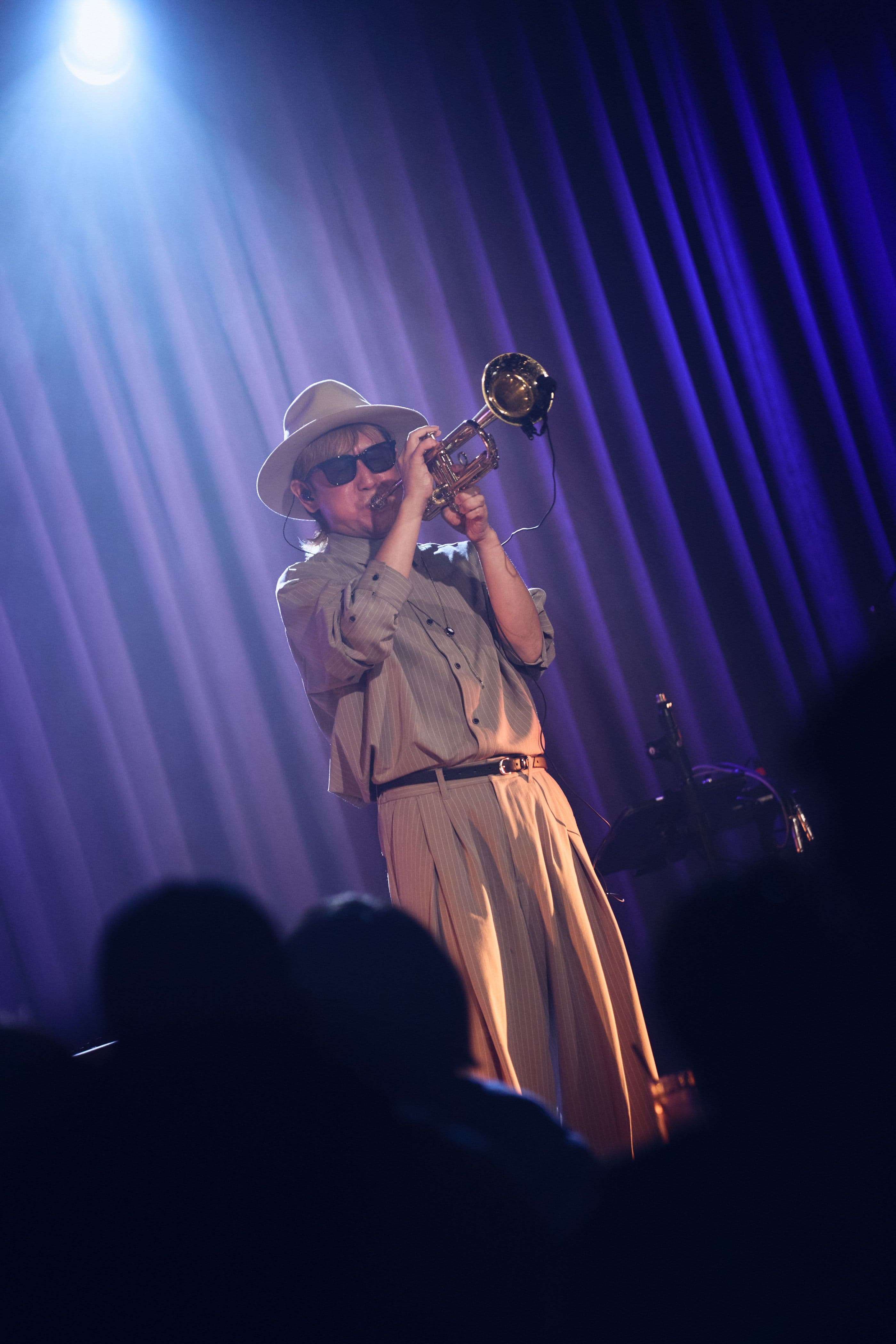
One by one, the musicians join: DAISUKE, clad in a black waistcoat with his saxophone and clarinet; and beside him, MAKOTO on trumpet, sporting a sharp suit and a bowler hat—a look reminiscent of Miles Davis. The brass sounds soar through the night sky, painting a contemporary documentary of urban life in the minds of the listeners.
Nishihara’s performance is not always the protagonist; instead, it acts like the soft-focus background of a film. As a composer, he depicts the everyday scenery of a city—walking through the bustling streets at night at a pace where you can observe every passerby. The mannequins in shop windows, the colors of the season, a succession of restaurants, the crisp air, and a dialogue with oneself. With headphones on, one wanders between thought and reality. Every collaborating musician, while possessing a distinct personality, serves that imagery with precision while showcasing their own virtuosity.
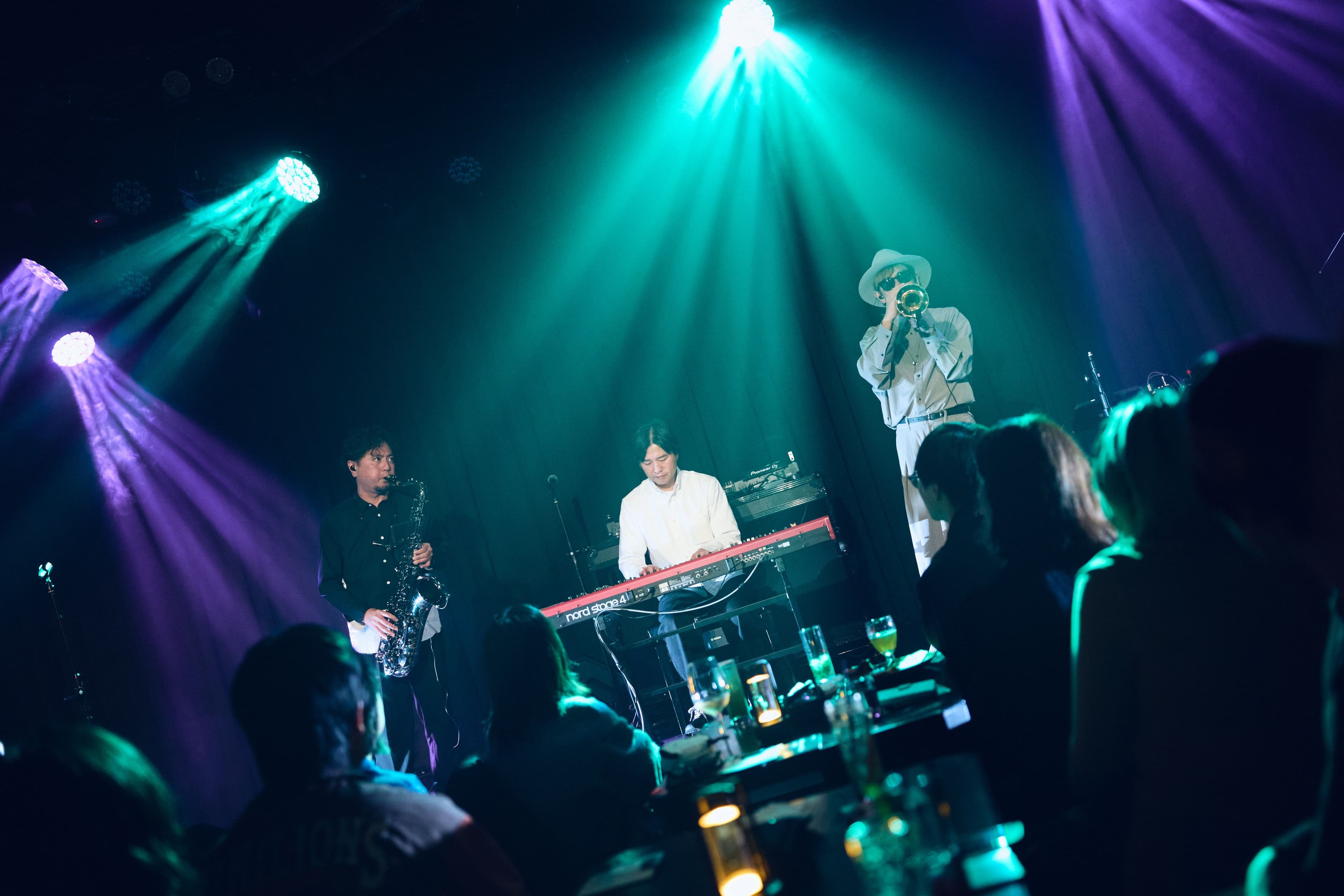
Beyond being a producer, composer, and pianist, Nishihara has been active in Tokyo as a DJ and music selector since 1996. Having curated soundtracks and DJ sets for Tokyo and Paris Fashion Weeks as well as GINZA SIX, his ability to craft such sophisticated music is no accident.
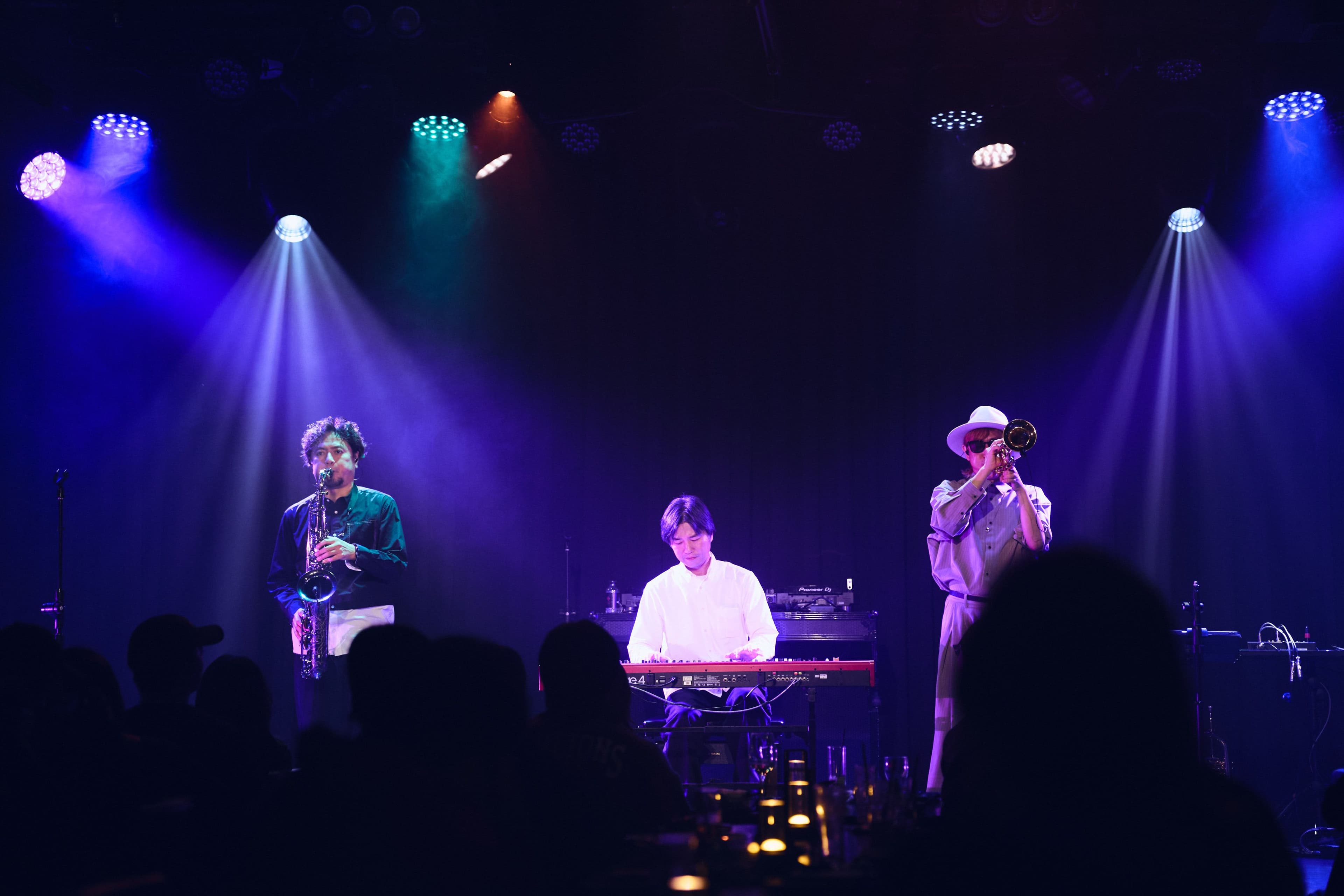
Songs like "All these years" and "My Leaving" flow seamlessly into one another. "RR" brings a more intense tempo, driven by background glitch sounds that push the atmosphere to a fever pitch. Drummer Ken Takahashi, from the noise-rock band Paris Death Hilton, delivers beats reminiscent of legendary drummers like John Bonham or Dave Grohl. Their common thread is using simple elements to present unique grooves for different songs. Interestingly, this wild style integrates perfectly into Nishihara’s refined music, infusing the live performance with immense energy.
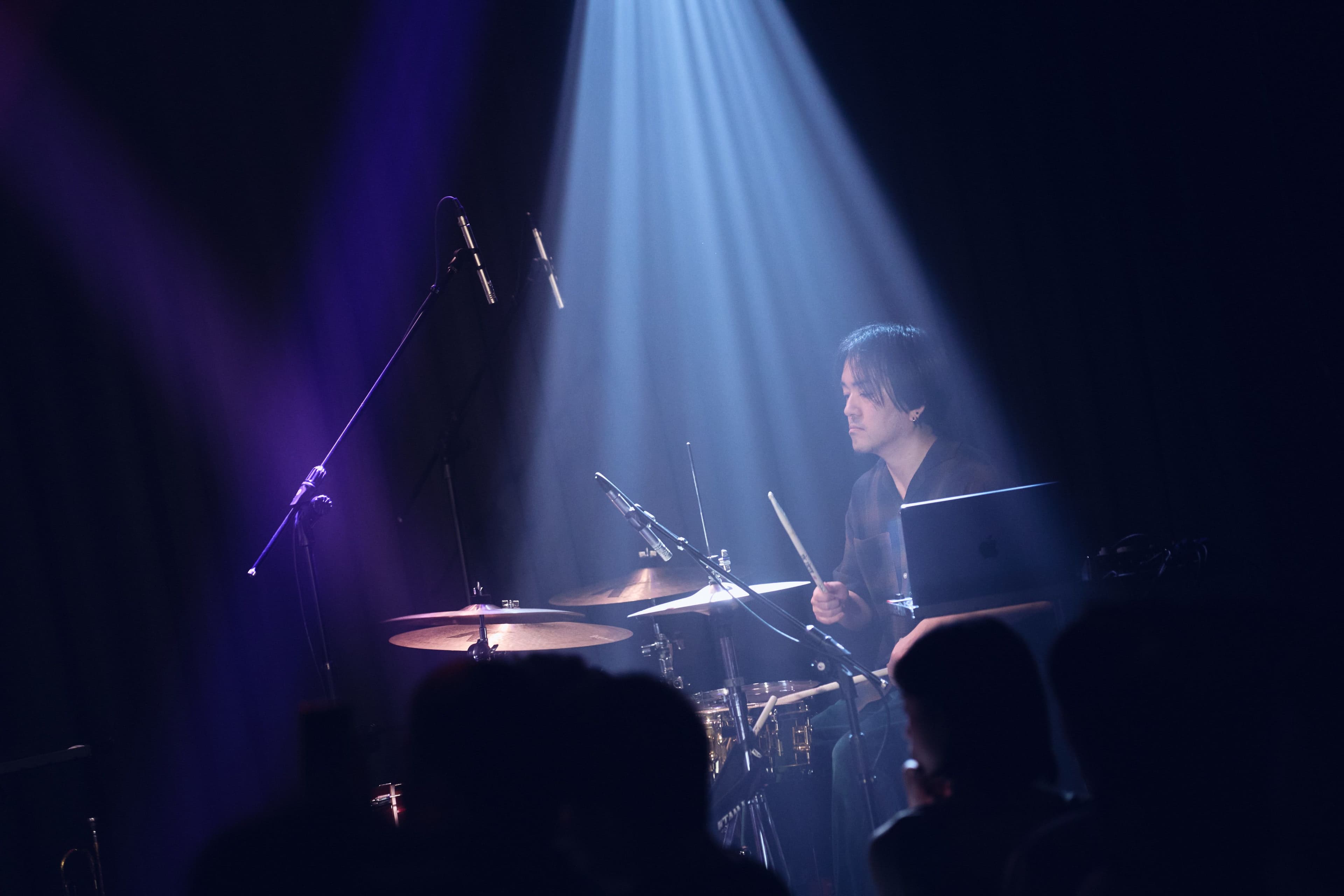
While many view Jazz as comfortable background music, others see it as the ultimate form of self-expression through improvisation—a history built by giants who constantly iterated on concepts.
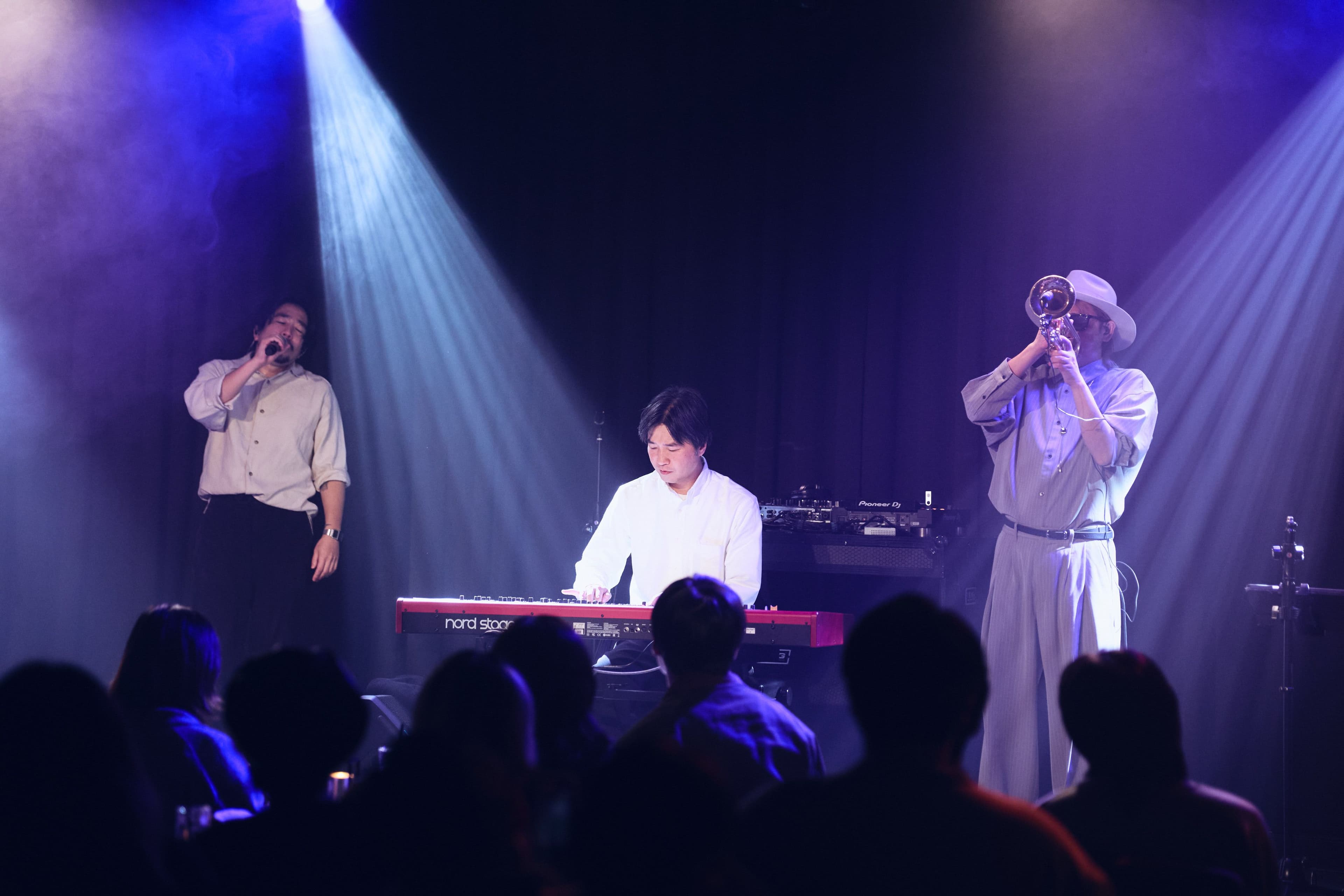
The brass duo, DAISUKE and MAKOTO, have been dedicated to creating "new jazz" since their days in JABBERLOOP. Their music has long been a favorite among connoisseurs, maintaining the improvisational essence of jazz while blending into various genres to provide profound experiences in different settings.
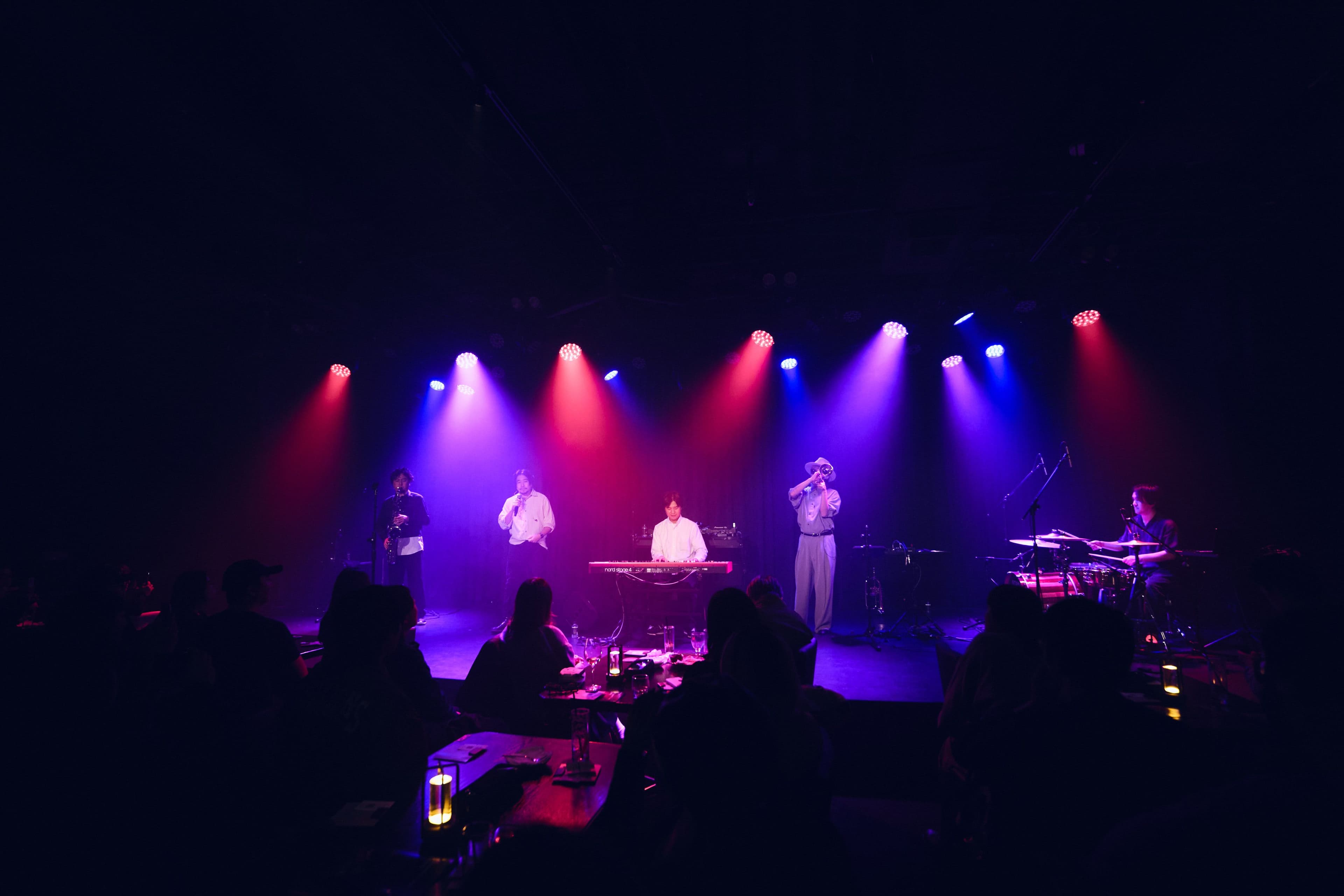
DAISUKE’s saxophone tone is rich and powerful, while MAKOTO’s trumpet can sound like a playful child or a murmuring teenager. Their ensemble feels like early John Coltrane meets Miles Davis. Their paths cross and overlap with such seamless intuition that their improvisational sections often feel like fully written compositions.
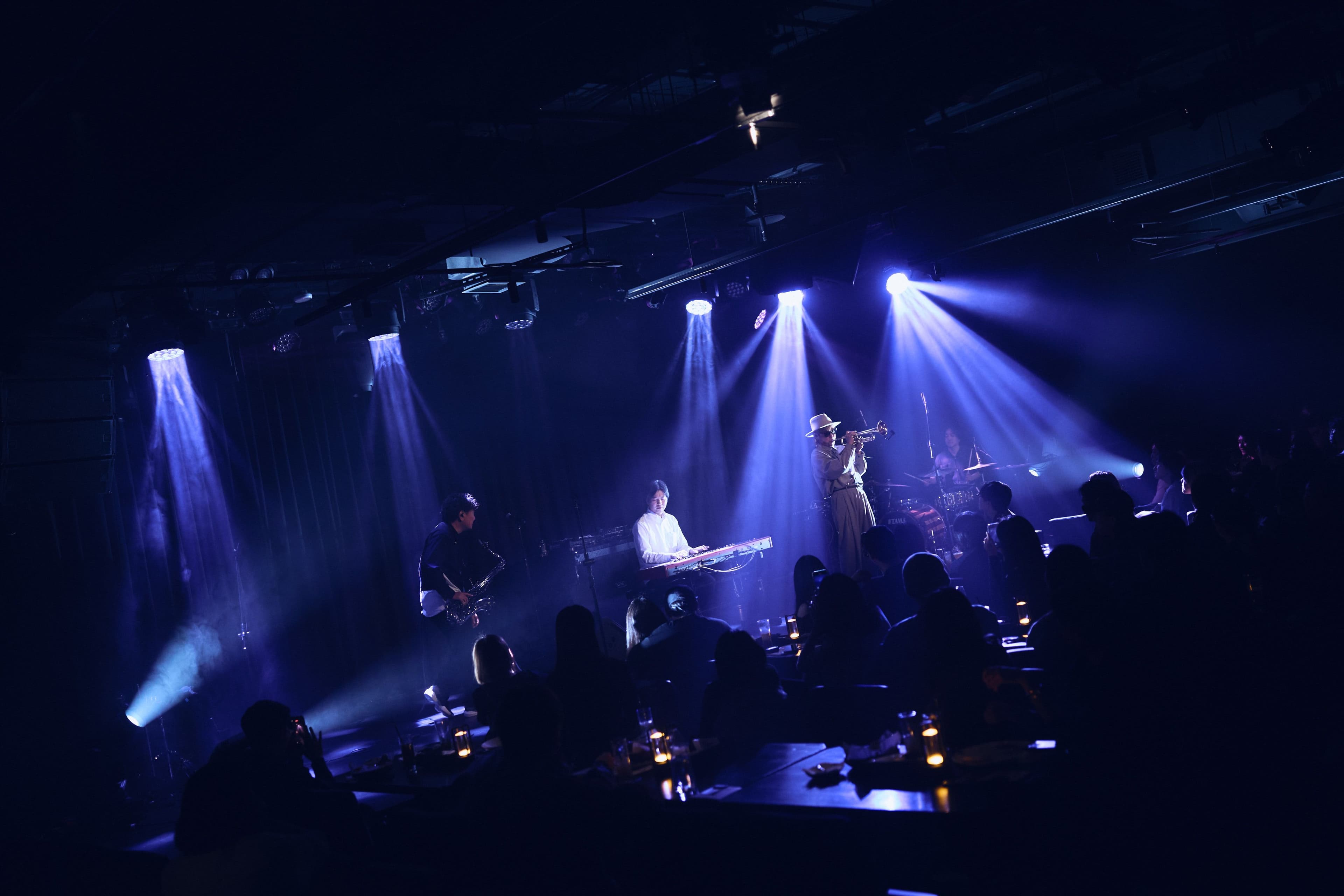
A highlight of the "OJAZ" Taipei tour was Nishihara’s surprise DJ set. By weaving a DJ performance into the dimension of live instruments, he provided a soothing interlude for the audience, showcasing his multifaceted talent.
Growing up in California, Michael Kaneko’s music is deeply influenced by Western sounds. His charming vocals, carrying the DNA of 70s AOR and Soul, blend with Nishihara’s music to complete the urban portrait. The extroverted energy at times feels like a 90s hip-hop party. Michael’s MC style evokes the classic flavor of the Sugarhill Gang or A Tribe Called Quest.
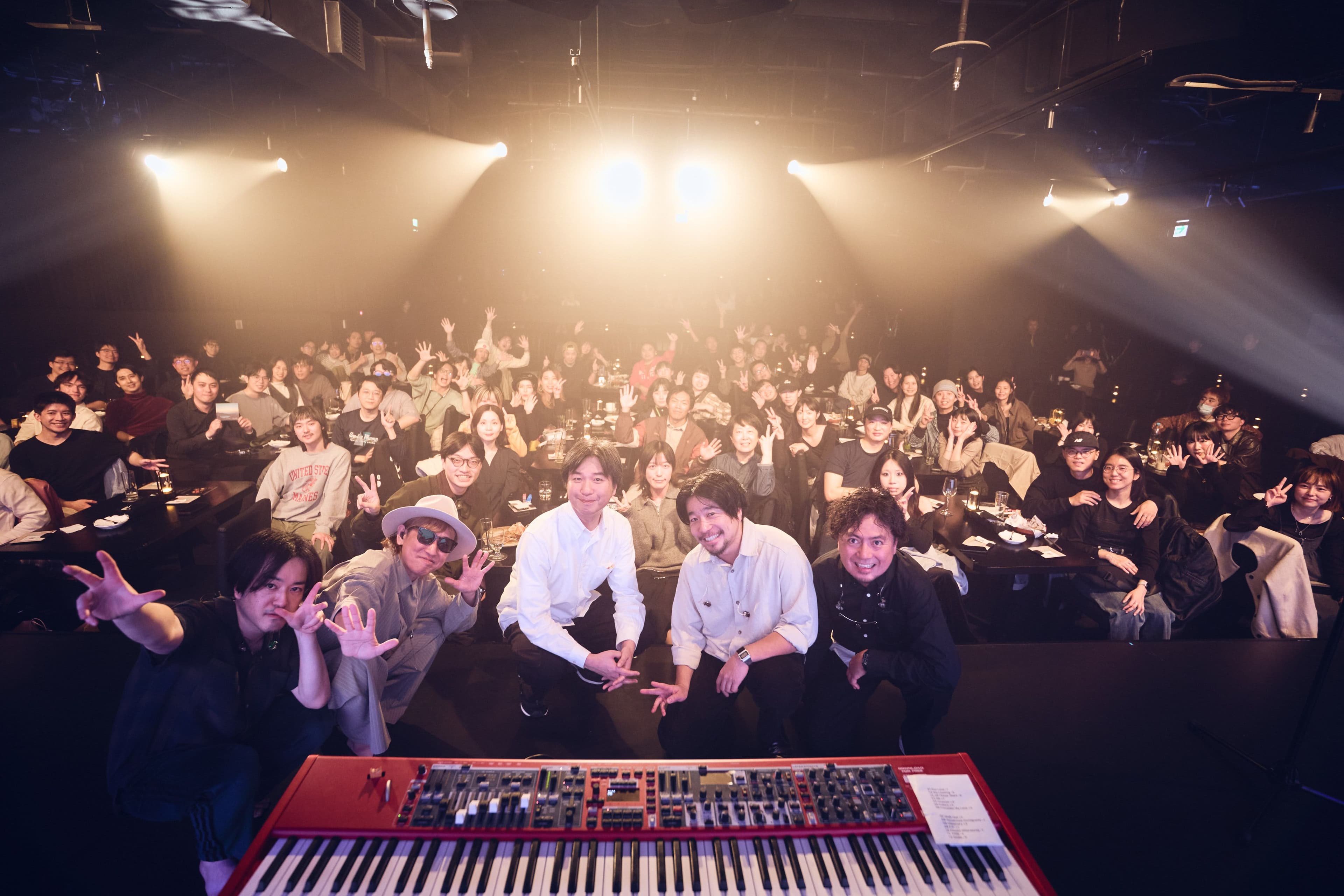
The band version of "Elastic afterwords" departs from the light touch of the studio recording, sounding more like a blend of Trip-hop legends Portishead and Japanese post-rock band Mono. Towards the end, Ken Takahashi builds the emotion until the crash cymbals are pushed to their limit, creating a wall of sound that washes over the crowd like a wave. It was an unexpected, powerful facet of Nishihara’s music—a testament to the charm of live performance, where creative surprises and reinterpretations take center stage.
To close the show, Michael Kaneko reinterprets "Say You Love Me" (originally featuring Tamala). The relaxed, funky rhythm gently brings the audience back to reality. The beauty of this performance lay not in a quest for the sublime or the bombastic, but in a meticulously balanced series of small, well-designed surprises.
Article Author
