




When the show began, Chikuzen Sato had yet to appear on stage.
The opening song, “Moonlight,” was performed by the opening act Neighborhood Complain.
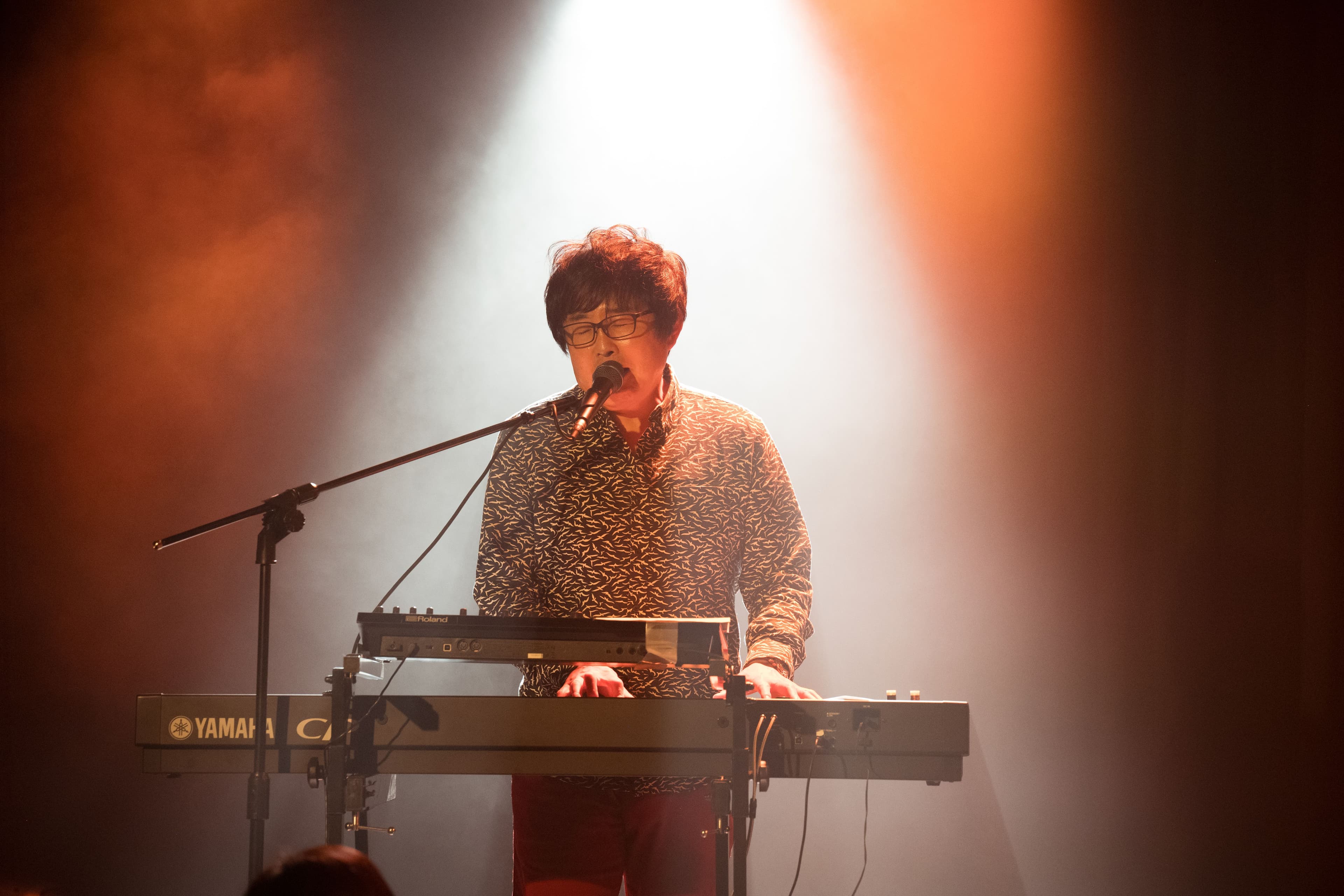
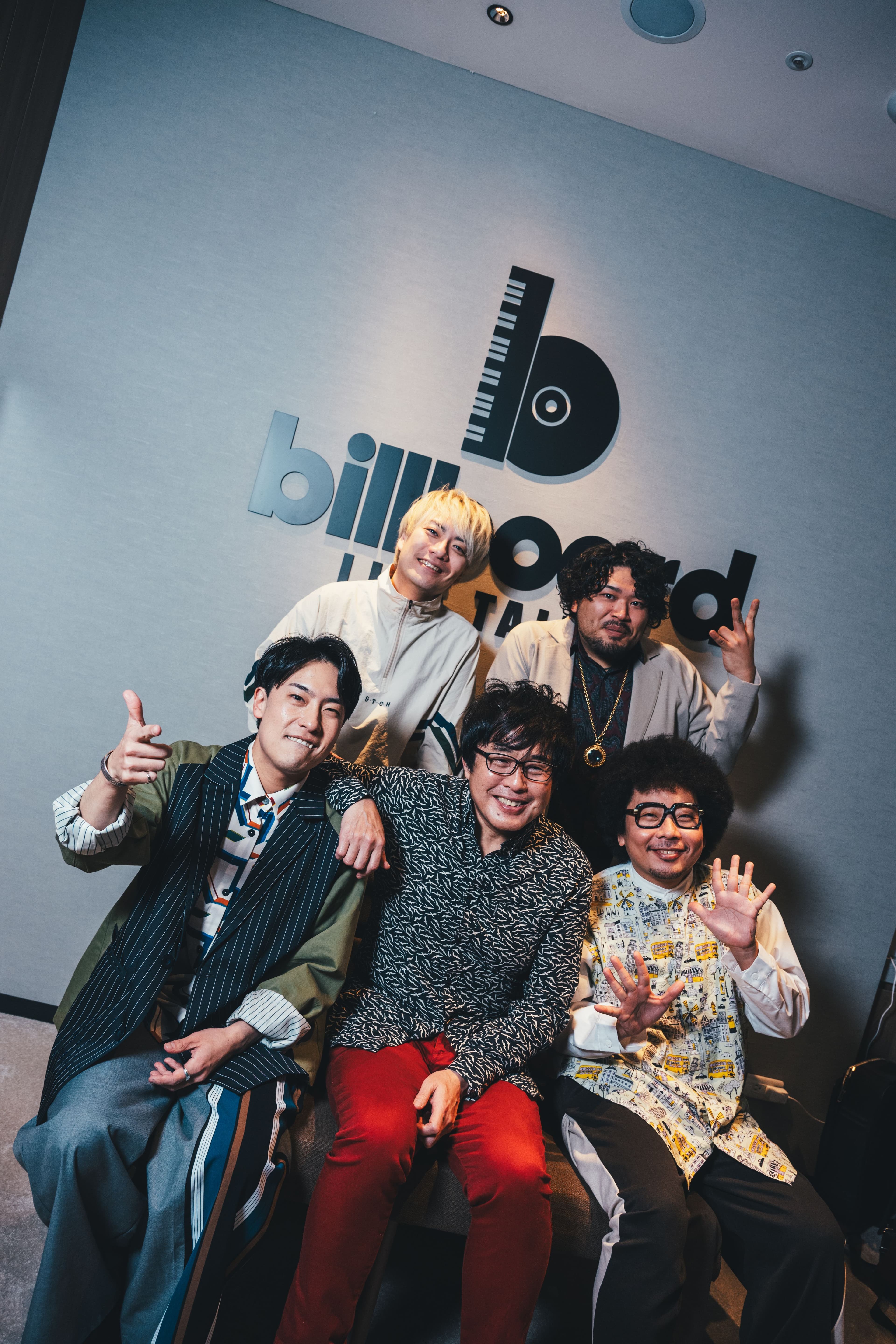
Hailing from Osaka, the band immediately caught the eye with their strong sense of style. Layered outfits and distinctive accessories gave each member a fashionable edge, while their street-inspired look paired seamlessly with a sound rooted in City Pop and Neo Soul—an aesthetic that reflects a uniquely Japanese cultural sensibility.
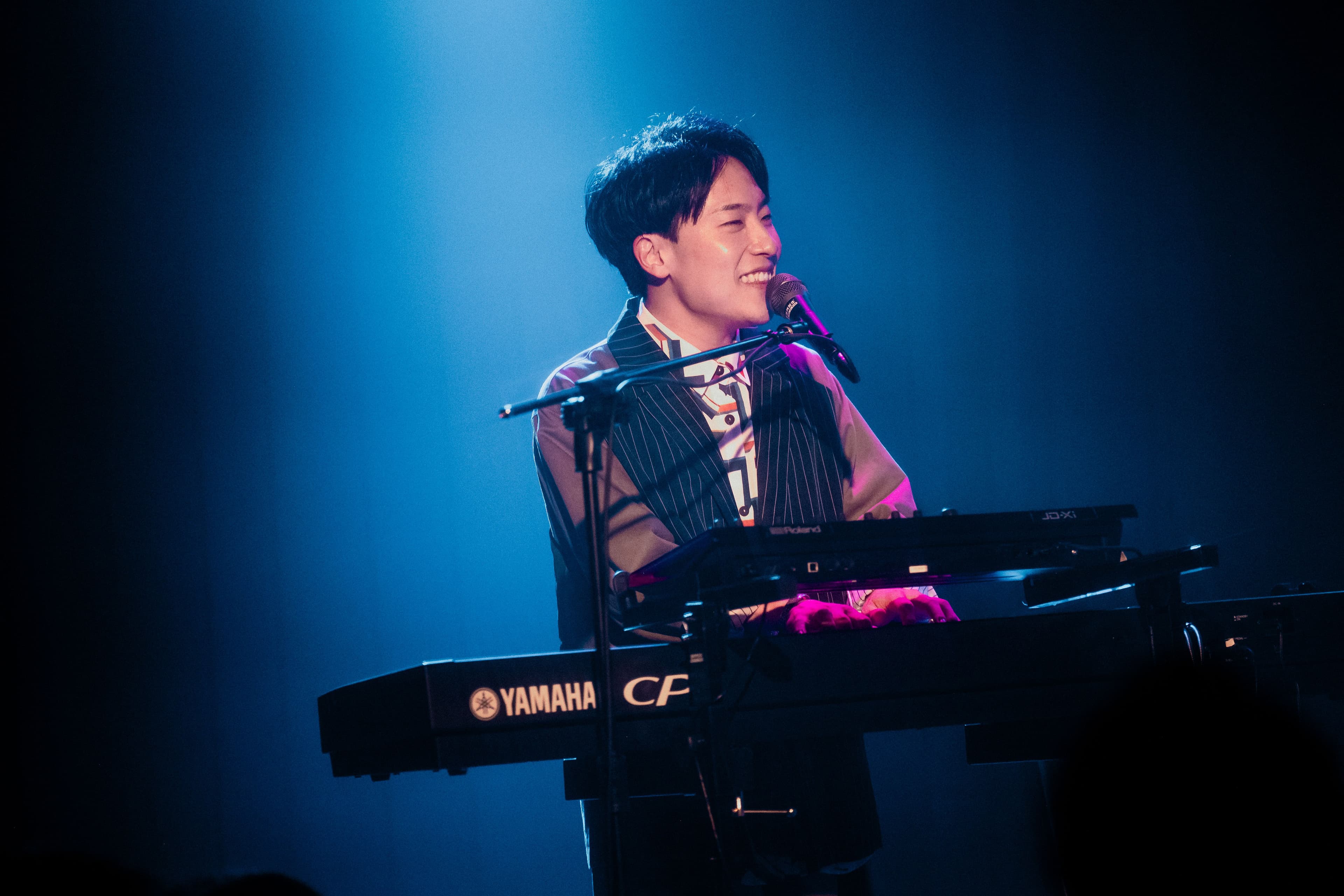
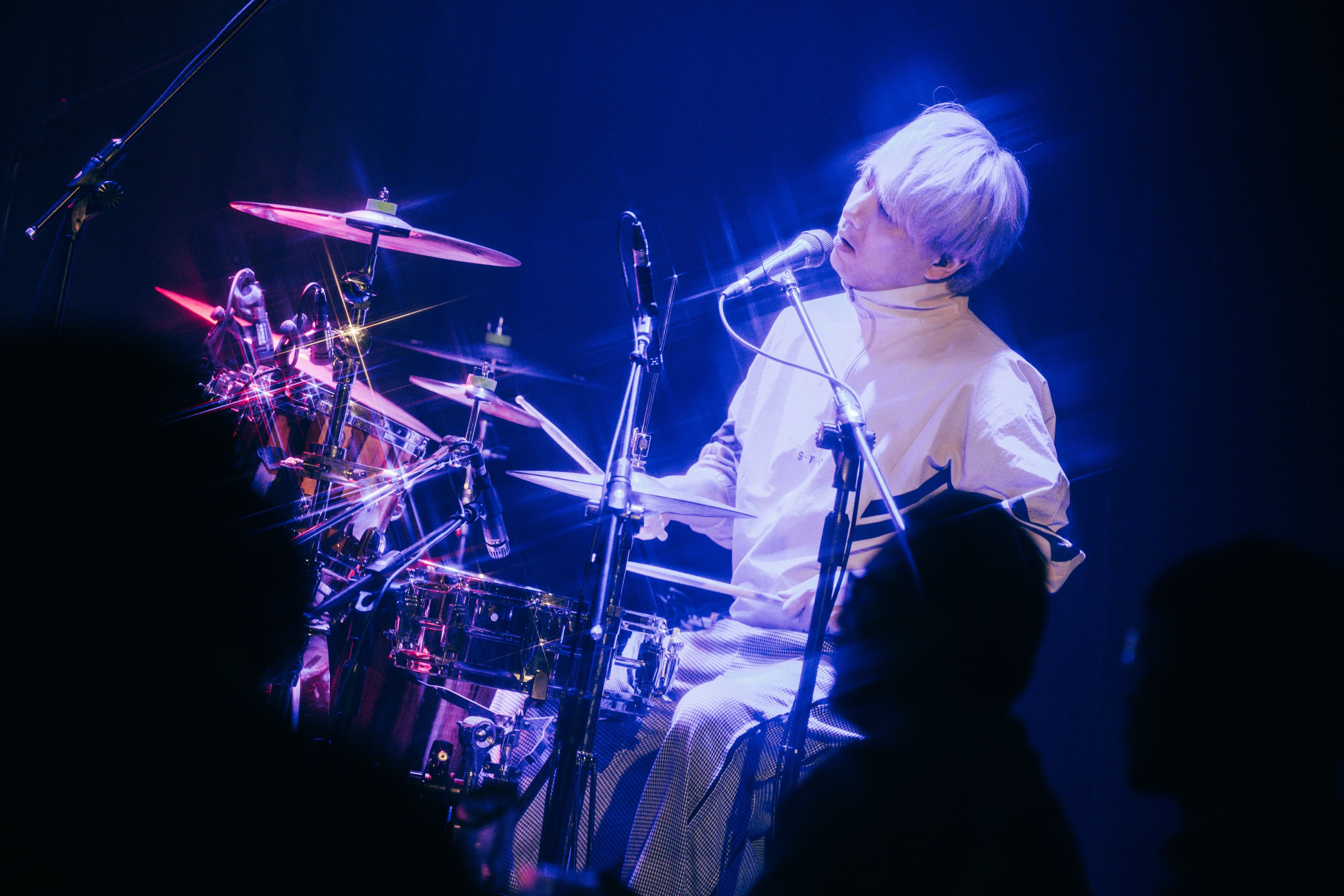
The set opened with vocalist and keyboardist Oto Kimura taking the lead. His powerful voice carried explosive energy while maintaining precise dynamic control. Guitarist Gotti filled the spaces between the beats with tasteful accents, while bassist Kash anchored the groove with smooth, fluid lines that balanced restraint and individuality. Drummer Taka’s driving performance added an extra layer of urgency and intensity, infusing the band’s modern rhythmic foundation with a restless energy unique to youth.
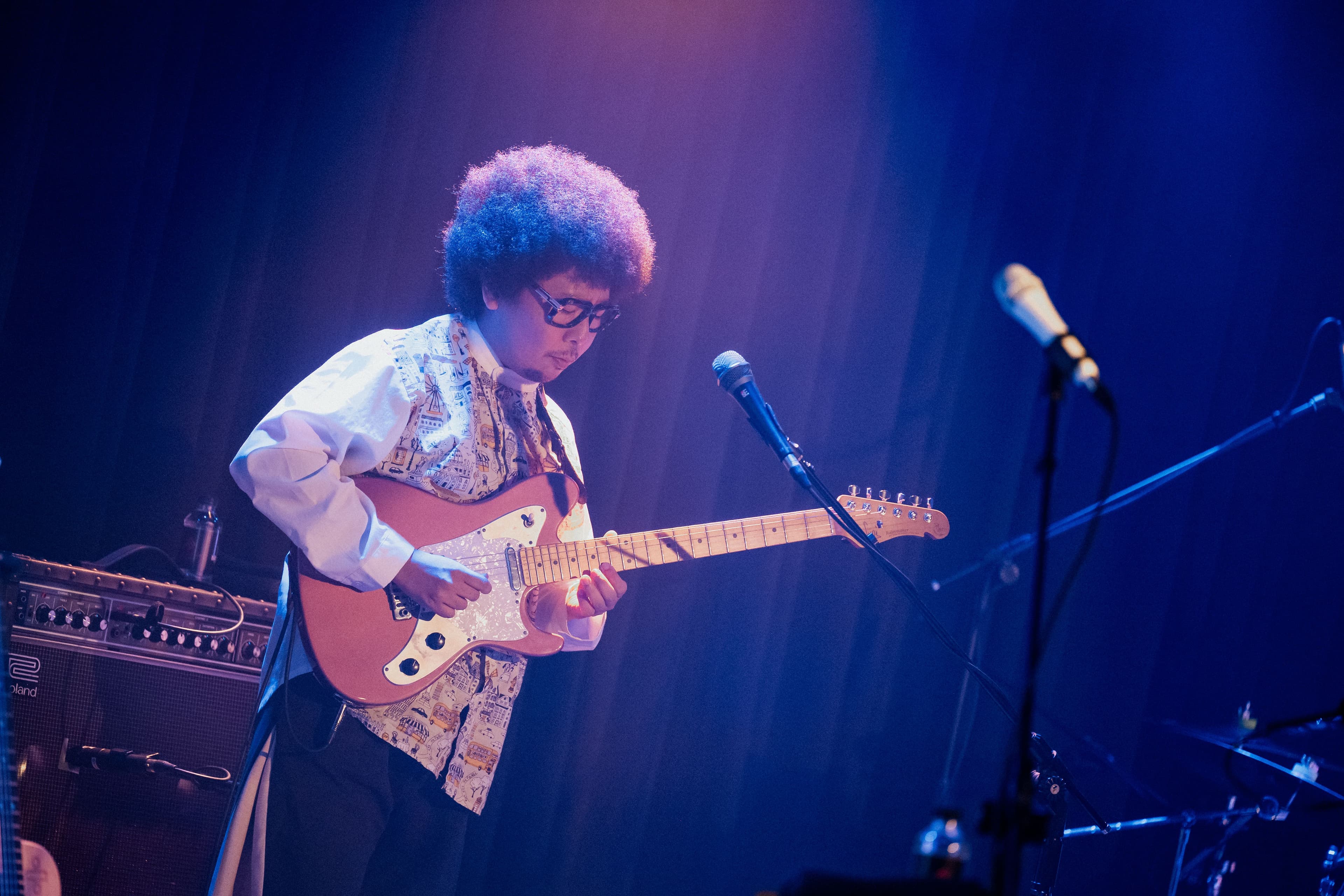
From their initial stage shyness to their growing confidence in self-expression, the band’s performance captured the most captivating phase of artistic growth.

During “Night Drivin’,” Gotti and Kash stepped off the stage and into the audience, trading solos among the crowd. Gotti’s guitar tone recalled the first time one hears Nile Rodgers of Chic—transparent, glass-like clean tones that feel light yet deeply grooving even at high-speed funk tempos. Kash, meanwhile, played a Fender Jazz Bass identical to the model favored by jazz legend Jaco Pastorius.
Another highlight was the band’s exceptional vocal harmonies. Whenever they sang background vocals together, the sound evoked memories of the legendary Bee Gees—rich, polished, and remarkably tight.
Building on this momentum, “Kiss & You” brought a contemporary Black music sensibility reminiscent of Anderson .Paak, blended with colorful jazz harmonies. The song featured intentional use of space and breaks, allowing the guitar lines to leap freely within the arrangement.
Suddenly, the groove shifted—from laid-back to swing—transporting the audience from a modern band setting straight into the world of a 1930s jazz big band. Kimura’s scatting during his solo intertwined with drummer Taka’s improvisation, the two mirroring and responding to one another as the tension rose to its peak.
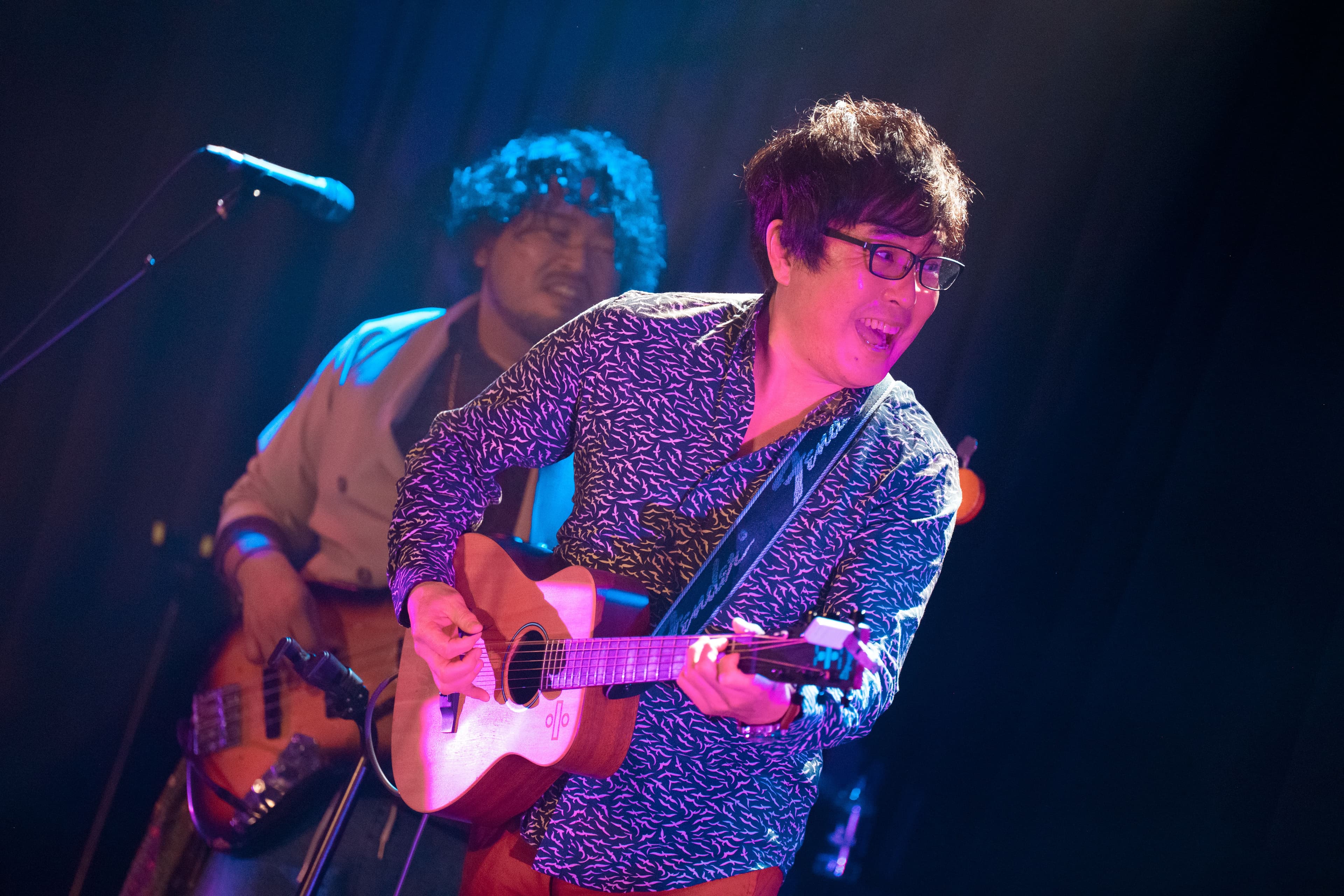
By this point, the room was fully warmed up. Cheers erupted as Chikuzen Sato slowly made his way onto the stage.
The first song he chose was “Change the World,” the 1996 classic by British blues icon Eric Clapton. Best known through Clapton’s live collaboration with R&B singer Babyface, the song remains a symbol of the seamless fusion between contemporary blues and pop—and a testament to Clapton’s lasting influence in Japan.
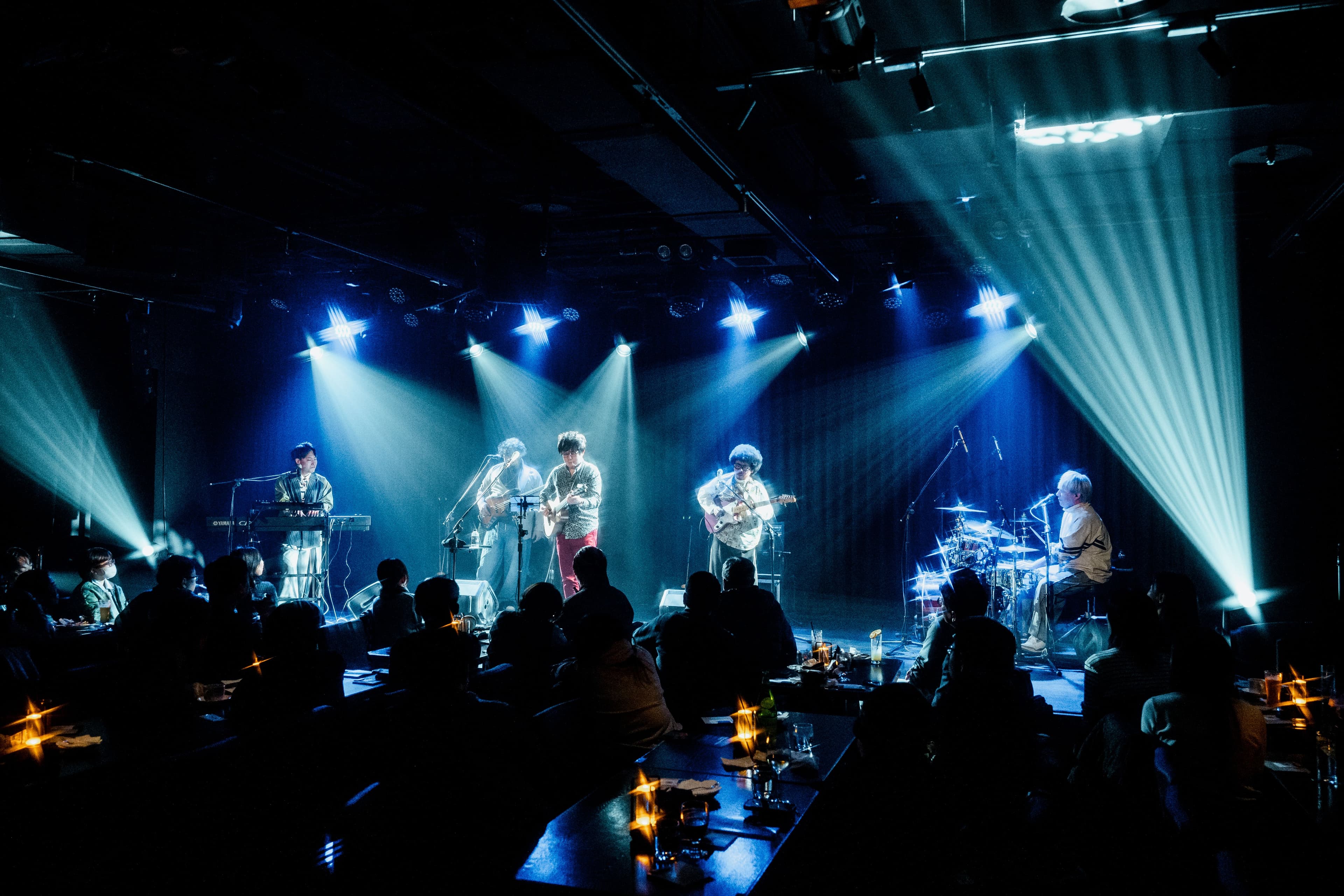
Next came “What’cha Gonna Do for Me,” another AOR classic originally released in 1981 by the “Queen of Funk” herself, Chaka Khan, featuring an unforgettable chorus.
Much like Chaka Khan’s transition from Rufus to her solo career, or Eric Clapton’s evolution beyond Cream, Chikuzen Sato’s journey mirrors that same trajectory—from establishing his foundation in a band to achieving wide acclaim as a solo artist. Chaka Khan to Rufus, Clapton to Cream, and Sato to SING LIKE TALKING—these parallels were subtly reflected in the evening’s song selections.
For both songs, Sato performed duets with Oto Kimura, mentoring the younger musician while adding new layers to the arrangements. Watching a new generation reinterpret classic music alongside artists who once defined an era created a striking scene. Young voices brought fresh energy to timeless songs, while the classics themselves carried the responsibility of being passed down.
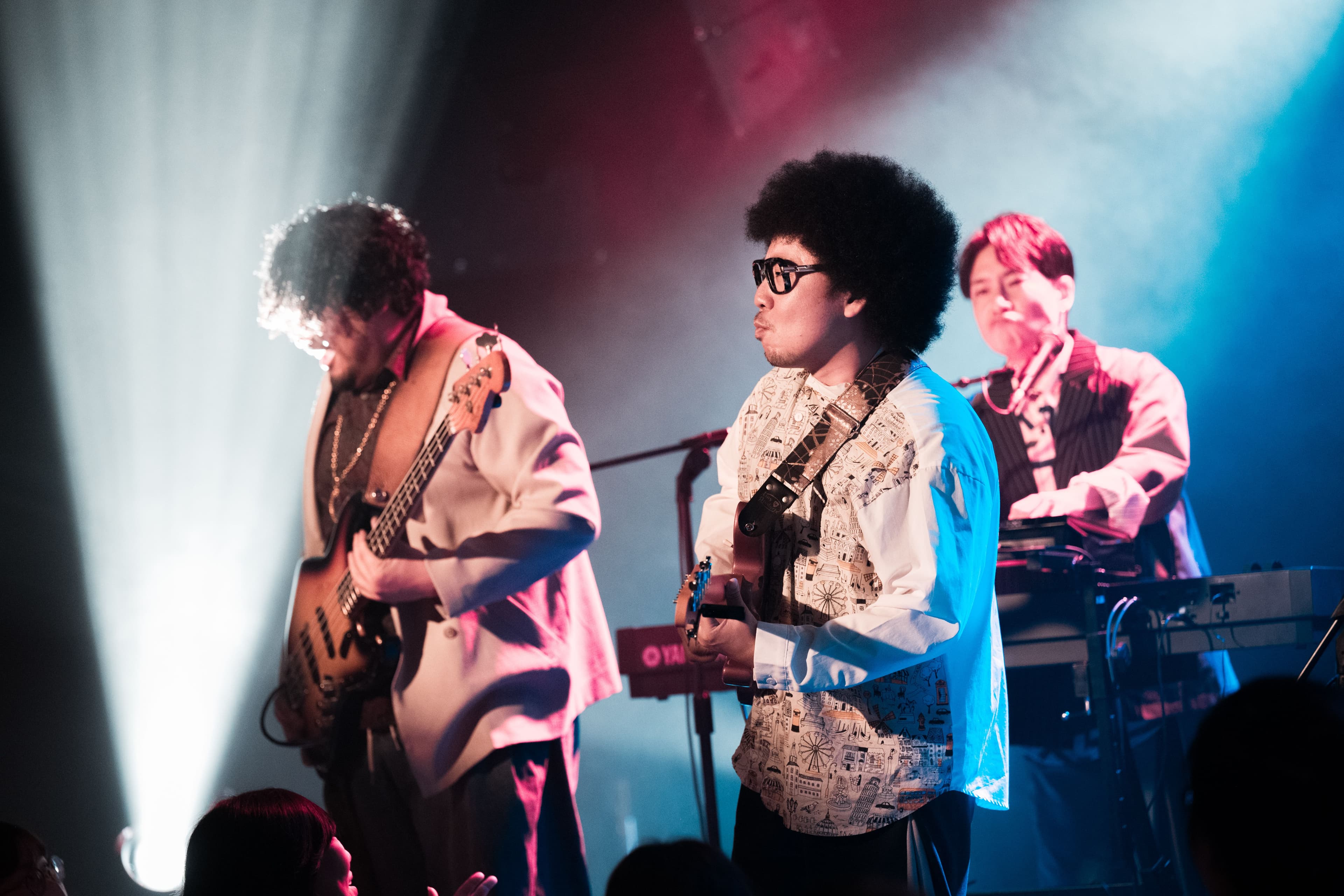
Sato greeted the audience in fluent English before charming the crowd with carefully pronounced Chinese:
“Thank you all, this is my first time in Taiwan!”
Reading from phonetic notes, he delivered each phrase earnestly—revealing an impressive talent for languages. Kimura followed with a greeting in Chinese as well, only to be playfully teased by Sato:
“Your Chinese sounds better than your Japanese!”
Laughter filled the room.
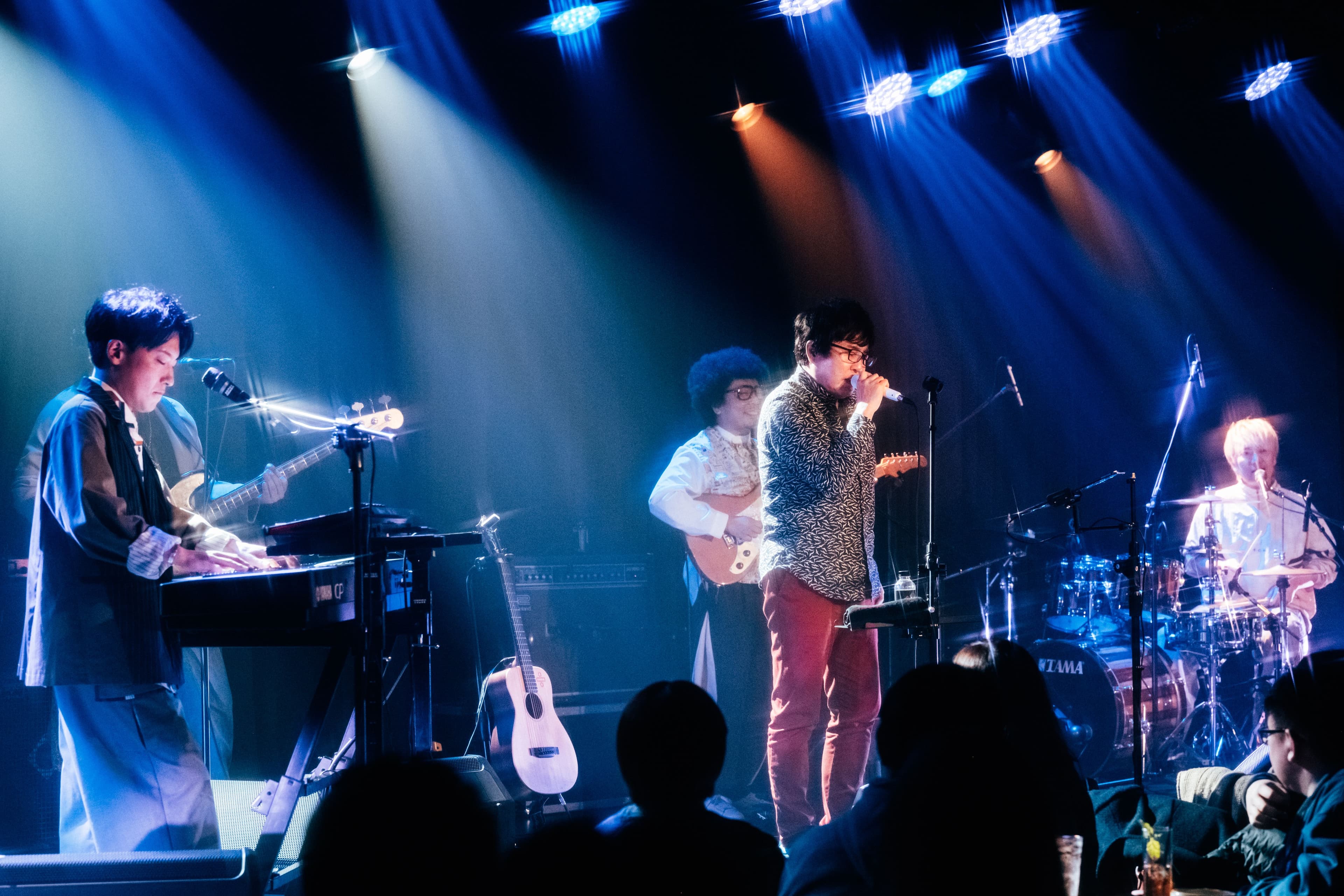
“Blue,” a solo track released by Sato in 2005, opened with psychedelic and winding chord progressions. His bright, soaring high notes shone through, while Neighborhood Complain’s harmonies elevated the song beyond its studio version, lending it a Bee Gees–like richness.
Sato then introduced his new project, Joppa Leigh, and performed “Sing in the Dark.” The song shed the familiar colors of City Pop, AOR, and Soul in favor of a more contemporary sound—one that blends the innocence of Elton John with the psychedelic pop sensibilities of Tame Impala.
A look through Joppa Leigh’s YouTube channel reveals covers ranging from Joji and Bruno Mars to glam rock icons like Roxy Music and Todd Rundgren. It’s clear that Sato continues to absorb new music while drawing inspiration from the past, redefining his artistic identity along the way. When singing in English, his voice carries a light, translucent quality—distinct from the grand, powerful presence he brings to Japanese lyrics.
As the intro to “Rise” began, smiles of recognition spread across the audience.
With simple lyrics celebrating love, the dance classic proved that accessibility is often the key to a song’s universal appeal. When the chorus hit, Sato’s resonant voice—combined with the band’s chemistry—allowed the song to be reinterpreted vividly for a modern audience.
“Just Once,” from Sato’s solo repertoire, hinted at the early blueprint of Joppa Leigh—music born from reflecting on his relationship with pop culture and redefining its possibilities.
For the encore, “Spirit of Love”—a song previously performed with Masayuki Suzuki and by SING LIKE TALKING—was presented in a stripped-down arrangement.
Sato sang while accompanying himself on piano, as Neighborhood Complain provided background vocals and handclaps in place of drums. After a full evening of music, the audience was invited to focus solely on the purity of the human voice.
Radiating brightness and positive energy reminiscent of bands like Journey, Mr. Big, and Van Halen, “Spirit of Love” reaffirmed the idea that the voice is the greatest instrument of all. As the performers joined together in harmony, the sheer vitality of their collective sound left the entire audience deeply moved.
Article Author
