



2025.12.07
The night unfolds like a velvet curtain slowly drawing to a close; at the appointed moment, the lights retreat, and even the city’s clamor seems to be shut firmly outside the door.
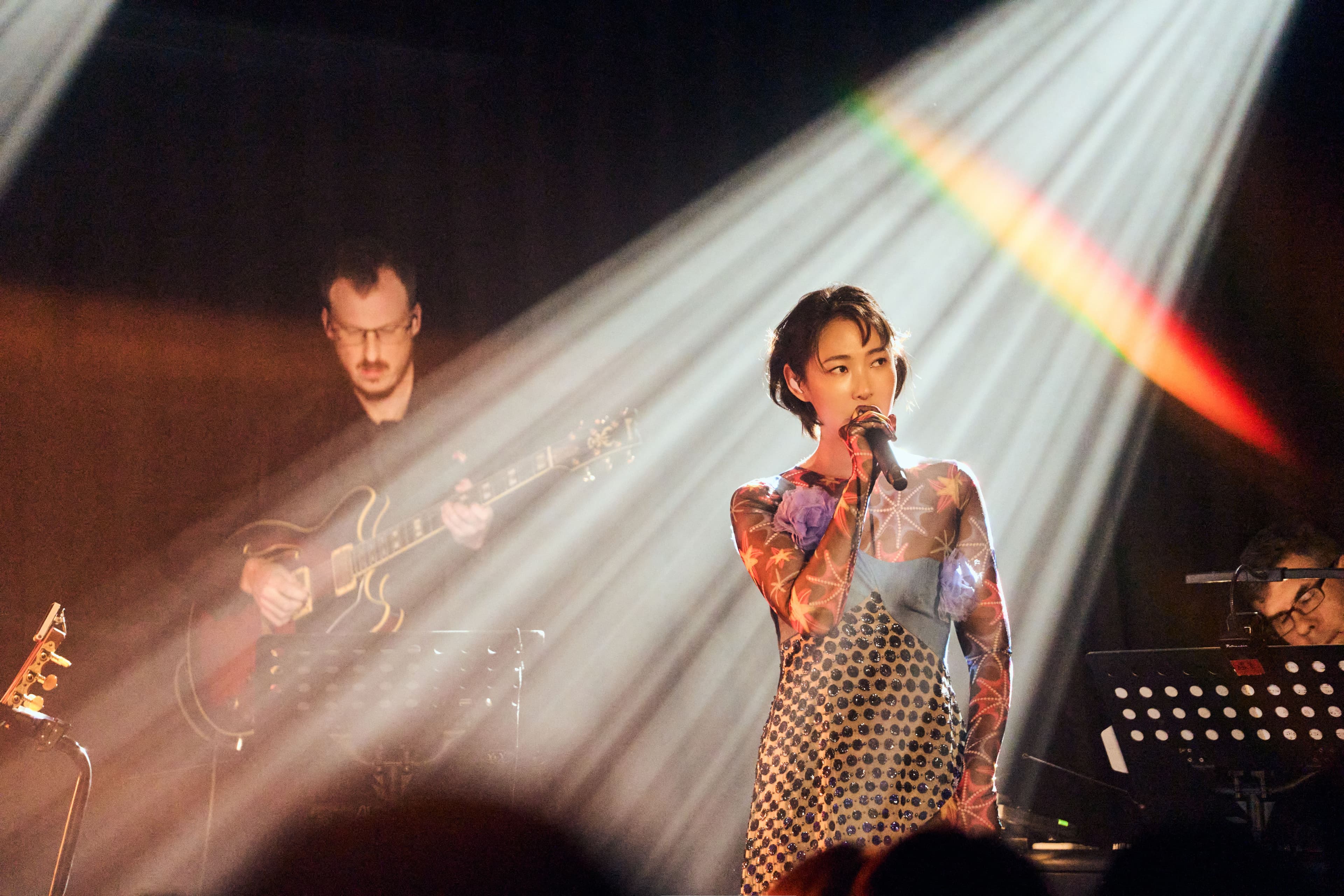
She steps onto the stage—sheer gloves tracing her fingers, overlaid with a blue-green sequined dress that shimmers delicately under the beam. The long purple feathered gloves trailing along her arms seem to carry with them the very tendrils of a dream.
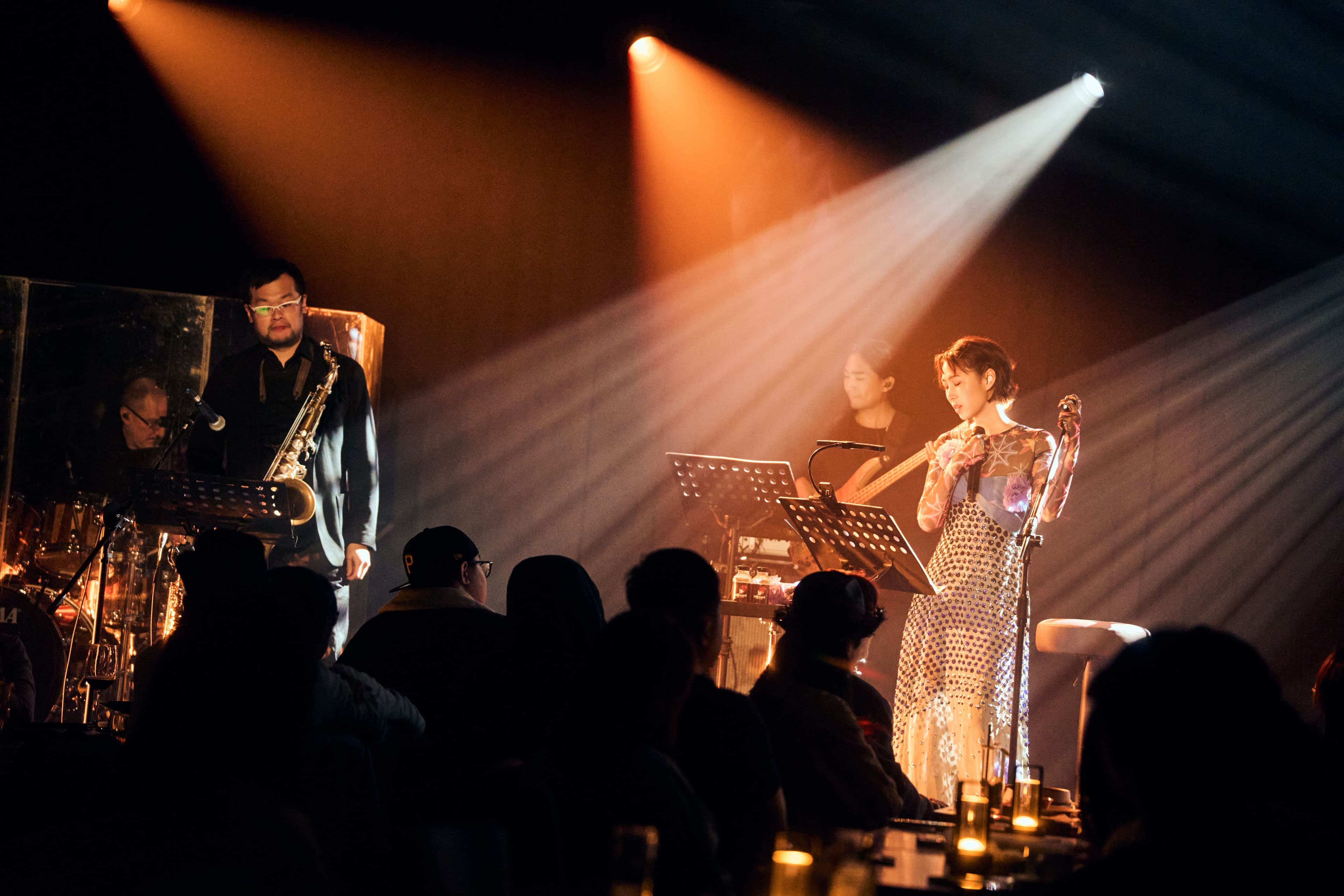
In that instant, the melody from the forest scene in Sleeping Beauty drifted into my mind, as if he were gently taking the audience by the hand and leading us into a story that begins with “once upon a time.”
Tonight’s protagonist is Joanna Wang. And throughout the performance runs a subtle yet unmistakably coherent thread—one that frames and guides everything through the idea of love: love as imagination, as encounter, as obsession, as regret, and as a lifelong study of being human.
If every live performance has its own way of opening a door, then tonight’s doorknob would be Paul Simon’s “St. Judy’s Comet.” A lullaby sung by a father to ease his child into sleep; the moment his voice entered the room, the air seemed to be dusted with a fine hypnotic powder, dimming everything with a soft, dreamlike haze.
He then carried us to the edge where fairy tales meet labyrinths. “Alice in Wonderland” felt like a love letter delivered to the wrong address—intended for reality, yet somehow delivered to the realm of dreams.
His way of singing love is never grand or declarative; it arrives like a private thought, a whisper curling at the corner of the lips.
But the song that turned love into something physical—tangible, almost tactile—was “Like Someone in Love,” the first standard of the night. It acted like a mirror, reflecting the version of ourselves who falls in love: suddenly sensitive, suddenly wanting to smile.
His voice wandered across the jazz rhythm as if navigating it in high heels with impossibly light steps. And that lightness, paradoxically, stirred something deeper—like the feeling of being illuminated by someone, so that even the act of walking seems to glow from within.
Love, of course, doesn’t stay weightless forever.
In the middle of the set, Joanna Wang pushes the atmosphere deeper, as if turning the dimmer down by another notch.
Gone is the pastel-tinted fantasy; in its place comes something closer to a craving—one you can’t quite shake off.
With a tone half-playful, half-resigned, she sings “Love Is A Sickness Full of Woes,” shaping love into an affliction of the body.
Its sweetness unravels you; its ache becomes an addiction.
A beautiful, irresistible kind of poison.
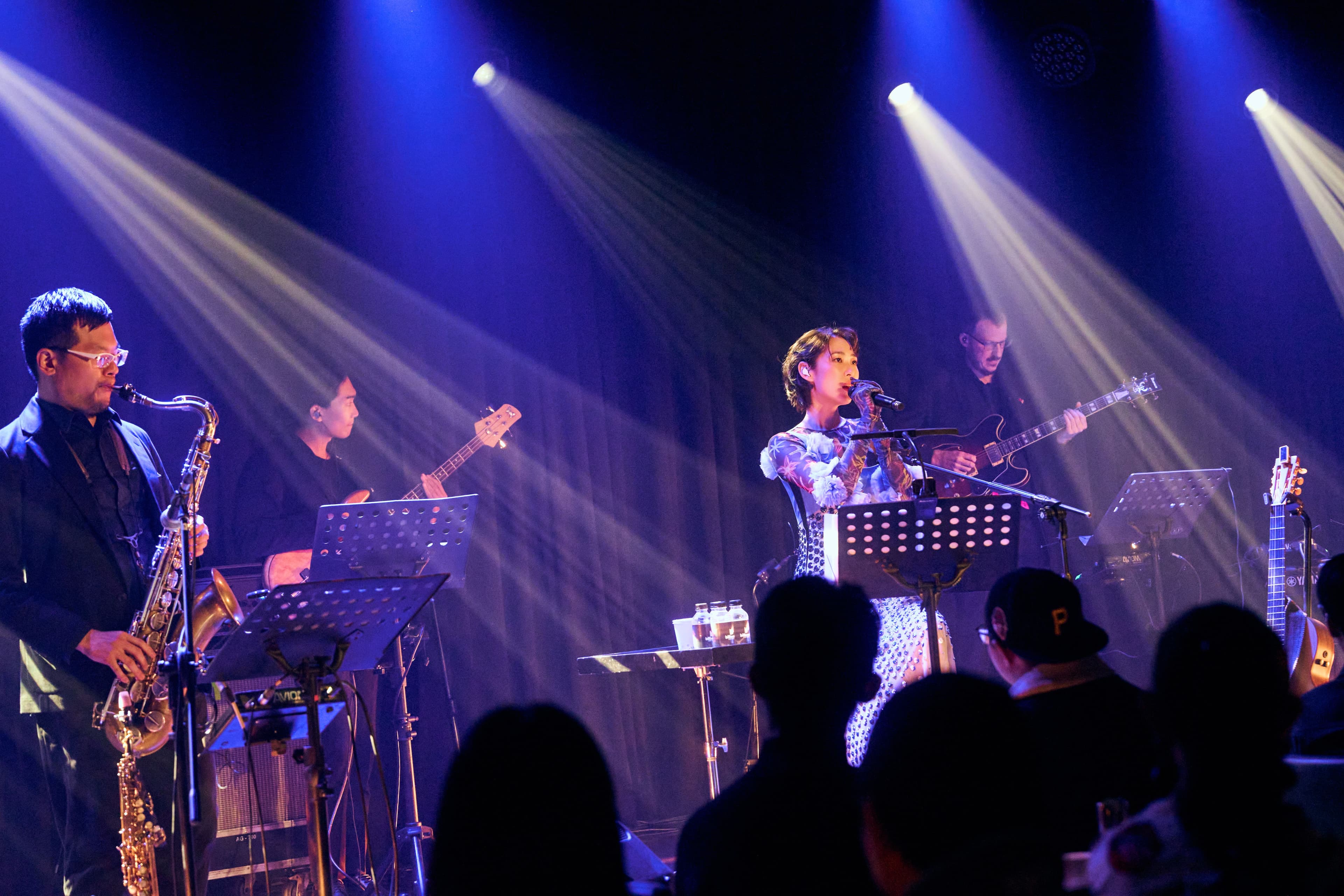
While we were still swaying in that bittersweet aftertaste, he laid a soft path across the night with “Moon River,” the iconic theme from Breakfast at Tiffany’s.
The rotating stage lights rippled like water, and his voice seemed washed in moonlight, turning clearer, almost translucent.
The song carries its own cinematic romance, of course—but the version Joanna Wang offered wasn’t about a distant dream.
It was about companionship, about walking alongside.
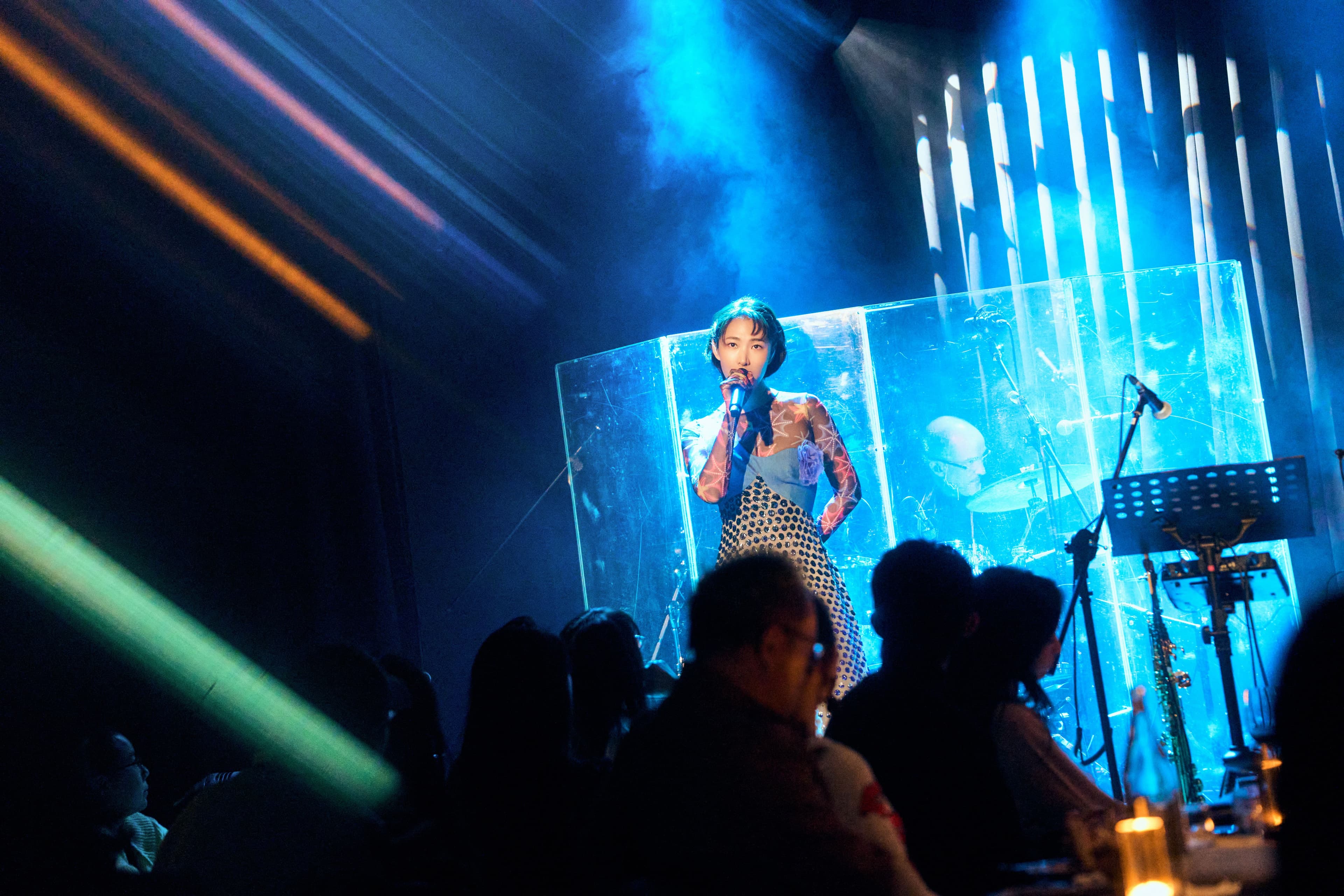
What lingers most is his ability to shift emotional states onstage—effortlessly.
One moment he’s whispering as if adrift in the clouds; the next, he can pull the rhythm into a playful curve.
When he leans into those emotions tinged with anticipation—almost as if about to break into a run—he folds every shade of feeling into his gestures: the expectancy, the shyness, the hesitation, and the flicker of courage.
In those moments, you don’t feel that he’s singing about love.
You feel that he’s living it.
The most dazzling moment of the night came with another jazz standard, “Orange Colored Sky.”
The song tells of love striking like an unexpected blow from above—arriving without warning, hitting you in an instant.
What follows is a rush of euphoria, as if you’ve been tossed into the air and everything before your eyes bursts into light.
The stage lighting echoed that sense of suddenness: layers of pink, yellow, and orange sweeping across the room, like soda bubbles bursting open in the dark.
It felt almost like a hymn—to the unreasonable beauty of love, to the way it arrives without logic, without permission, yet with astonishing force.
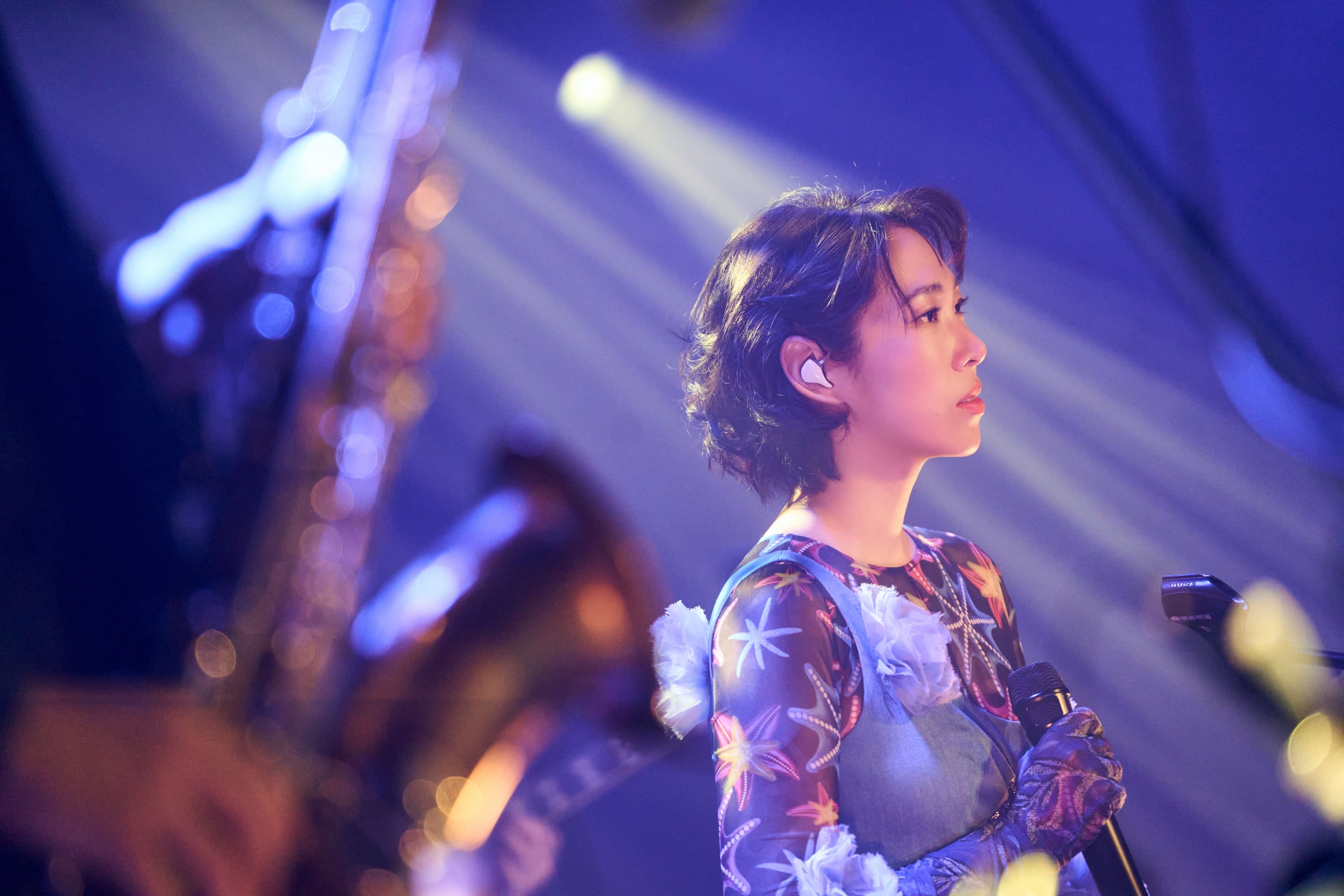
With “Nice Work If You Can Get It,” the room broke into another kind of climax.
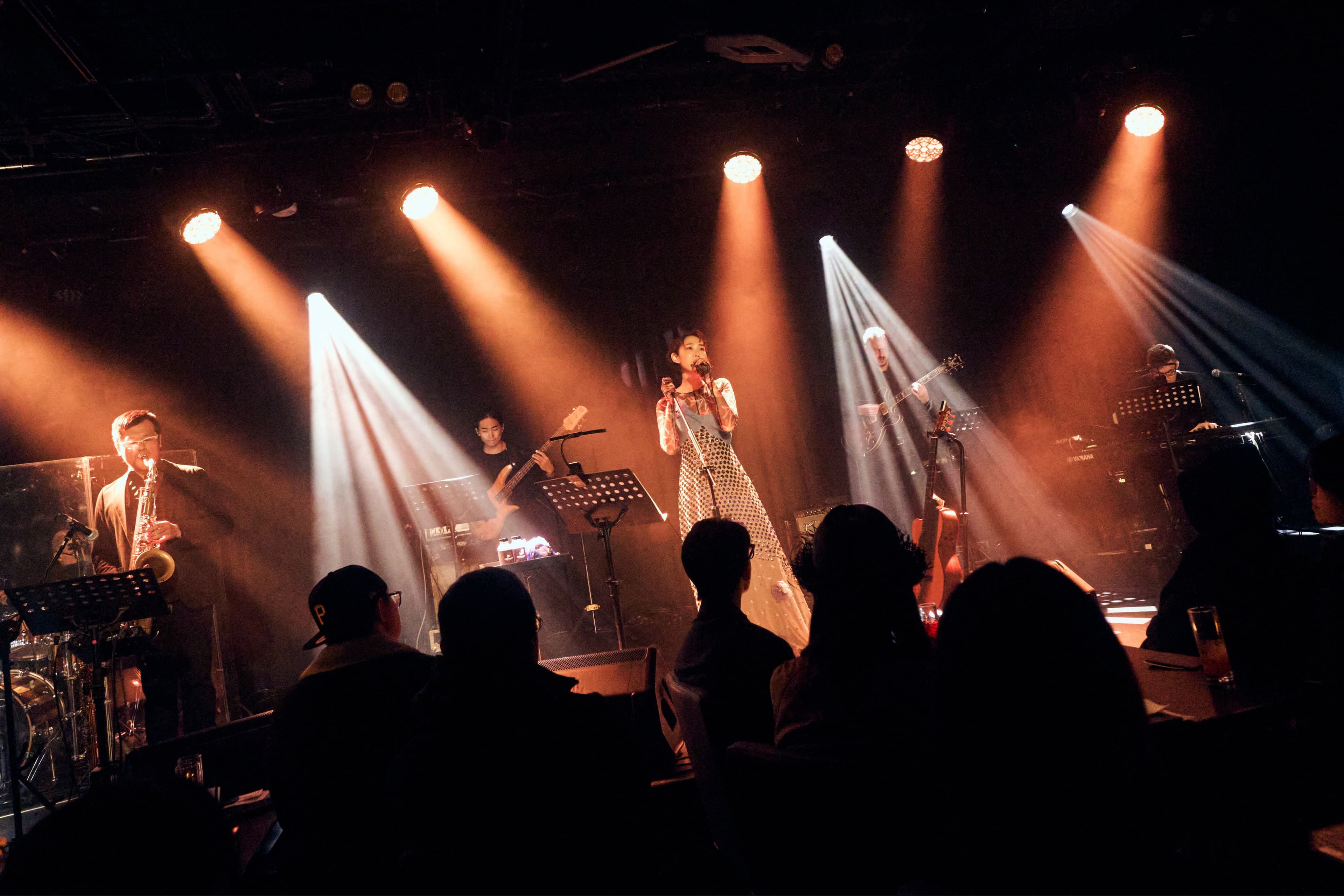
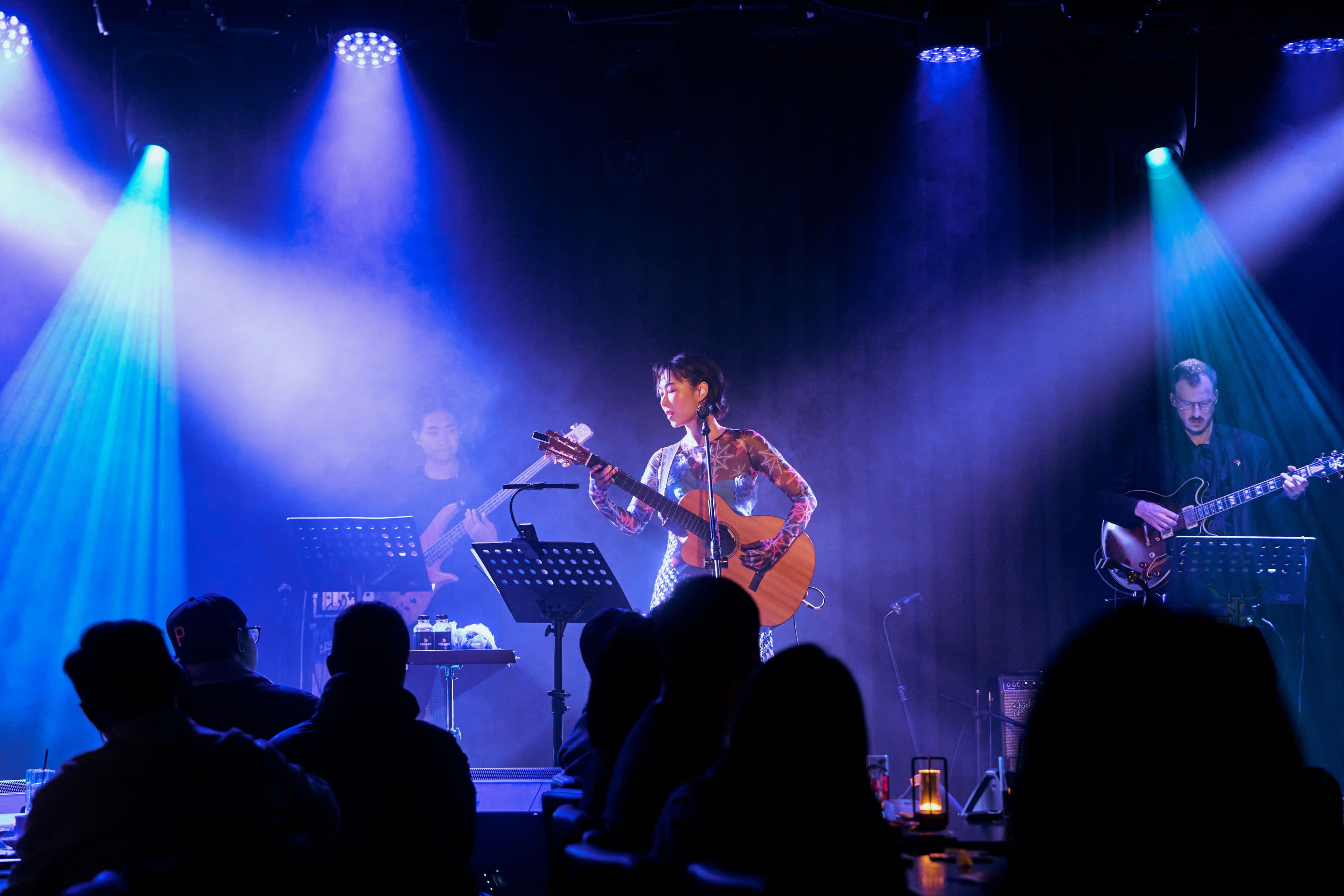
One by one, the band members stepped forward for their solos, and the stage opened up like an amusement park in full swing.
Even though everyone remained seated, the entire audience started to sway unconsciously—an undeniable testament to jazz’s intoxicating pull.
Keyboardist Andrew Page played with nimble brightness, as if tossing out shimmering marbles one after another.
Guitarist Benjamin Holt and bassist Sujong Park formed a near-perfect pairing, gliding between intensity and composure—sometimes pushing the music forward, sometimes holding it with grounded grace, laying down a springy floor for the whole piece to dance upon.
Saxophonist Su Sheng-Yu acted like a magician binding all the tones and voices together; with each breath, the melody gained deeper expression, and the transitions found their natural flow.
Drummer Chuck Payne, wild yet precise, seemed to hold the band’s heartbeat in his hands—each strike making it impossible not to nod along with him.

For the finale, he moved toward the familiar warmth of “What a Wonderful World,” bringing the evening’s theme full circle in the most romantic way.
The song is often associated with Louis Armstrong’s expansive, resonant embrace—wide, open, almost monumental.
But in Joanna Wang’s hands, it became more of a hymn, more of a storyteller’s gesture.
She didn’t urge emotion with sweeping power; instead, she guided us gently, inviting us to revisit every feeling we had touched throughout the night.
The joy, anger, sorrow, and delight that love stirs—the struggle, the ache, the sweetness, the softness.
All the shadows that might have darkened the heart were, in her interpretation, transformed into something else entirely:
part of what makes the world, and love itself, wonderful.
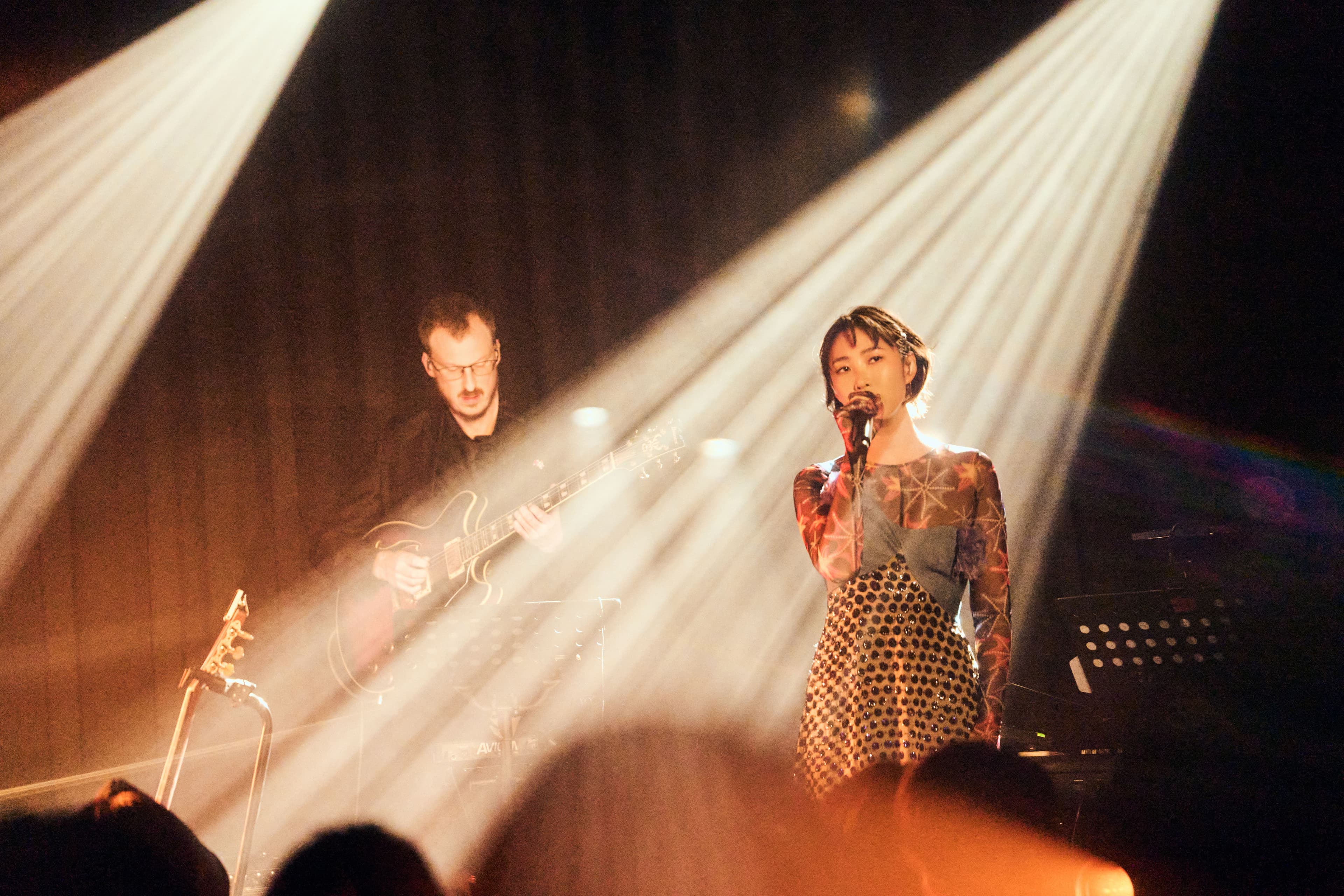
“Tonight wasn’t about singing love perfectly—it was about singing love in its entirety.”
With December’s arrival came a certain seasonal brightness, as if a warm blanket had been draped over the audience at the end of a story.
When she picked up the sleigh bells and eased into “Christmas Time Is Here” and “Santa Claus Is Comin’ to Town,” the room instantly filled with the imagined warmth of pine needles and hot cocoa.
More than an expression of love, it felt like a blessing offered to everyone present.
As we stepped out of the venue, the glimmer of sequins still flickered in our minds—
like the faint tail of a small comet, or the elegant script of “The Fin.” at the end of a film, gently pulling us back into reality.
And yet, somewhere inside, the echo of “Once upon a dream” continued to linger.
Article Author

土生土長台北人,養有黑貓一隻。
太喜歡吃冰淇淋,願望是在台北開冰淇淋店。