
![[Live Report] Revisiting the Shōwa Era with Momoko Kikuchi: The Evolution of “Seishun no Ijiwaru.”](/_next/image?url=https%3A%2F%2Fcdn.sanity.io%2Fimages%2Fj7v3ih3b%2Fproduction%2Fce472d8b1662c0c03fc5cd888fb6ec93a5086357-1563x938.png&w=3840&q=75)
Music
Momoko Kikuchi|Live Report|20260213
The opening song was “Blind Curve,” originally released in 1984. Departing from the sweet image many associate with her, Momoko Kikuchi appeared in a striking pink outfit: one side a lace dress, the other tailored suit trousers. The design seemed to suggest a duality—both feminine and masculine.
Cute yet energetic, sensual yet grounded, the look almost felt like a statement of contemporary womanhood: moving between different outward appearances while remaining internally independent, unconstrained by mainstream expectations. Through this costume, we caught a glimpse of the many facets of Momoko Kikuchi.
Paired with the slightly urban atmosphere of “Blind Curve,” the mood carried a sense of guardedness toward the world while still yearning for acceptance. What we witnessed on stage was Momoko Kikuchi in the year 2026.
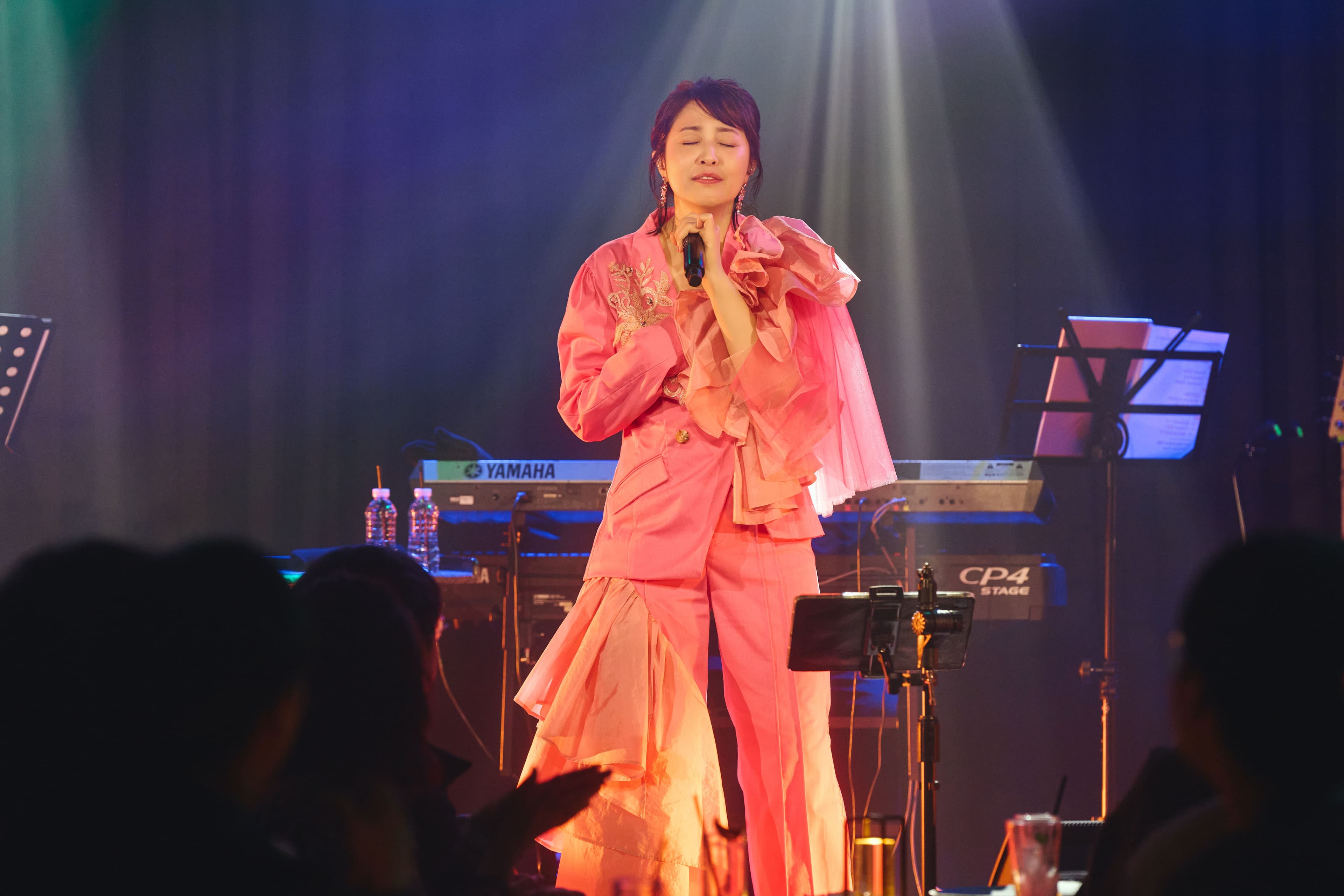
To most people, Momoko Kikuchi is known as a singer, model, and actress. Originally, she had no intention of becoming an idol, but her sweet appearance caught the attention of a talent scout. She made her big-screen debut in Pants no Ana(released March 17, 1984), playing a strong-willed character. The film’s commercial success quickly brought her into the spotlight, followed by the release of her single “Seishun no Ijiwaru” and the album Ocean Side.
Kikuchi later formed her own rock band, RA MU, where she served as the lead vocalist. Although they called themselves a rock band, their music was largely rooted in jazz-fusion. While Kikuchi debuted as a pure, soft-image idol, she has continued to express different sides of herself through a range of artistic identities.
Further listening:
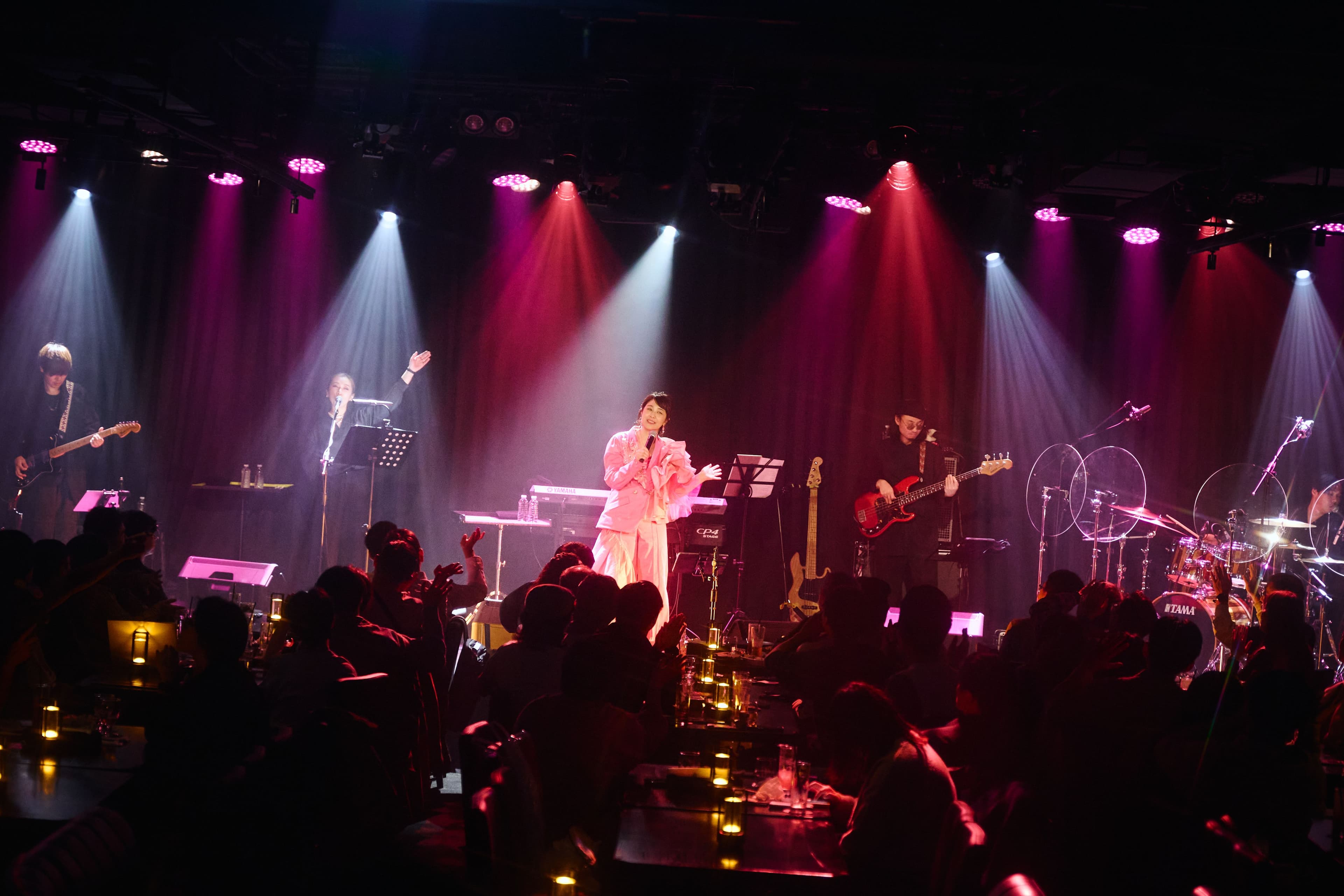
Momoko Kikuchi greeted the audience with a bright, energetic smile before the show moved into “Ocean Side.” The opening was driven by the band’s powerful, interlocking arrangement. As the sections shifted, her pink dress shimmered under the lights, moving with the rhythm. Her relaxed dance steps quickly warmed up the room, bringing to mind the imagery of the album Ocean Side—Kikuchi drifting across clear, translucent waters.
Then the delicate electric piano of “Tomorrow” began. A spotlight fell on Kikuchi, and in that moment she seemed to become the heroine of a film—moving from a carefree summer afternoon into a quiet corner of the city where heartbreak lingers. We were drawn into Momoko Kikuchi’s world, and from the audience came the sound of people unable to hold back their tears as memories resurfaced.
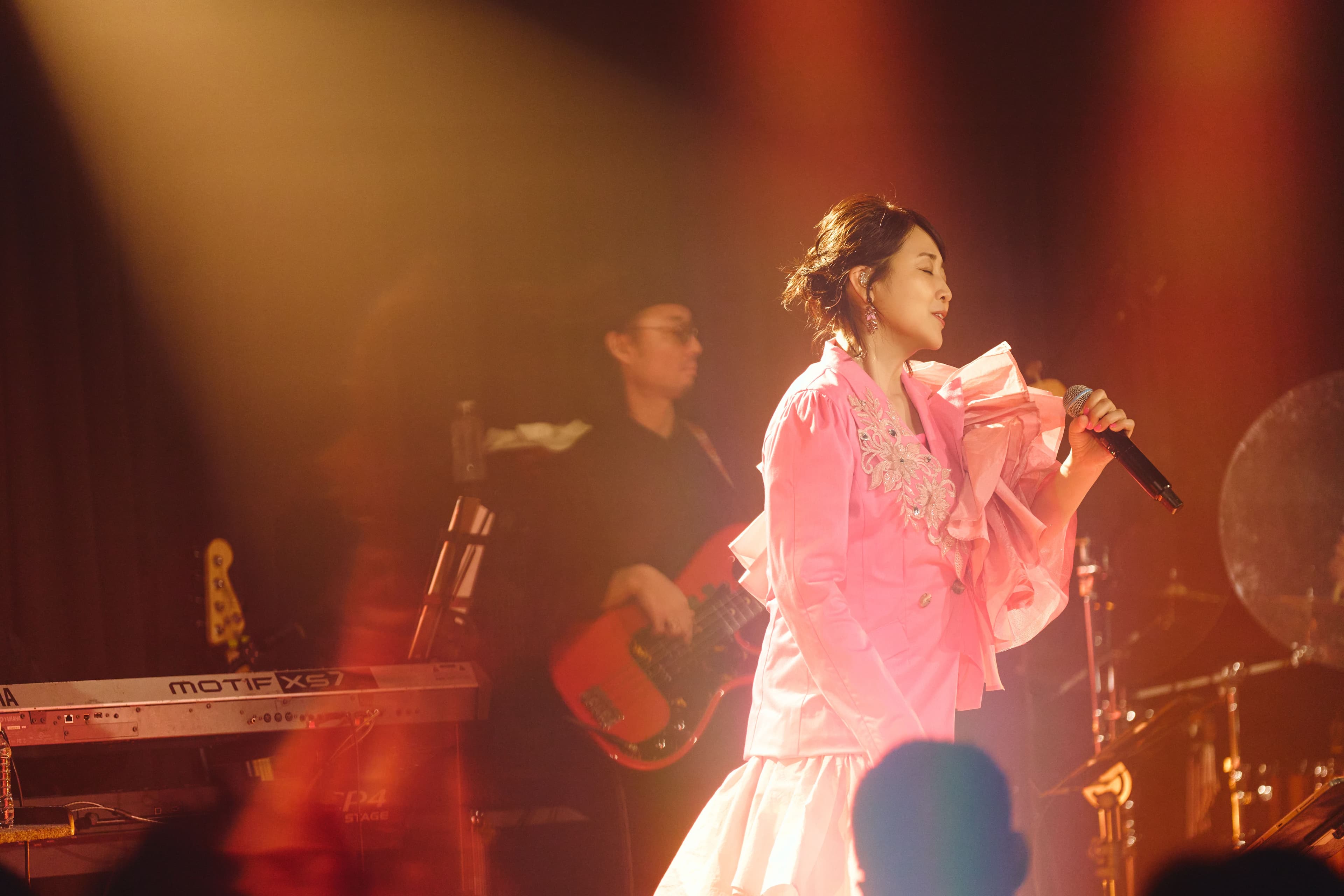
Kikuchi knelt at the front of the stage, bringing herself to the same level as the audience. The idol who once could only be seen on television was now right before our eyes. The glow of her smile reflected the warm stage lights, illuminating the moment.
Her delicate, sensitive voice felt so fragile that you could almost hear the instant it dissolved into the air. The scene was almost cinematic in its magic: Kikuchi herself—and the person she seemed to be confiding in through the song—had now become every listener sitting in the audience.
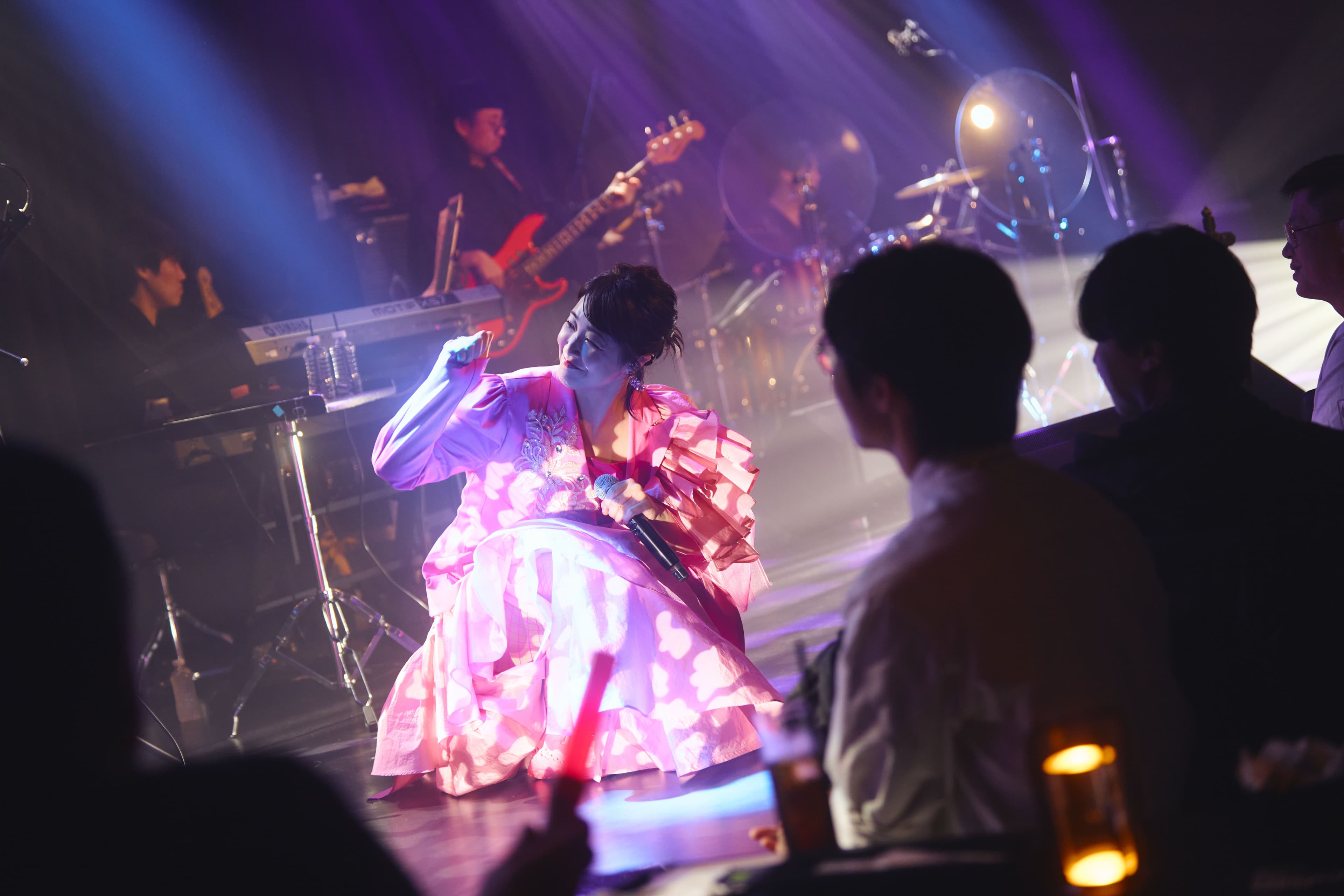
“Summer Eyes” shifted the mood with its lively groove, pulling the show back from drifting too deeply into sentimentality. A clear rock beat stacked layer upon layer, transforming the scene—from solitary tears in the dark to a bright, forward-looking declaration. Kikuchi’s band also demonstrated remarkable professionalism, navigating this dramatic stylistic shift with ease.
In “Ocean Side,” the lyric mentions “…driving at dusk while listening to ‘Aqua City.’” The “Aqua City” referred to here is another signature work produced by Kikuchi’s longtime music producer Tetsuji Hayashi, performed by the Japanese City Pop band Kiyotaka Sugiyama & Omega Tribe. Together, these works helped shape the sound of Japanese pop in the 1980s.
Summer, the seaside, and the city are essential elements of City Pop. Looking from the shimmering ocean toward the skyline, the music often evokes a feeling of being in a big city yet somehow alone. In Japan’s rapidly developing 1980s—before the bubble economy fully took hold—pop music like this sketched out the emotional landscape of an entire generation.
Further listening:
AOR (Adult Oriented Rock) made its way into Japan in the 1980s. What later came to be known as City Pop can largely be seen as Japan’s reinterpretation of AOR. Beyond precise imitation, the Japanese music industry absorbed its characteristics and blended them with a wider range of influences, eventually shaping the distinctive City Pop style that later generations would study and admire.
The musicians behind these recordings were often highly trained and exceptionally skilled. The music is characterized by refined production, strong melodic emphasis, and carefully crafted harmonic arrangements. It feels perfectly suited to neon-lit nights, urban landscapes, and the emotions of modern romance—both passionate and introspective. In many ways, it captured the social atmosphere of the era.
“The title of this show is Peachful Days Extra… My name, Momoko, has been with me since I was born—it means ‘peach.’ I’ve also heard that people in Taiwan really like peaches!”
With that playful remark, Kikuchi instantly shortened the distance between herself and the audience. She continued:
“My name, Peach, combined with Peaceful—that’s where the title Peachful Days Extra comes from. I hope everyone can share with me a peaceful and happy life.”
By choosing such a theme, Kikuchi seemed to be responding to the turbulence of the times. No matter their age, fans can find strength in moments of calm—and perhaps that is one of the greatest gifts an artist can offer. On stage, she becomes a source of emotional support for her audience.
Momoko Kikuchi is someone who carries genuine love for society and uses her abilities to give something back to others. It’s hard not to feel that she must possess an extraordinarily kind soul.
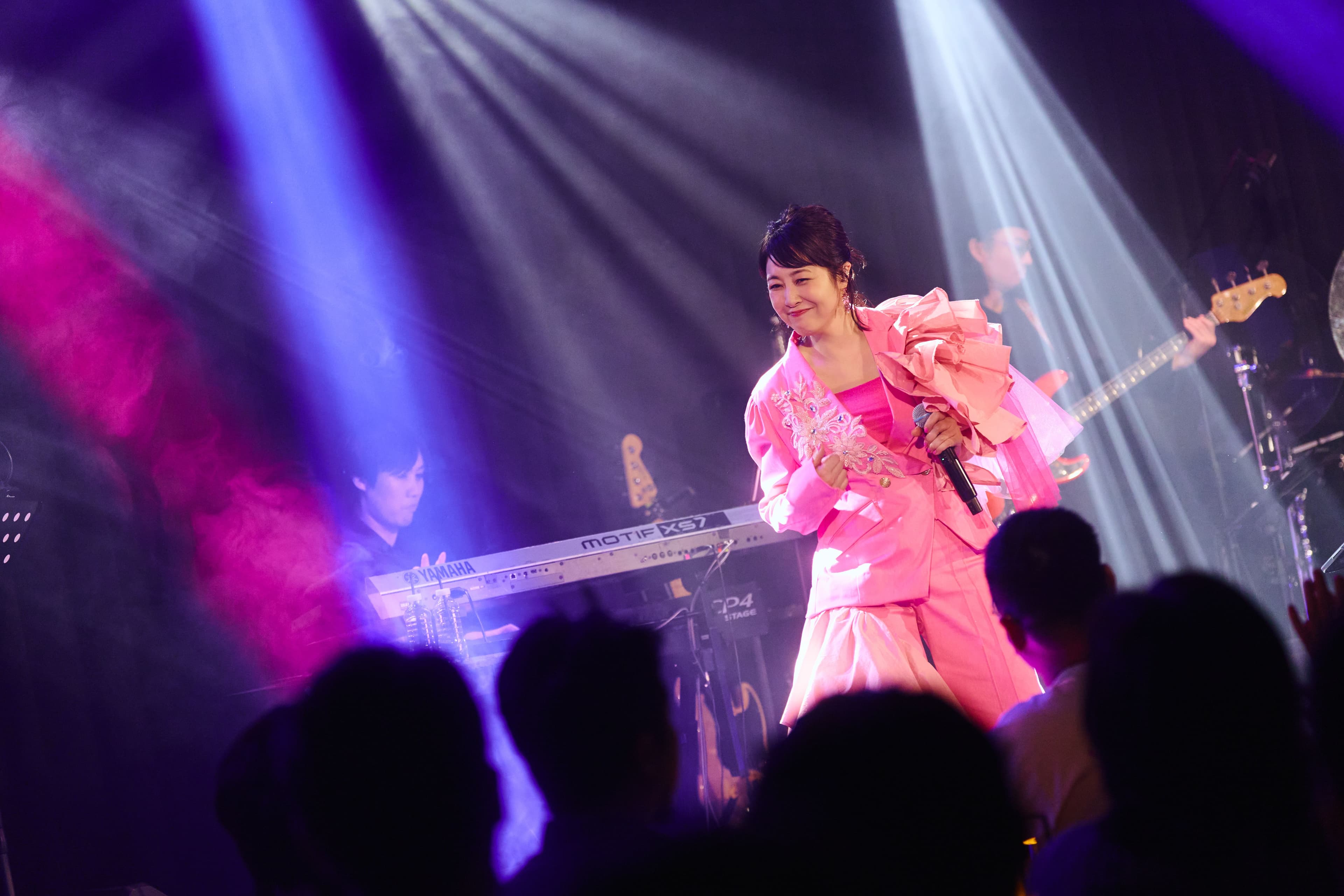
During the chorus of “Natsuiro Kataomoi,” Kikuchi flashed a thumbs-up to the audience as they sang along to the chant, “Un! Deux! Trois!” Beginning from a slightly shadowed emotional tone, the song once again revealed the image of Momoko Kikuchi that lives in the hearts of many listeners—pure, charming, transparent, and quietly uplifting.
The rhythm of “Broken Sunset” arrived with even greater intensity. Originally arranged with electronic instruments in its studio version, carrying a hint of New Wave texture, the live performance transformed it into a more rock-driven sound. It brought to mind pop-rock bands such as Kiss or the Bee Gees. The strength of the music contrasted with Kikuchi’s gentle voice, making the tenderness of her emotions feel even more delicate yet resolute.
Despite performing two consecutive shows, Kikuchi showed no sign of fatigue, and by this point the audience was fully immersed in her musical world. “Boy no Theme” opened with a bright synthesizer line—one of the song’s most memorable features. With its mid-tempo groove, vivid synth melody, and dynamic shifts between sections, the song repeatedly called out to the “Boy” within the heart. As Kikuchi moved with the music, her dress shimmered under the lights.
From time to time she walked to both sides of the stage to interact with fans, even reaching out to shake hands with people in the audience, displaying her natural warmth. She has never been the kind of idol who stands distant and untouchable. Even after years in the entertainment industry, she remains Momoko Kikuchi—someone who cares deeply about the world and about the people standing right in front of her.
“On the Night the Dream Boat Sets Sail” felt almost like a lullaby—a gentle waltz in triple time. Audience members raised their hands in support, and the atmosphere of the concert gradually swelled into its most warm and heartfelt peak.
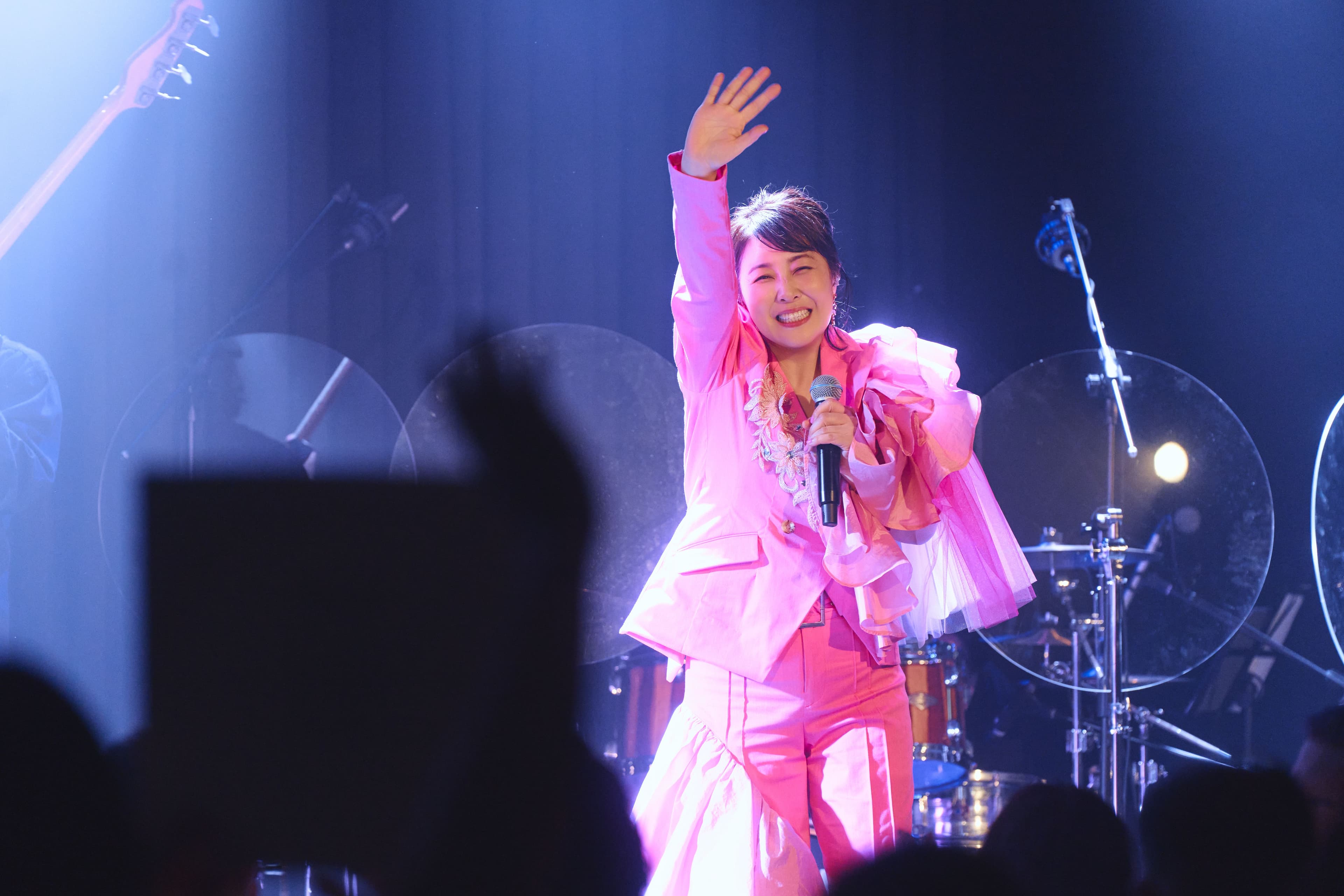
“Seeing everyone waving their hands together—it’s truly beautiful. Thank you all so much,” Kikuchi said.
Not every performer moves across the stage with the same natural ease as Momoko Kikuchi. Her gestures seem to flow effortlessly, yet each glance and dance movement feels carefully shaped, responding to the shifts in the music and the rise and fall of emotion. There is a sense of refinement, but also spontaneity—an approach that resonates deeply with her fans.
“I’ve worked very hard to make it this far, and I’m truly grateful to all of you. The way you look at me with such kindness… I can really feel the warmth and sincerity in your hearts.”
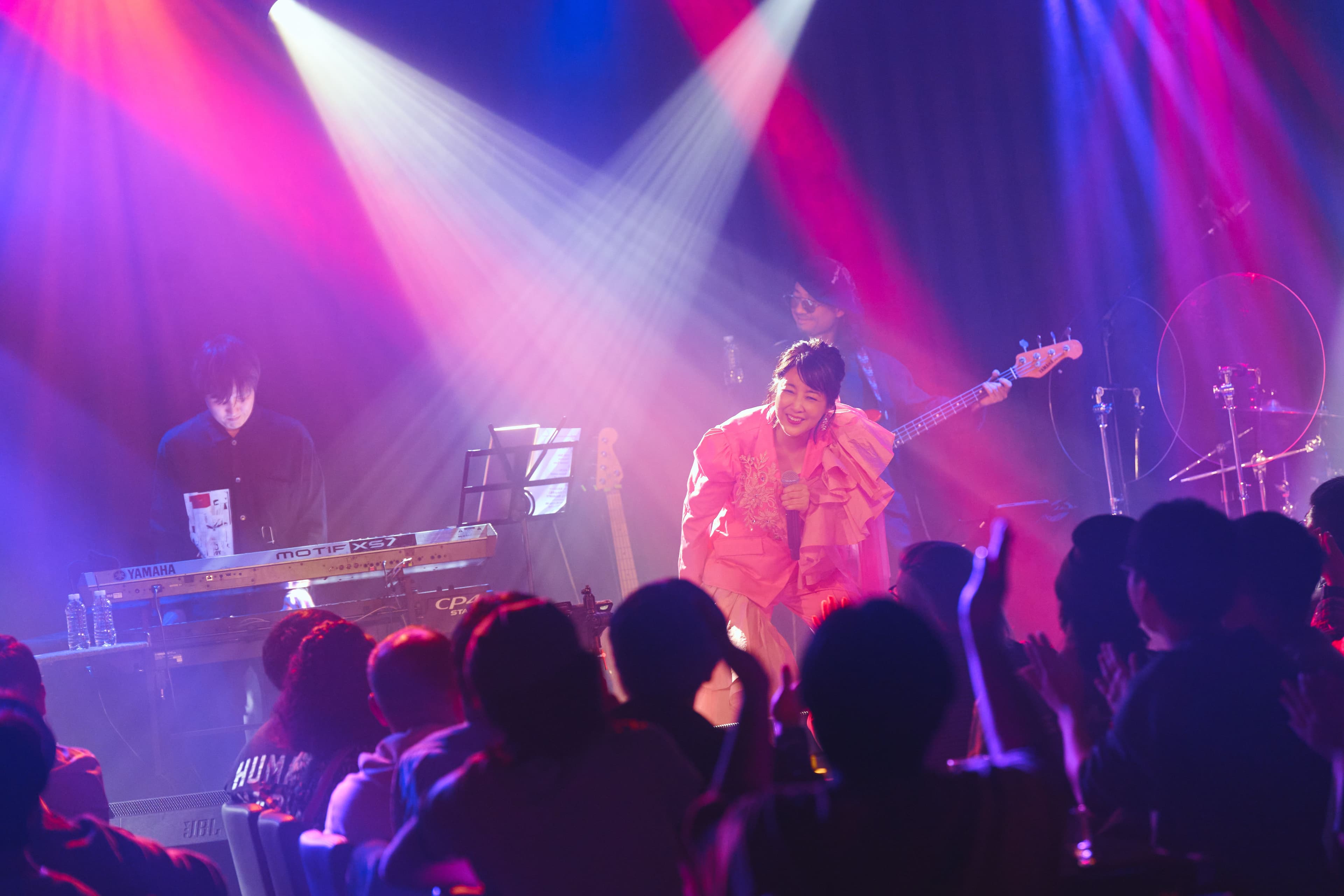
“…The next song I’d like to sing for you is one that I only perform at live concerts. It was never released on CD, and you won’t find it online either. It’s a song about sunset—about the fading light of the evening. It’s a piece I treasure deeply and reserve especially for moments like this on stage. Please listen to Aka-tsuchi Iro no Silhouette (Crimson Silhouette).”
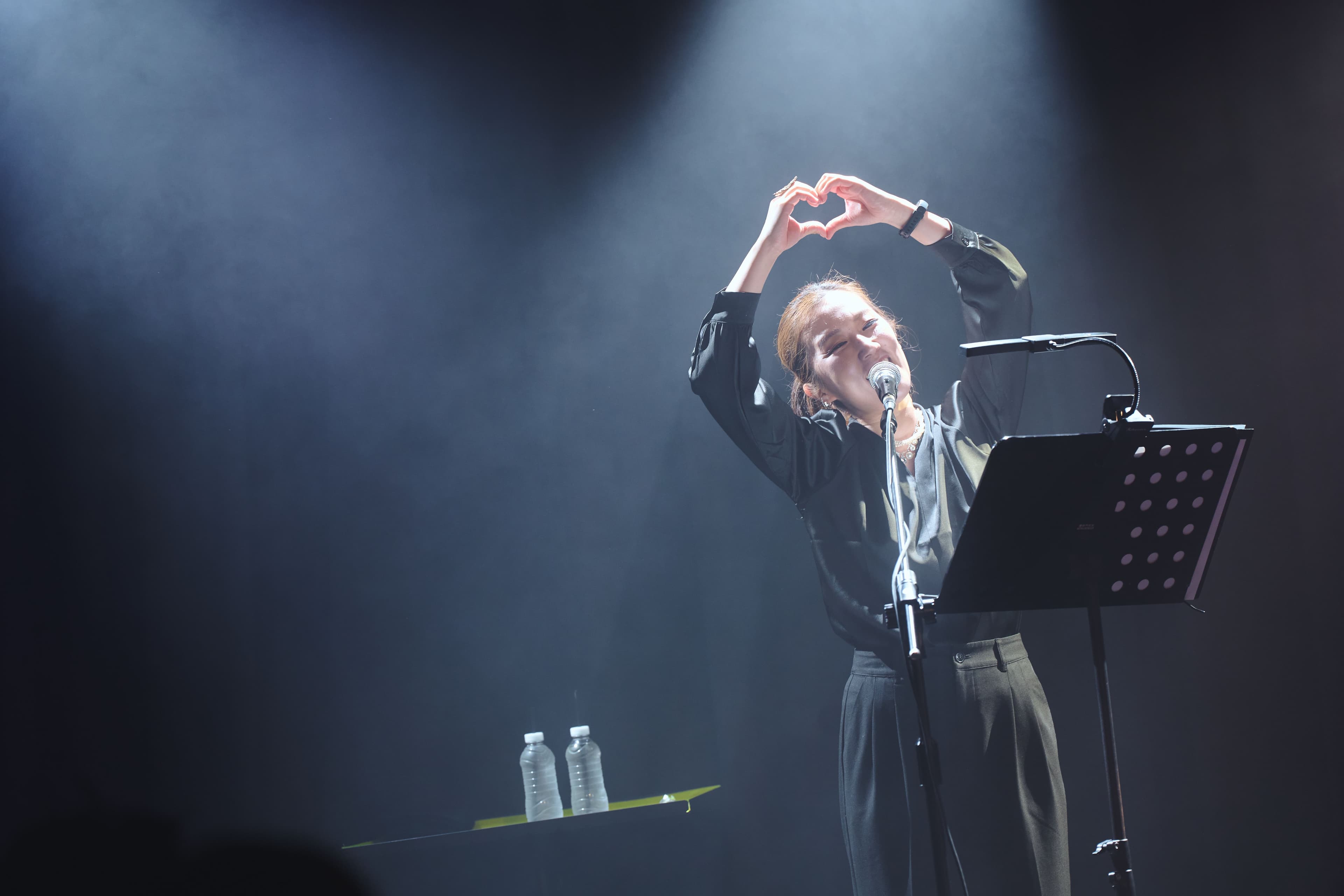
People often say that music can transcend language. But if I had to describe this song in words… it feels like a small secret shared between Kikuchi and her fans.
Compared with the rest of the setlist, the emotion carried in this piece feels especially innocent. It’s a purely uplifting song, filled with a sense of genuine warmth. From the way its sections are arranged to the emotions flowing through the melody, everything points toward a feeling of simple, heartfelt friendship.
To truly experience it, though, you probably have to be there in person. So for all the fans—don’t miss the chance to see your idol live. Sharing a little secret with your idol is a pretty special feeling, after all (lol).
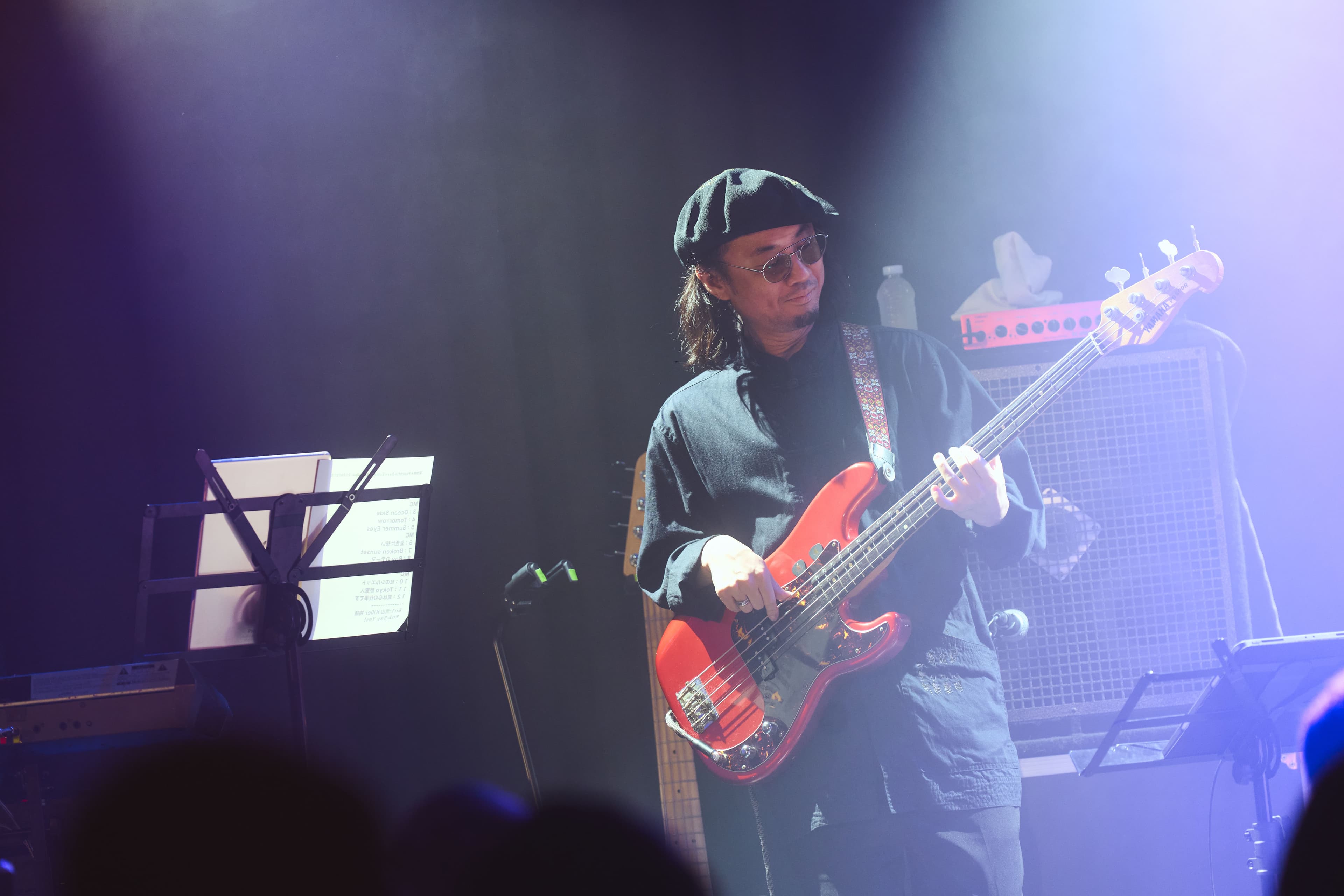
“Even though saying goodbye can feel a little lonely, we still have the final two songs left! Let’s enjoy them together until the very end,” Kikuchi said, her expression full of warmth and appreciation. The audience responded immediately with applause and cheers.
“Tokyo Yabanjin” dates back to her days with the band RA MU. It opened with a powerful rock riff before shifting into a grooving section. The disco-style backing vocals—though performed by a single voice—carried the energy of a full chorus. The offbeat phrasing of the melody gave the song a sense of new-generation femininity, with Kikuchi’s expressions and the sound of the music intertwining naturally.
Midway through the song came a half-time instrumental break: a guitar moving between funky strummed rhythms and solo lines, trading phrases with the synthesizer in a lively musical exchange.
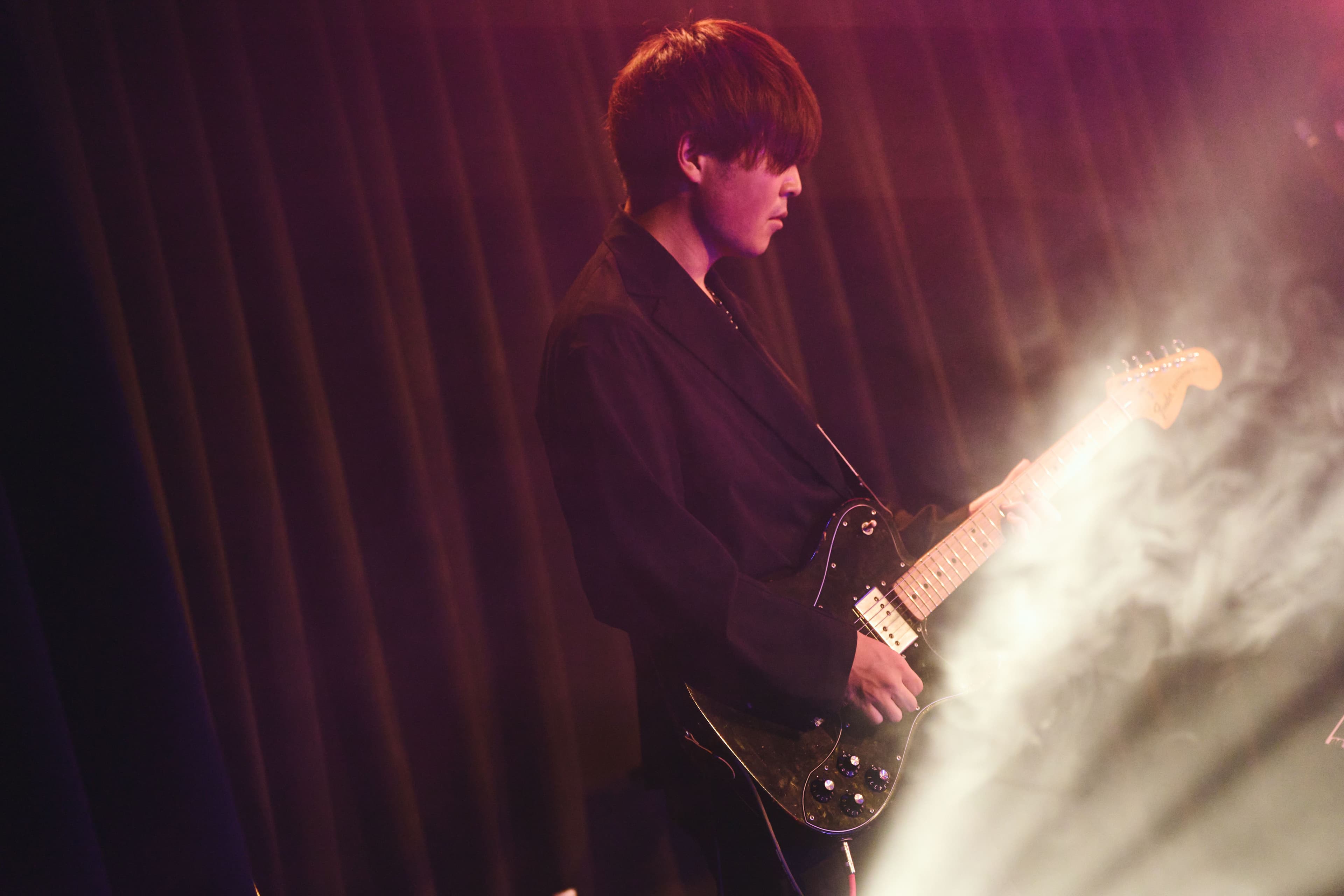
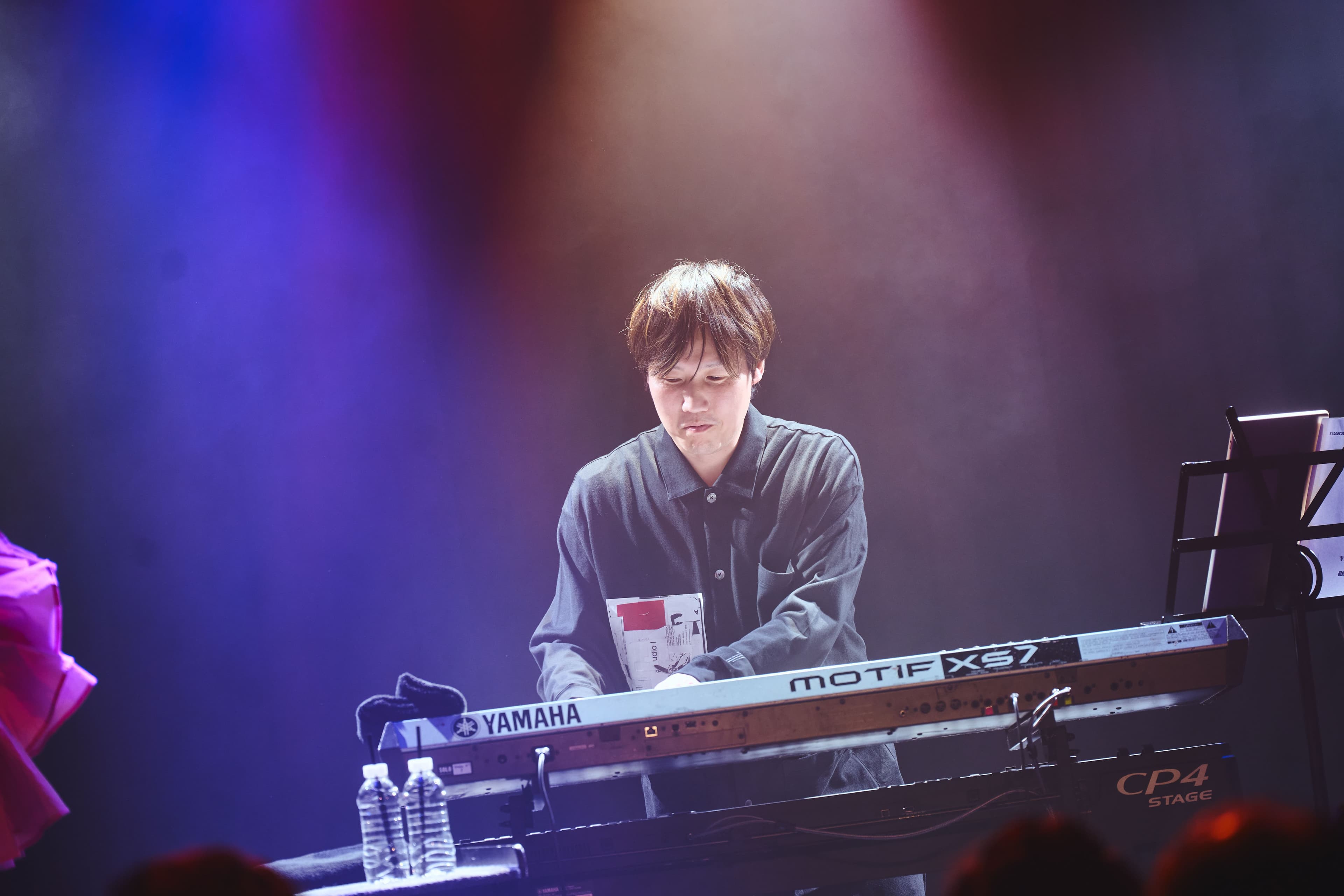
“Ai wa Kokoro no Shigoto Desu” began with a dreamy introduction before shifting into a piano-led accompaniment that used Clavinet and singing bowl-like tones. The groove seemed to echo the spirit of Stevie Wonder’s “Superstition,” as the audience joined in by clapping on the second and fourth beats, locking into a strong, danceable rhythm with the drummer.
Songs from the RA MU period carry a stronger Disco and Funk influence than Kikuchi’s earlier solo work. Within this powerful rhythmic framework, the music would occasionally soften into gentler passages—moments that allowed Momoko Kikuchi’s expressive charm to shine even more vividly.
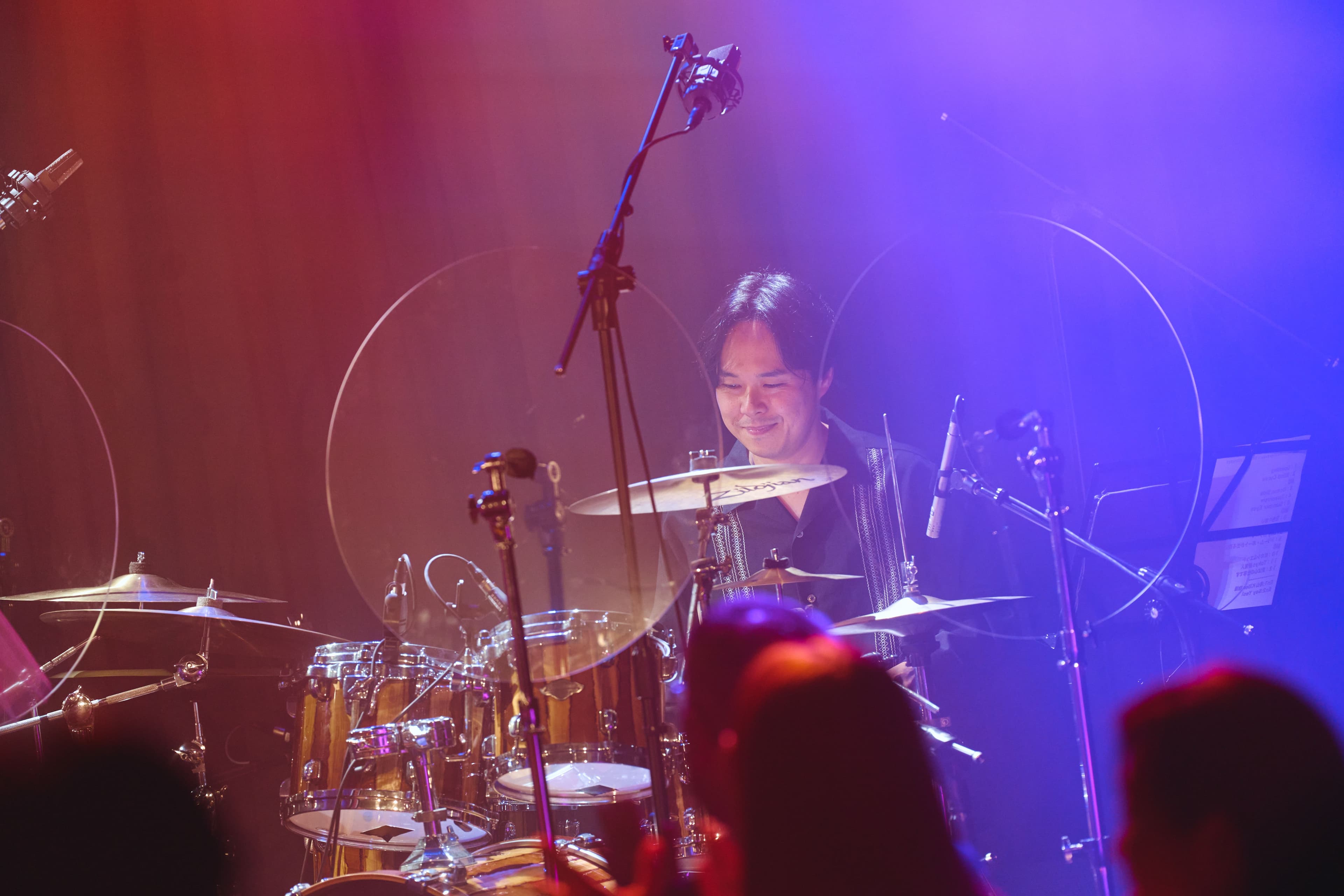
“Recently, I’ve really started to feel like an adult—my two children are already grown up as well! I think it’s probably the same in your country too: when children are still young, once you become a mother, you devote one hundred percent of yourself to taking care of them. Now that I finally have some time to do things for myself, it feels truly wonderful.”
“While I still have the energy, I want to keep singing as much as I can! For the final two songs, please spend this moment together with me.”
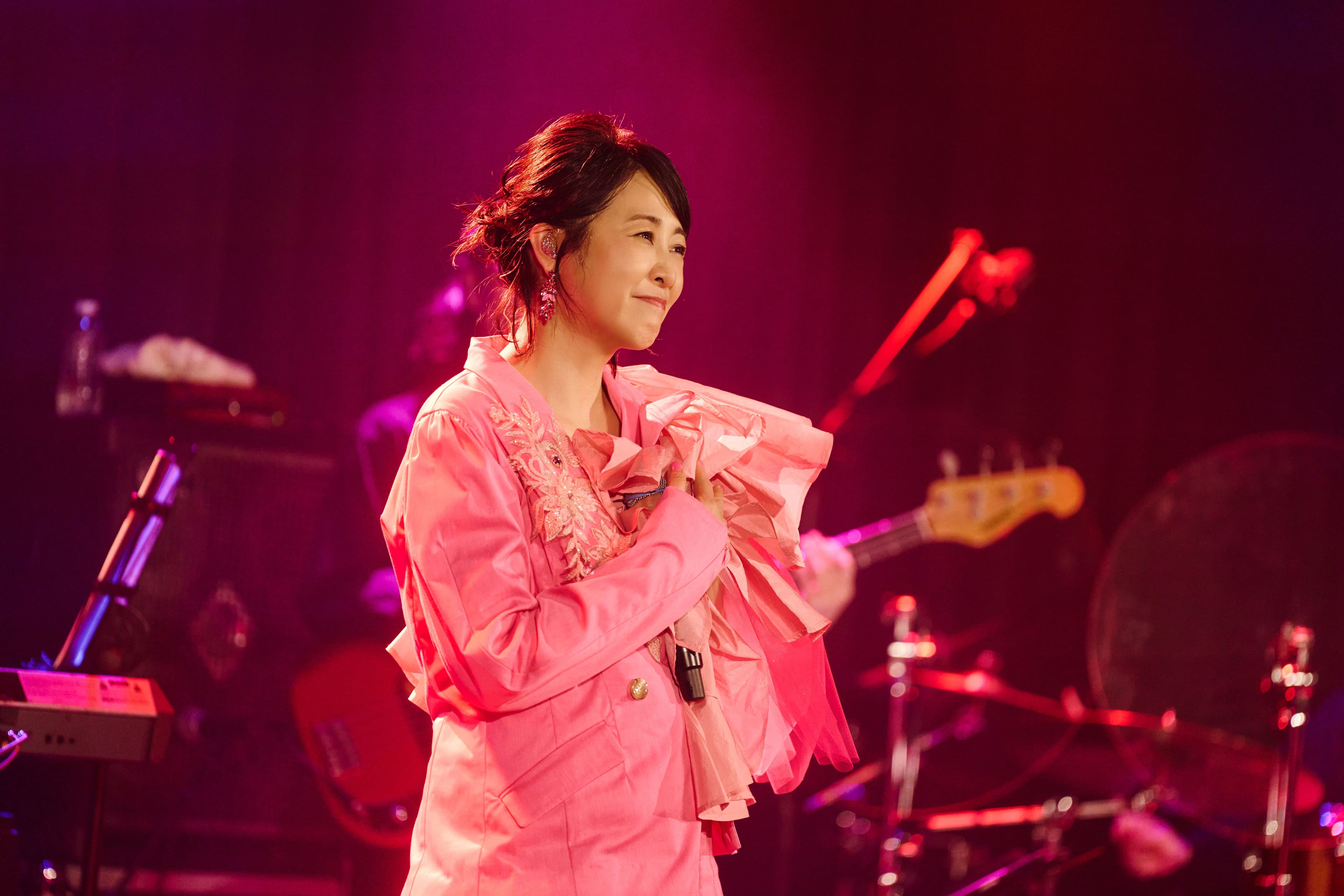
“Aoyama Killer Monogatari” was followed by the second encore, “Say Yes!” Taking advantage of brief pauses between songs, Kikuchi thanked the audience and interacted closely with them—from both sides of the stage to the fans in the front rows. Even after spending a lifetime as a singer, she still cherishes the stage and the fans who continue to support her.
Although the songs themselves were full of passion and intensity, her voice carried a sincerity that moved many in the crowd to tears. Among the audience were devoted fans holding vinyl records, albums, or their own handmade cheering items—treasured objects carefully brought to the show. After the concert, these same people would return quietly to their everyday lives, continuing to support the artist they love in their own way.
As the performance came to an end, everyone left with satisfied smiles, bringing this special day to a gentle close.
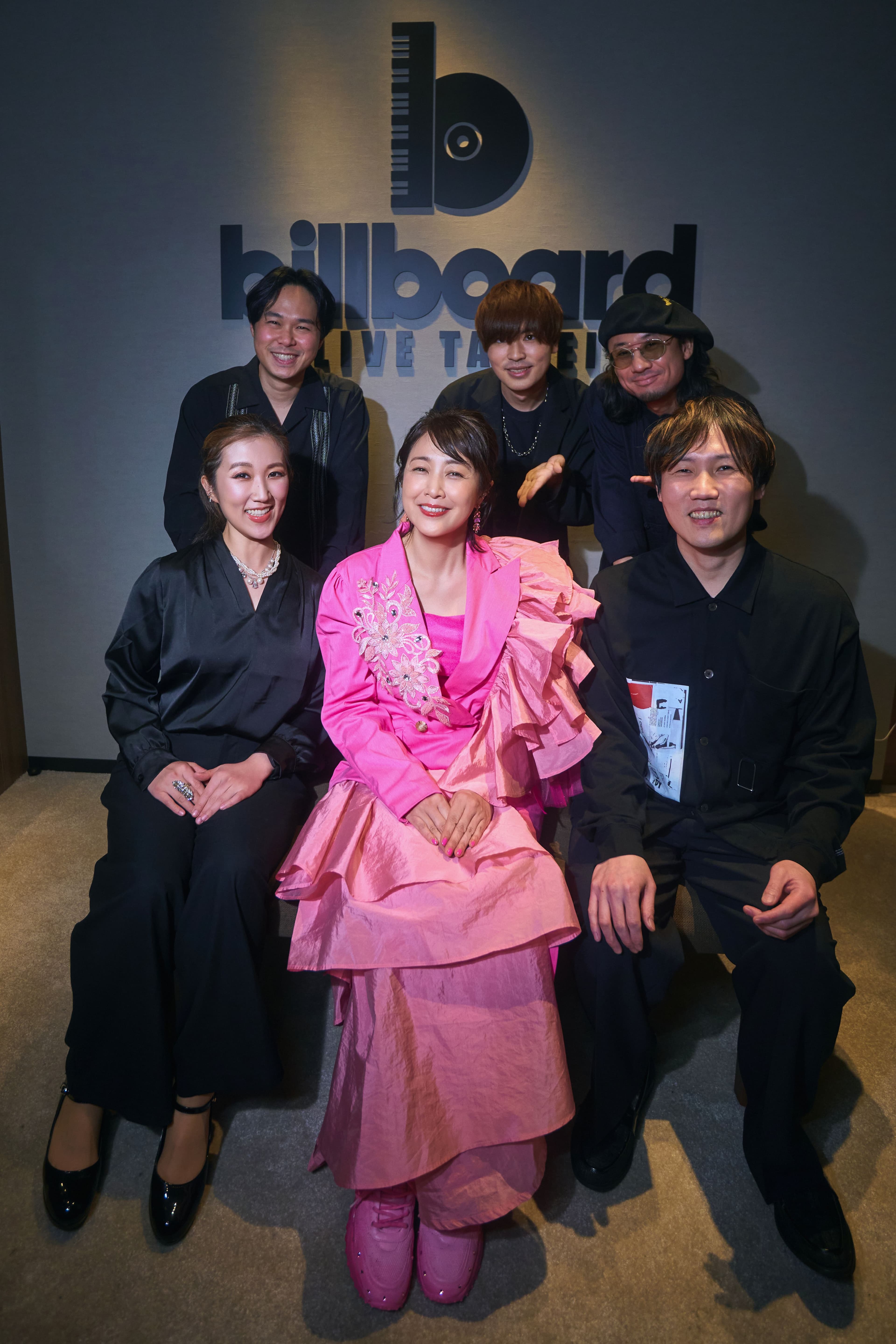
Momoko Kikuchi: Peachful Days Extra In Billboard Live TAIPEI
setlist-
Article Author

