
![[Live Report] SM JAZZ Trio’s First Overseas Performance Concludes in Style at Billboard Live Taipei](/_next/image?url=https%3A%2F%2Fcdn.sanity.io%2Fimages%2Fj7v3ih3b%2Fproduction%2F7ac3ac774ca540e92e9b79478ebd3af218a737c9-1563x938.png&w=3840&q=75)
Music
After absorbing a multitude of styles only to shatter and reassemble them, the trio wove these fragments seamlessly into improvisation. Drummer Jongkuk Kim, seemingly with no intention of stopping, drove an ever-burning improvisational current, while the other members remained alert—exchanging glances as if to confirm: “The drummer is still on fire—stay right here.”
The piece performed was “Fly Up (Jazz Ver.)”, originally a signature track by RIIZE. Retaining its gospel-rooted composition, the reinterpretation brought it closer to the vibrant, communal energy embedded within the lineage of Black music.
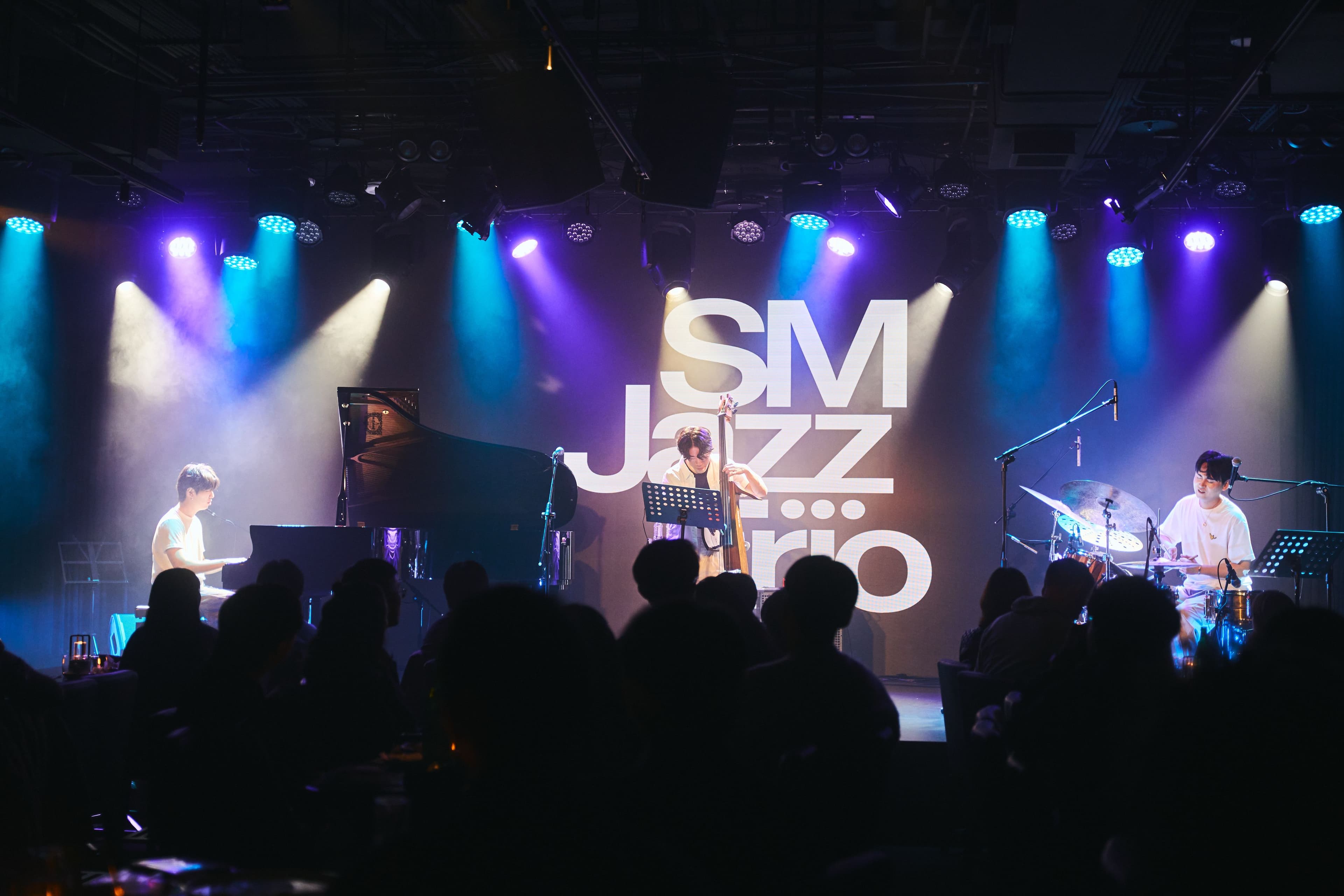
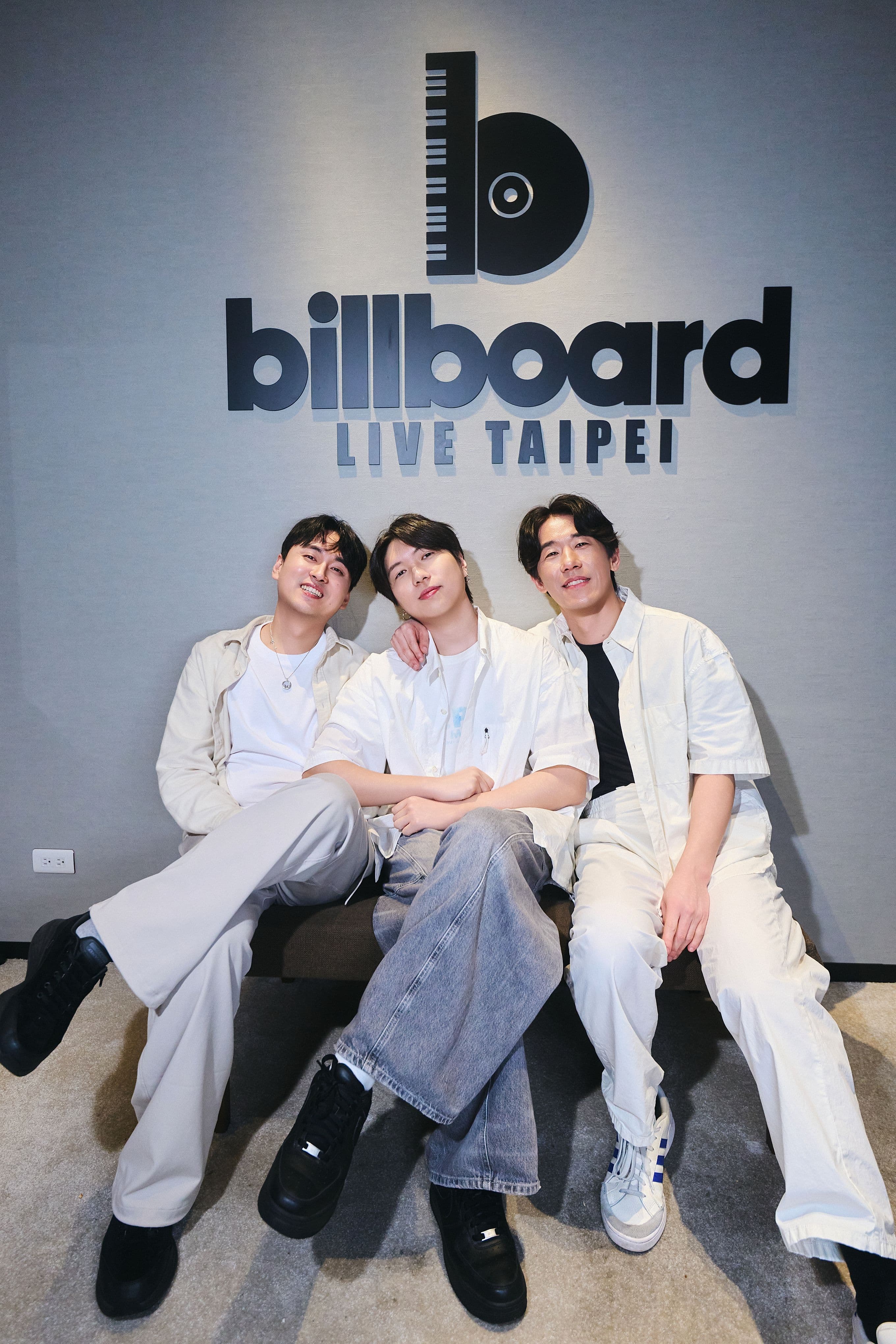
“Hello everyone, we are SM Jazz Trio—pianist Yohan Kim, bassist Hogyu Hwang, and drummer Jongkuk Kim!”
Bassist Hogyu Hwang took the role of the first MC, introducing the group with ease.
Having released their debut album PINK NOTE just last year—an album centered on reimagining songs by SM Entertainment artists—they greeted the audience while introducing the project. Jongkuk Kim’s clear, buoyant speaking voice mirrored the essence of his improvisation: playful yet intricate, deconstructing and reconstructing musical language. His approach blends contemporary elements with a deep reverence for tradition.
Picking up a drink handed to him by staff, Jongkuk Kim invited the audience:
“Right now, I’d like to invite everyone to raise a glass with me! Let’s celebrate this special moment—not just our first album, but also our first overseas performance! I’ll say ‘SM,’ and you say ‘Jazz Trio!’”
Their first taste of the drink seemed to catch them off guard—
“…Don’t worry, we’re all over 19!”—drawing laughter from the crowd.
Carrying forward the lively atmosphere, the trio performed their original piece “SM Blues.” The composition traverses multiple eras of jazz: from echoes of contemporary giant Robert Glasper to early bebop in the spirit of Charlie Parker. The floating harmonic sensibility of Bill Evans serves as its thematic core, enriched by the bold use—and subsequent deconstruction—of Asian-influenced scales.
This piece, along with another original work and the evening’s encore “Prometheus,” shares a subtly mystical harmonic language. While their repertoire leans heavily on reinterpretations, these originals signal the trio’s ongoing effort to carve out their own sonic identity. After an intense storm of improvisational exchanges, the return to the main theme brought a sense of release that prompted continuous applause.
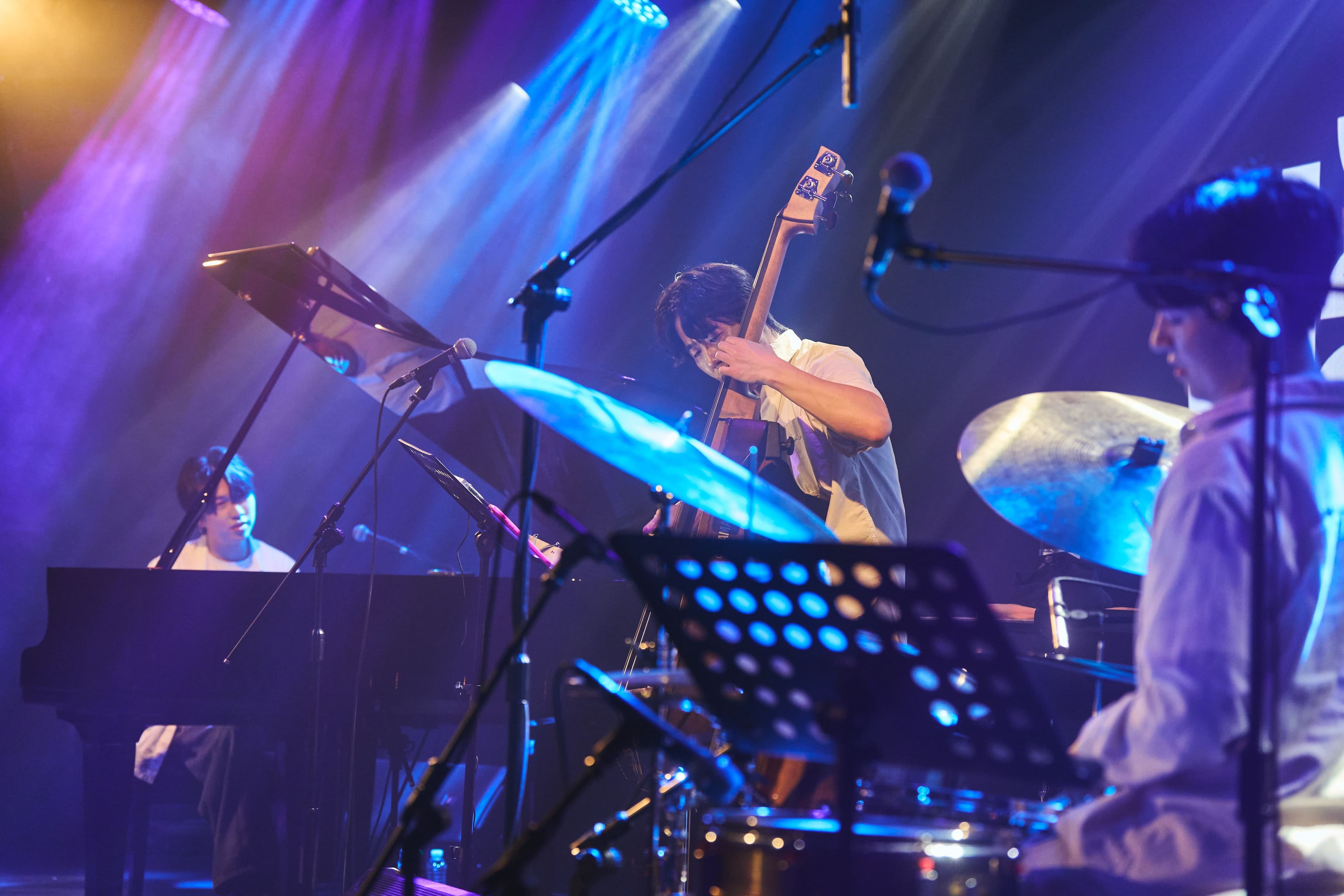
In “Only One (Jazz Ver.)”—originally by BoA—the piano gently seized control in near silence. Delicate arpeggios unfolded as a soft white light filled the venue, reflecting off the musicians dressed in white, their instruments shimmering like stars.
The cymbals conversed with the piano, while the double bass—unfettered by frets—introduced a fluid, drifting texture, painting a warm sonic landscape. Though the original holds a firm place in listeners’ hearts, SM Jazz Trio’s rendition transcended the boundaries of lyrics and language.
“Peek-A-Boo (Jazz Ver.)” played with contrasting harmonies, driven by Afro-Cuban rhythmic patterns. Snare hits sliced through the air, while bowed bass lines emerged through the haze. A sudden shift into halftime made time feel suspended—only to snap back into full speed, like a car accelerating, turning sharply, and braking without warning.
Pianist Yohan Kim—youthful in appearance and energetic in presence—reintroduced the band, his dynamic sensitivity reflected in both speech and performance. As he introduced each piece, audible gasps and excitement rippled through the audience.
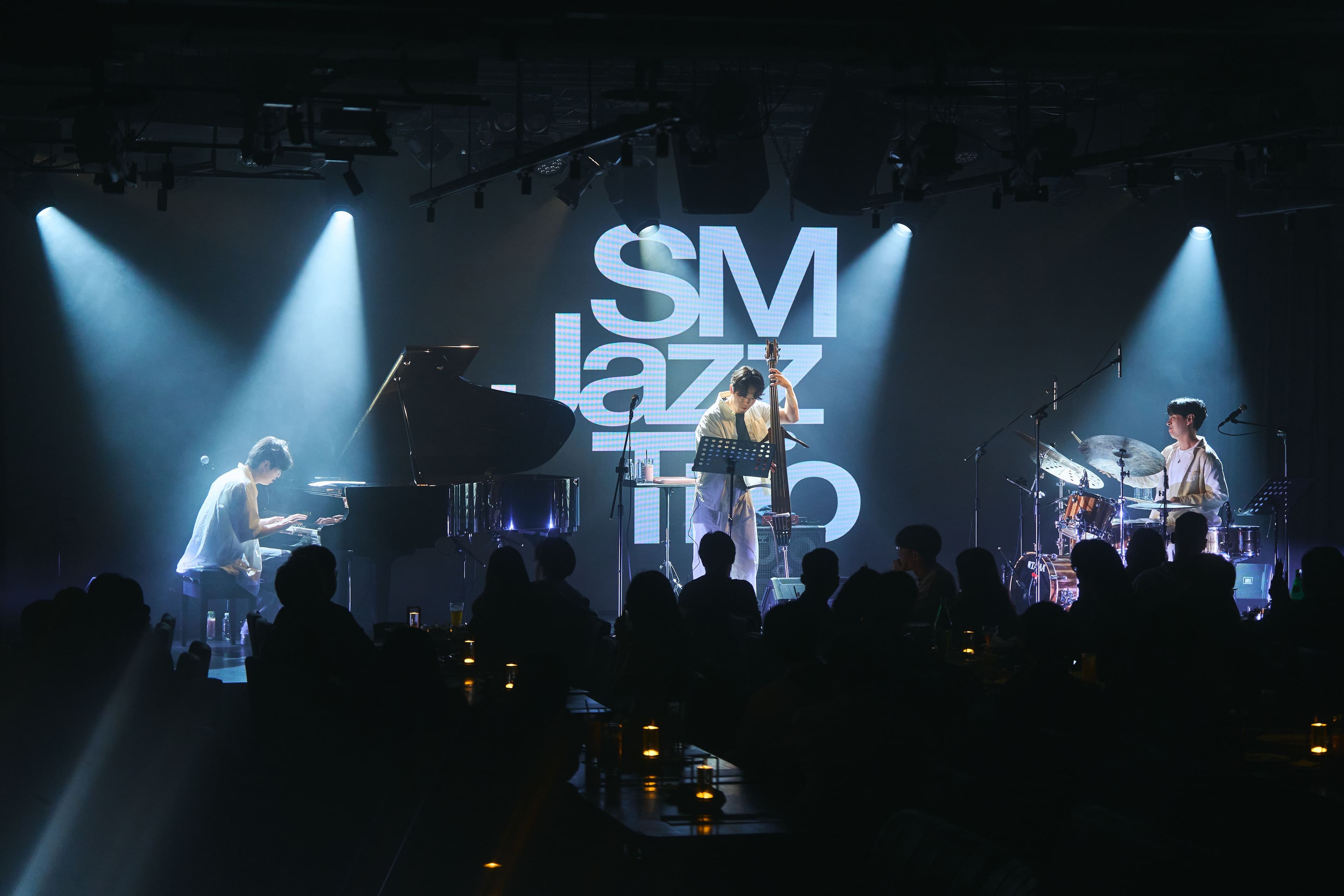
“Gee, gee, gee, gee, baby, baby, baby—you’ve all heard this one, right?”
Their rendition of Girls’ Generation’s “Gee (Jazz Ver.)” transformed the theme into playful call-and-response exchanges, extending and reshaping its rhythmic motives. At its peak intensity, the venue bathed in red light, turning the performance into something of a musical battleground—deconstructing a billion-view hit between harmony and dissonance, memory and innovation.
In “Supernova (Jazz Ver.)” (originally by aespa), the bass opened with an exotic tonal palette reminiscent of A Night in Tunisia or even Whiplash. Hogyu Hwang’s bass solo guided both band and audience through a deep exploration of low-frequency textures.
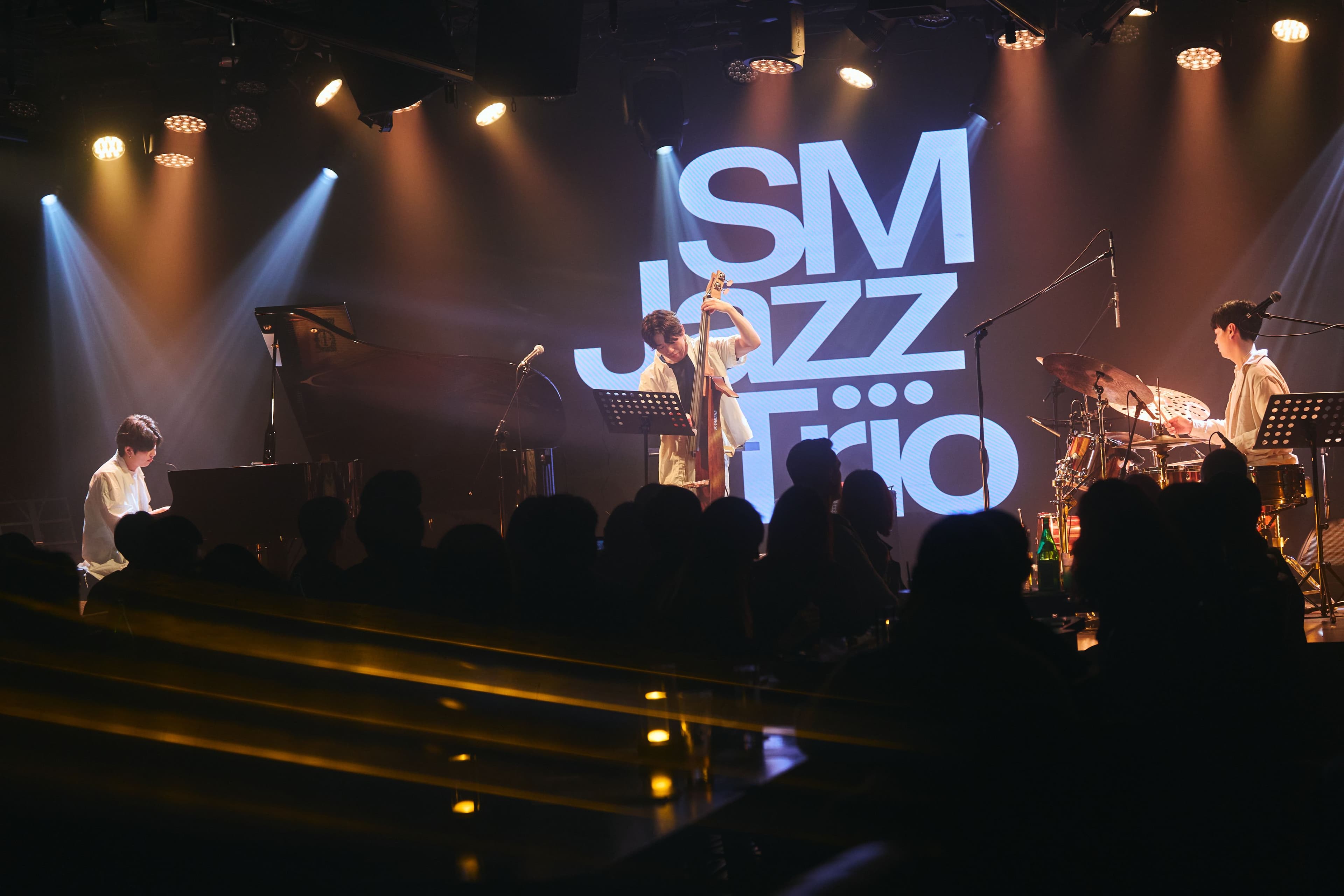
Here, tension was no longer just harmonic—it became rhythmic. The push and pull of time itself turned into a dramatic force, with Jongkuk Kim’s drumming seemingly attempting to fill every inch of sonic space.
Jazz training demands both the extraction of language from tradition and the integration of contemporary sounds—a dialogue between past and present, culture and pop. The trio’s sensitivity allows them to navigate this vast landscape and locate their own voice within it.
“Are there any SHINee fans here?”
Their rendition of TVXQ’s “Hug (Jazz Ver.)” preserved the melodic and emotional essence of the original, opting for subtle harmonic shifts rather than radical transformation—proving that restraint can be just as compelling.
In “View (Jazz Ver.)” by SHINee, the fretless quality of the double bass added fluidity to the piano’s clarity, while unconventional hi-hat and splash cymbal techniques introduced a layered, almost tactile high-frequency texture.
Visually, the trio’s choice of minimalist white outfits complemented the natural colors and curves of their instruments—grand piano, drum kit, and double bass—allowing sound and form to merge into a cohesive aesthetic experience.
Their reinterpretation of EXO’s “Growl (Jazz Ver.)” shifted the original 4/4 into a 7/4 groove, maintaining a strong hip-hop feel while embracing jazz’s affinity for odd meters.
“Next will be our unofficial last song… so we’ll see if your energy calls us back!”
A playful hint at an encore led into a special album giveaway, with lucky audience members receiving copies directly from the musicians.
The final piece, Super Junior’s “Miracle (Jazz Ver.)”, retained much of the original’s structure, emphasizing interaction and shared nostalgia over radical reinvention.
Called back by enthusiastic applause, the trio returned with their original composition “Prometheus,” revealing a more personal, introspective side of their artistry.
“I’m deeply moved by you all—we’ve received so much love. I hope we can come back again. Take care.”
The second encore, “Humpty Dumpty,” paid tribute to the late jazz piano master Chick Corea.
The piece demanded technical precision, with rapidly shifting harmonies and intricate interplay. The drum solo evolved from broad, textural strokes into highly articulated rhythmic language, constantly shifting in density and expression.
In Japan, jazz often lives within dining culture—adaptive, atmospheric. Yet for those who truly listen, it is far more than background music. It is the distillation of countless musical legacies.
For K-pop fans, perhaps this performance opened a new sonic dimension: stripped of spectacle, reduced to three musicians and their instruments, the music felt closer to reality—yet paradoxically more imaginative.
Article Author

