
Music
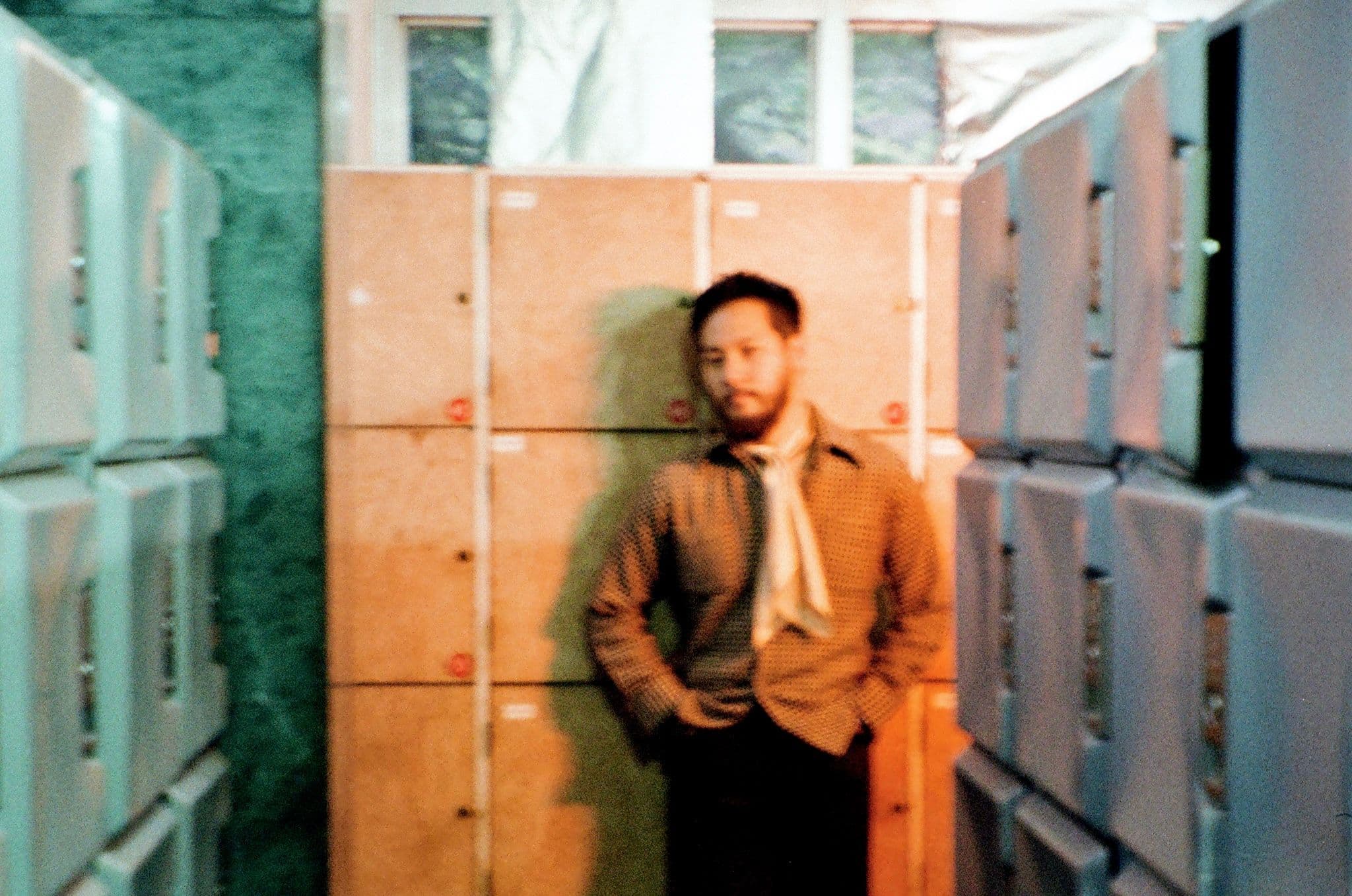
What kind of music from Taiwan can be enjoyed by all ages and shared globally? Before the "Soul Gentleman" Yufu released his debut solo album Heal Me Good earlier this year, probably no one thought Soul music was a possible answer. To music critics in Europe and the Americas, Yufu is one of the very few Asian musicians they have seen who can successfully revive the essence of Soul music. To Japanese veteran fans, accustomed to deeply researching musical contexts, Yufu is like a new hope suddenly sprouting in an aging village. And to young Taiwanese audiences, Yufu is the new auditory darling, dressed in stylish vintage clothes on festival stages; he is utterly self-contained, driving pure rhythm into the veins of the dancing audience.
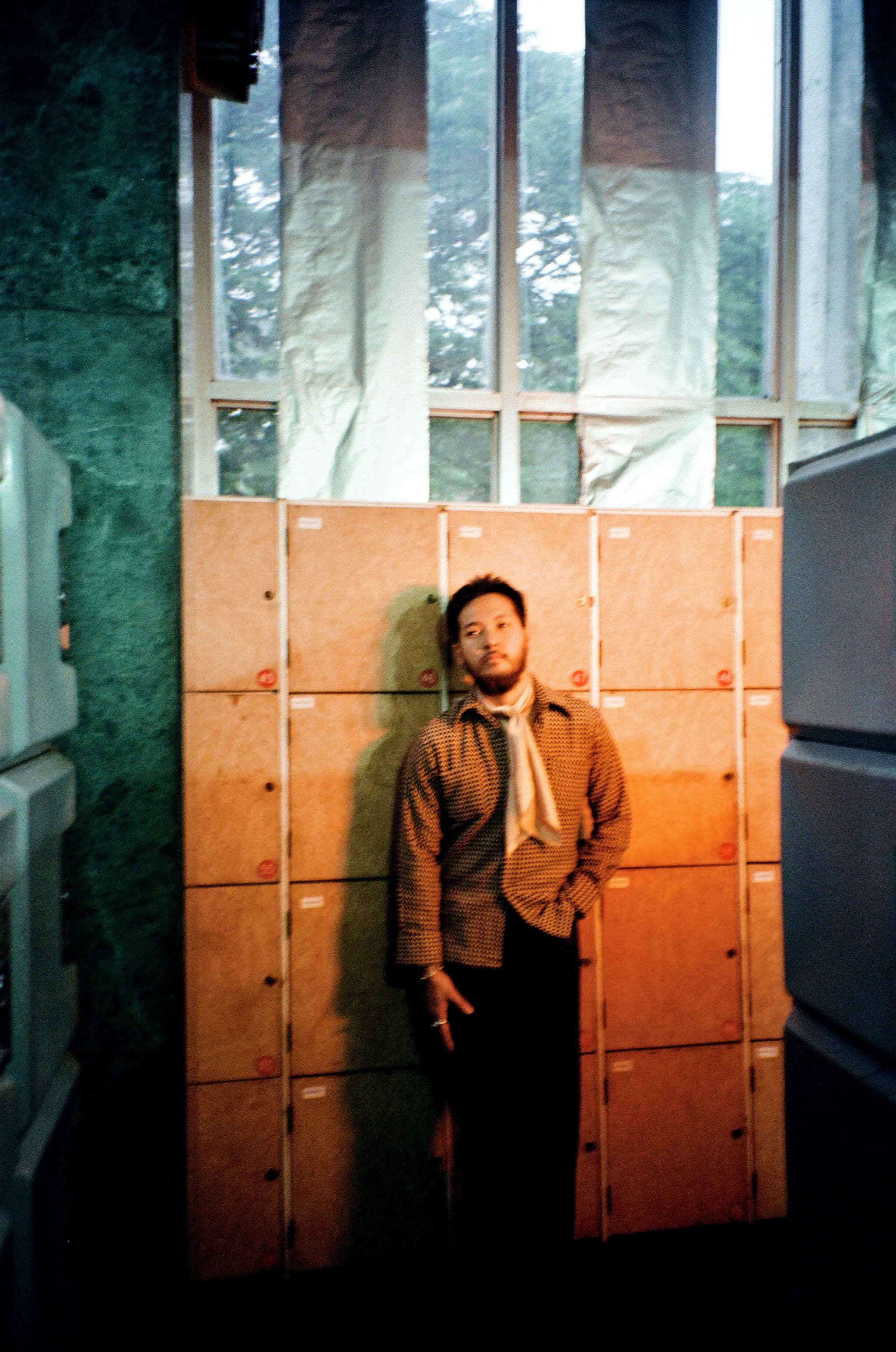
The fascinating part is that Yufu is Taiwanese born and bred, with no overseas education. Relying on his passionate research into classic Soul music, he has created works beloved by the entire world. In less than a year since its release, Heal Me Good has already been issued in different versions across four countries/regions. He has toured from his hometown Taoyuan all the way to Hong Kong, Beijing, Shanghai, Tokyo, Osaka, and Hamburg, and earlier this month, he swept the 16th Golden Indie Music Awards, winning "Best R&B Album," with the title track "Heal Me Good" also nominated for "Best R&B Song."
Yufu’s Soul music journey began in childhood. To encourage him to learn English, his family deliberately played a large amount of Western music for immersion, including household names like The Platters and The Spinners. The beautiful and rhythmic sounds became a seed planted deep in his heart. As an adult, however, Yufu initially hesitated to create music in the genre, intimidated by the vastness of Soul. Yet, during a period of professional disappointment, it was Soul music that rescued him from rock bottom. It felt like a calling from a past life—both distant and intimate. Ultimately, Yufu found his mission in Soul music, and Soul music gained Yufu as its disciple for the new generation.
Before his "The Grand Groove" concert at Billboard Live TAIPEI on November 27th, Yufu sat down for an in-depth conversation with his manager, Brien John. He shared his perspective on the world of Soul music, past and present, the challenges of pursuing his ideals, and revealed future plans, all while inviting everyone to join the warm and dynamic "The Grand Groove" with a joyful spirit.
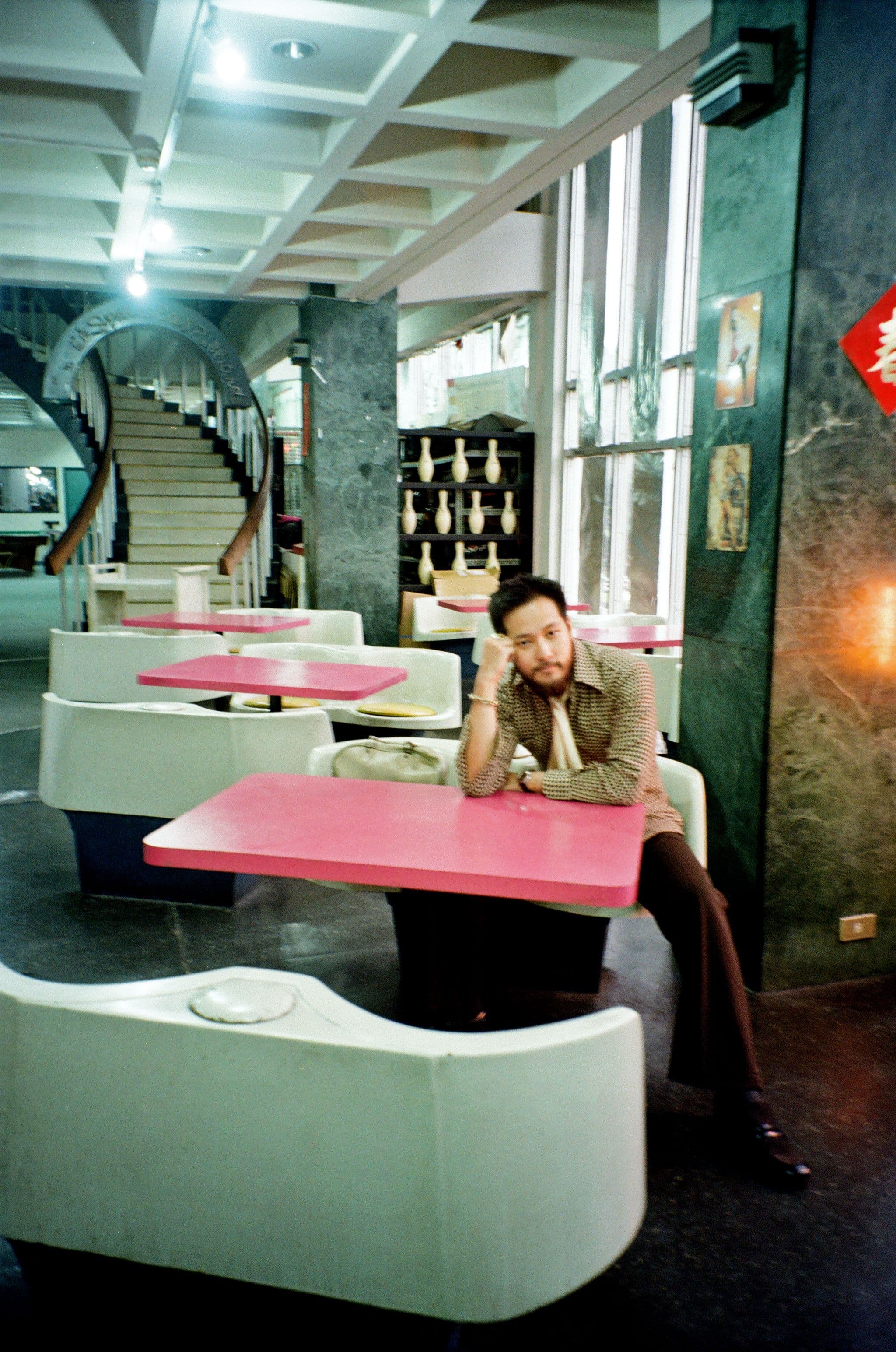
Brien: You released your debut solo album Heal Me Good earlier this year, focusing on the 1974 Soul music style. People who generally listen to music might know what Soul "as a whole" sounds like, but when you make a cut at a specific point in time, people might not quite grasp what that means. How would you describe that golden age of Soul music? If we were living in the US at that time, what would we be feeling?
Yufu: When I talk about the 70s, I always recall a scene from a documentary where, on an afternoon, many Black families are having a picnic in a park, eating, dancing, and playing American football. In that happy and harmonious atmosphere, everyone looks very cool and stylish. If it were a typical Soul night, the impression would be the boozy, hot atmosphere of a nightclub with many spotlights.
I believe the 70s was a golden age not just for music, but also for architecture, furniture, and other arts. The visual difference alone is huge. If you look at photos from the 70s, the colors of clothes and everything else are astonishing. The baby boomers born after WWII created a new young generation, leading to many unique cultures—very chaotic yet full of hedonism. It was a contradictory decade, which is very appealing to me. As a modern observer, even knowing the many problems of that time, I genuinely wish I could have lived in that era.
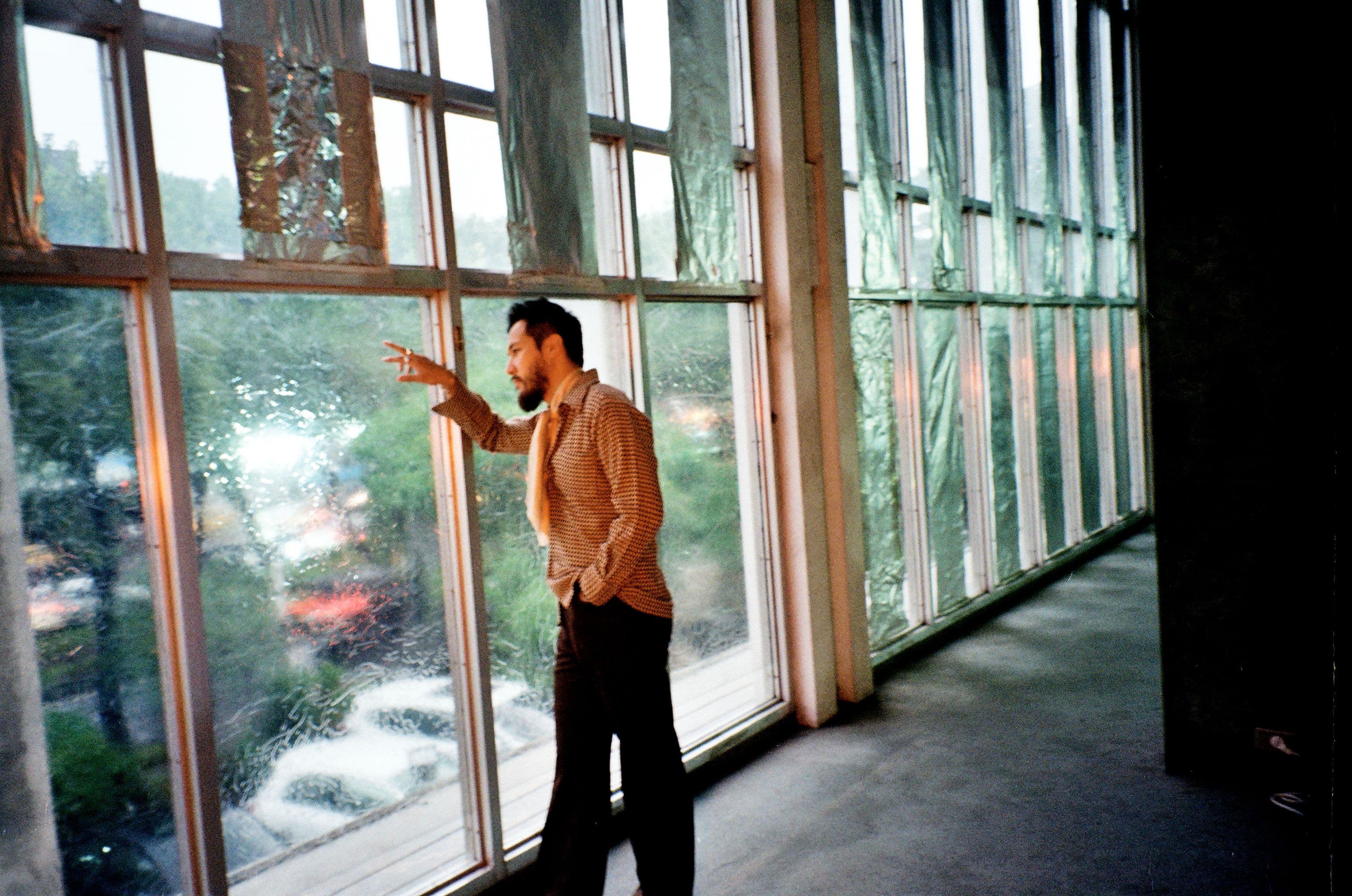
Brien: You mentioned that people in the 70s pursued hedonism, which reminds me that many people think R&B and Soul music are indulgent, focused on sex and romance, but that’s not actually the case. We must first look back at the 60s in the US, which was full of hope, lively, and bright. But by the late 60s, the Civil Rights Movement declined, and both major leaders, Martin Luther King, Jr. and Malcolm X, were assassinated; at the same time, the Vietnam War, which absorbed massive funding and manpower, was failing.
As the overall outlook became dark, a segment of society chose a more radical way to express themselves. This radicalism became Funk in Soul music, and Progressive/Psychedelic branches in Rock. Another segment felt fed up with frustration and pain; they sought self-healing, pursuing sweet sounds and lyrical melodies. This manifested as Philly Soul in the Soul world, and acoustic Folk-Pop, like James Taylor, in Rock.
Yufu: Actually, the 70s is still an era full of hope for me. In terms of Soul music, the development was richer—there was Funk, Fusion, and Soul. The Black community also discovered they could use music to speak out to society and share their thoughts. The 60s record industry, by contrast, placed a high value on commerciality and entertainment, reluctant to incorporate social issues into music.
Brien: We should all thank Marvin Gaye, who fired the first shot. He was originally just a cookie-cutter Motown romantic singer, but he gradually developed his own consciousness and message. His album What’s Going On created an unprecedented depth for Motown Records and influenced younger artists like Stevie Wonder.
Yufu: Yes, so discussing social issues through music is very moving for me. In addition, 70s Soul music also showcased the advanced music technology and more diverse musical elements of the time, shaping the sound of that decade.
Brien: Heal Me Good must be the first album in Taiwan’s history to be completely produced in the classic Soul style. In the nearly one year since its release, what kind of feedback have you received from Taiwanese fans?
Yufu: I used to play and create in a psychedelic rock band, so the fans then and the fans now are completely different groups. But no matter where I am, Soul music fans always make me feel very warm. When I went to a Soul bar in Okinawa previously, the owner told me that in the Japanese Soul music circle, everyone is equal—there is no class structure.
Taiwanese fans might not listen as deeply as Japanese fans, and for many, this is the first time hearing this kind of music. I've been doing Soul music for about three or four years, but it wasn't until this album that I saw many fans becoming curious, wanting to learn more about Soul music. Some friends even started digging into 70s music because of it, which moved me deeply. The overall feedback has been very positive; I didn’t expect so many people to be interested in Funk, Boogie, and Disco.

Brien: We often assume some music genres are too old or outdated, but for many young fans, it's the first time they've heard it, so the idea of being outdated doesn't exist. Their ears perceive it as something new.
Yufu: Exactly. As long as the music is good, it remains captivating, regardless of the era.
Brien: What does the audience look like when you look down from the stage during a performance? Was it what you originally expected?
Yufu: I always thought Taiwanese audiences were relatively shy, but for some reason, everyone who comes to our shows is very willing to join the interaction, which is quite surprising to me. I often don't open my eyes when performing, so when I look at photos later, I feel that everyone's expressions are quite active and curious.
Because of this album, I’ve also met more Taiwanese musicians who are keen to understand this kind of music, so we have more peers to connect with. Also, perhaps because I’ve performed overseas and released local versions in different countries, I’ve gained more visibility back in Taiwan.
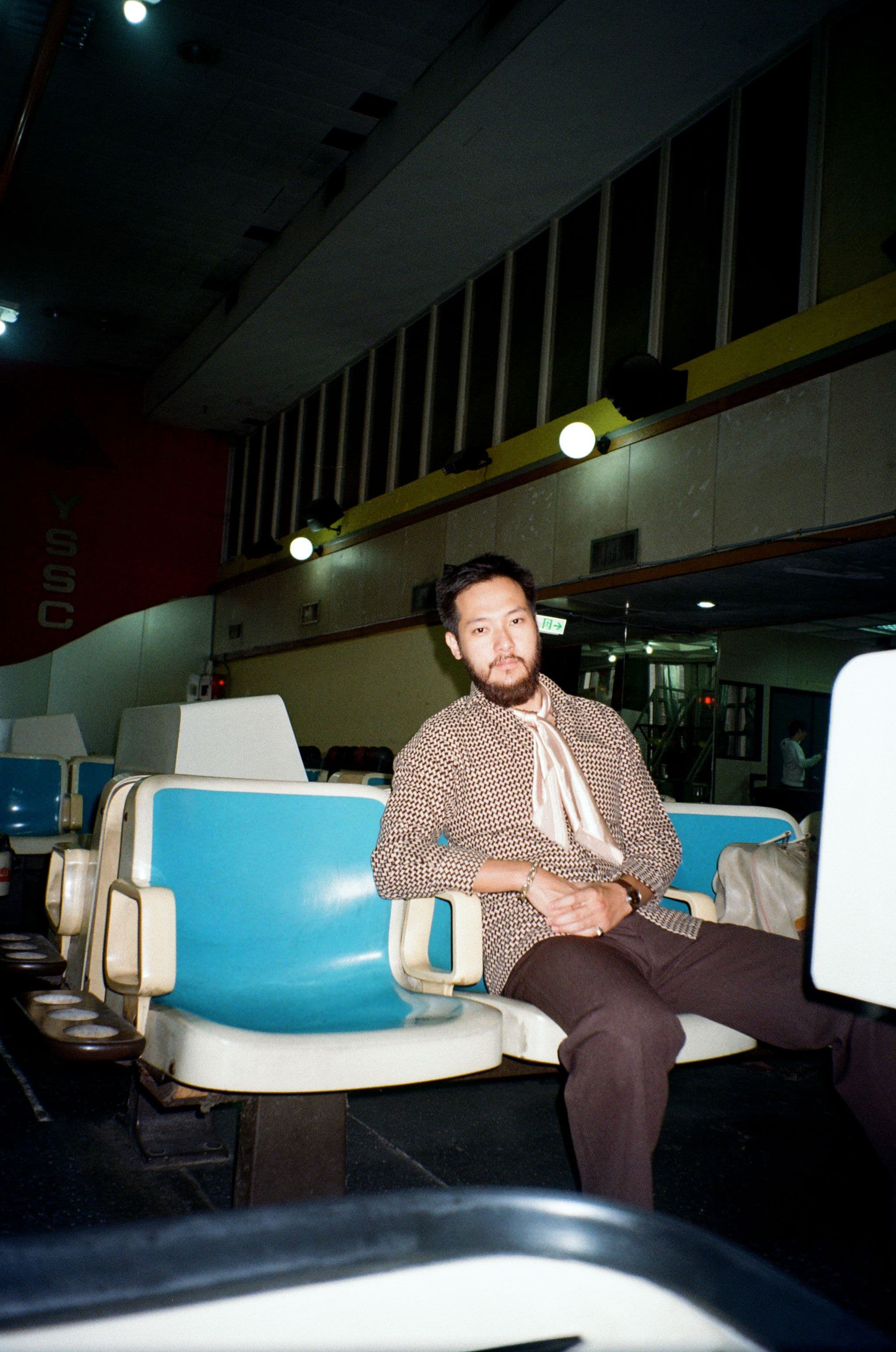
Brien: To you, what should good Soul music be like?
Yufu: I think good Soul music needs to be honest. It can be very commercial, but both the creation and the performance must honestly represent yourself, such as the social issue songs we just discussed. There needs to be more reflection on society and on oneself—that’s what I pursue.
My own songwriting method is a bit unique; I tend to frame social events as films to approach them. I used to dislike writing commercial or romantic things, but for this album, I started wanting to write some catchier songs. This is my relatively honest way of creating.
I also don’t want my vocals to be too flashy; I want to maintain the original, honest voice, like Marvin Gaye, Curtis Mayfield, or the line of Miami musicians I recently love, like Little Beaver. Many critics say Marvin Gaye’s singing is very pure; he’s not a technically showy singer, and his compositions clearly articulate the theme. That’s what I aim for in my creation. For recording, I want to pursue a more analog sound. Many people think this is a romantic idea, and some even exaggerate by saying analog is just cutting off the high frequencies. But to me, that is the sound of classic records. I want to use the equipment from that time to record. This album hasn't fully achieved it, but I hope the next one will be 100% analog.
Brien: Following that topic, what has been the biggest challenge you’ve faced in pursuing Soul music and pursuing honesty?
Yufu: Culturally, I naturally lack a Black cultural background. I use my own mindset to imagine and project it into the current form. I believe many young Black musicians today don't have a 70s background either; that was fifty years ago. I am simply reproducing the emotion I felt and presenting it in my music. I don't overthink issues of race or background, but I believe what I'm doing is 100% out of admiration for the culture, not exploiting it for profit. I consider myself a student of this culture.
I need to listen a lot, do a lot of research, and dig into articles—for example, how mixers back then might boost 800 Hz slightly, or place phase far left and far right; those are classic techniques. Technically, it’s always the hardest part, especially since I'm the only one doing this in Taiwan. If I were in the US, there would be local scenes where people would research together and influence each other. When making this album, perhaps only the bassist A-Yao understood what I was doing, but he likes the late 70s sound, which is still a bit different from mine.
It's not that difficult to find old reel-to-reel tape machines in Taiwan, but finding someone who can fix them is very difficult. My tape machine happened to break, so I could only complete half of the album digitally in the end. Still, I learned a lot throughout the whole process. For the next album, I want to target the early 70s sound, which brings new challenges.
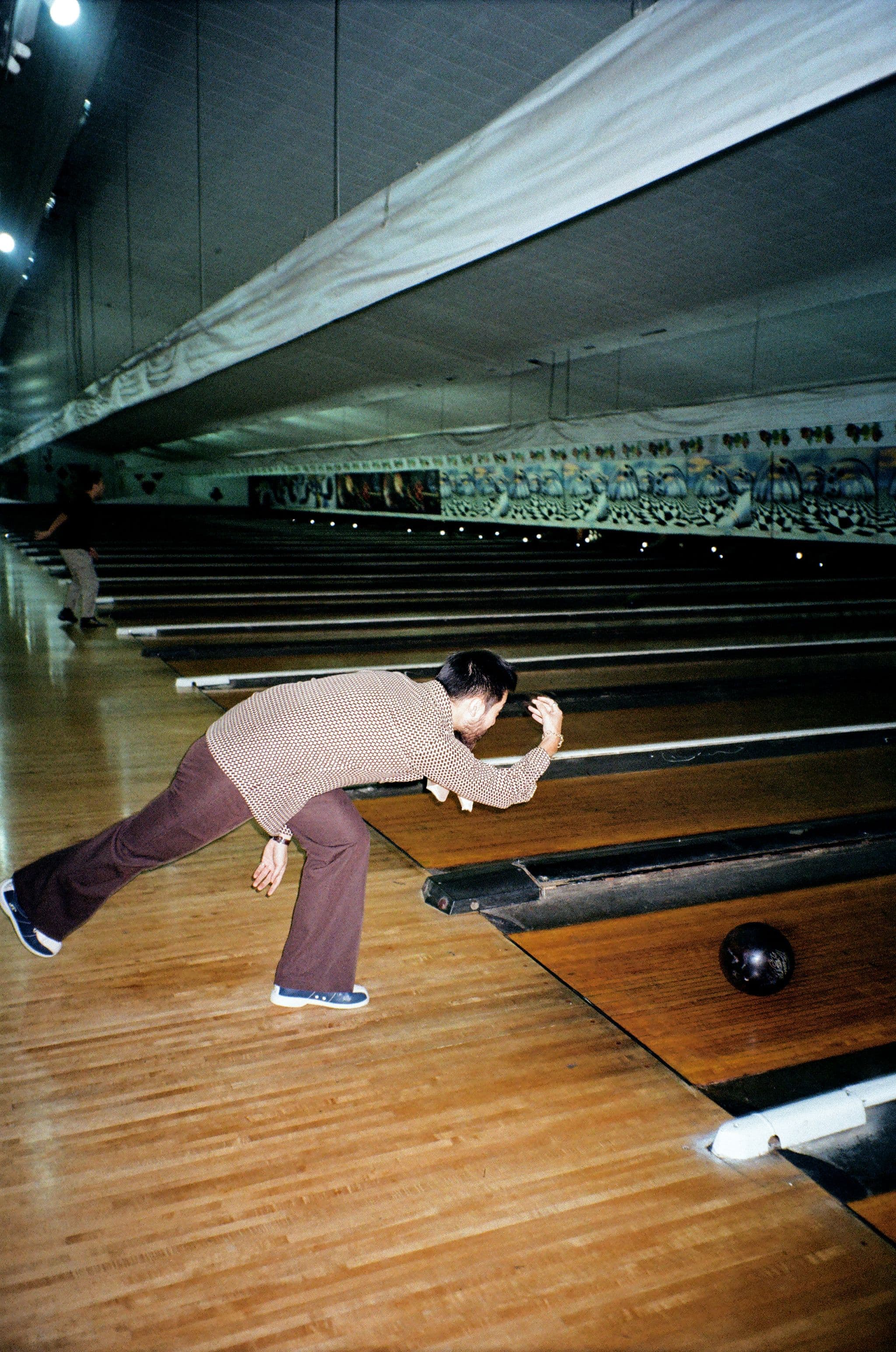
Brien: Black music has always placed great importance on context and tradition, and you mentioned that you are reproducing the emotion you felt. If fans want to understand you better, which five albums would you recommend they listen to?
Yufu: The first is Willie Hutch's ‘Soul Portrait’ (released in 1969). Willie Hutch moved towards a more Soul-funk direction after the 70s, and I think this album is generally underrated. It's very warm and full of soul. Willie Hutch inherited Sam Cooke's singing style, adding unique scales. This is an album not to be missed.
Marvin Gaye's ‘What’s Goin On’ (released in 1970) is an essential, socially reflective masterpiece in Soul music. This album is art through and through, even using the "song cycle" composition method to link all the tracks. It means a lot to me and has healed many anxious nights.
Next is Al Green's ‘I'm Still in Love with You’ (released in 1972). Al Green is my favorite singer of the last few years; of course, the famous Let’s Stay Together album is also one of my favorites, but I absolutely love the songs on this one! I think the production and recording sound of Hi-Records is very special, a unique presence in Soul music. His reserved, wild, yet delicate and sometimes improvisational singing is, in my opinion, the highest vocal performance in the Soul pantheon.
The fourth is Little Beaver's ‘Party Down’ (released in 1974). Little Beaver is an extremely underrated Miami Soul singer-songwriter and guitarist. This album has a very strong home party theme (which is a common fun aspect of Soul music). Little Beaver uses remarkable Blues guitar playing and a wah-wah effect, adding a Miami flavor to the rhythm (which, due to geographical proximity, had already fused with Cuban rhythms). I think it's a very rare work that has inspired me greatly and deeply influenced my own music.
Finally, George Jackson's ‘George Jackson In Memphis 1972-1977’ (released in 2009). George Jackson is the songwriter I've spent the most hours listening to. He is an extremely human Soul singer-songwriter whose Southern Soul can move anyone. Among the five albums I recommend, George Jackson's is the most underrated. His work spans Soul, Blues, 60s Rock, Funk, and Disco. Perhaps because I've also played in bands across these genres, I feel a particularly strong connection to his music.
Brien: In 2025, there are still many people around the world creating classic Soul music styles like you. Can you introduce the contemporary scene?
Yufu: Since this scene doesn't exist in Taiwan, I've been constantly searching overseas, and I've found that while the scale isn't comparable to other genres, these sounds still exist worldwide.
In Asia, Japan is still the most vibrant scene. You can hear Soul music frequently playing in their big box stores and supermarkets. Due to cultural backgrounds like City-pop, their contemporary music still carries subtle shadows of Soul. For the classic Soul scene, we must mention the US. There are a few incredible labels in New York that I admire: Colemine Records, Big Crown Records, and Daptone Records. The most familiar one is probably Daptone Records, as Amy Winehouse's classic album Back to Black was recorded there. Later, some people started a new venture in California, forming Penrose Records, a label specializing in Chicano Soul.
The current Soul scene usually revives the periods of 1965 to 1970 and 1976 to 1985. People like me, focusing on the 1974 sound, are relatively fewer.
In Europe, Northern Soul, which originated in the UK, is worth mentioning first. It's been around for fifty years. Young people in the UK at that time discovered some more niche, underground American Soul music, forming a very interesting DJ competition and dance culture. They all dance solo, dancing to themselves, so you see no order in the dance halls; everyone has their own steps. It’s like a way to vent and get exercise—it’s a mainstream culture derived from a Soul subculture. This Northern Soul scene later spread to Germany, France, and the Netherlands. Along with the original UK, these four countries are still the most prevalent and maintain an excellent classic Soul scene today.
In terms of labels, Italy has Record Kicks; and the Netherlands has Zip Records, which released my album Heal Me Good. As for France, they have had strong Funk and Disco since the 70s. I continuously receive messages from many European fans asking when I will perform there, which I never encountered before. They enthusiastically share where they heard my music and went directly to a record store to buy the album, showing the warmth of this community. So, I also want to visit and support these stores and scenes. Independent Soul musicians in Asia currently include Dizkar from Yunnan and Thee Marloes from Indonesia; Australia also has many impressive works. Before making the album, I thought Soul music was niche, but after finishing it, I realized more and more people worldwide are making Soul music. I hope more people will join the Soul music scene in the future.
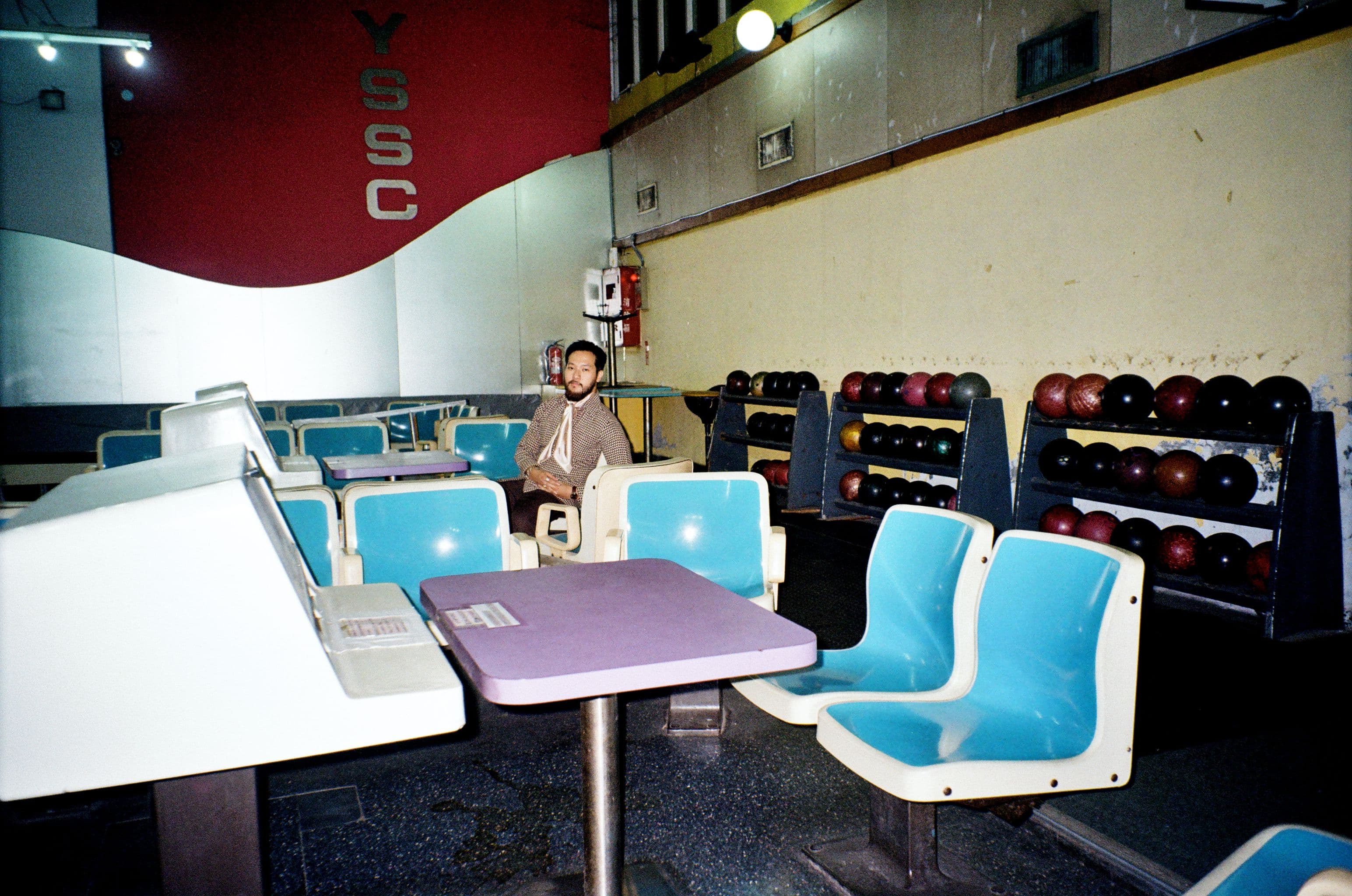
Brien: In September, you performed at the Reeperbahn Festival in Germany, and also held an in-store signing at Tower Records in Japan for the Japanese version of Heal Me Good. Can you share those experiences?
Yufu: The Reeperbahn Festival in Hamburg is probably the biggest music festival I've attended. I was lucky to have a packed show that day and was surprised so many people were interested in my music. The European audience was very passionate. I also saw the Australian band Surprise Chef (signed to Big Crown Records) perform. Although they aren't pure Soul, it was the closest live performance to Soul music I had ever seen.
I had never seen a live Soul music performance before because almost all the musicians I admire have passed away. I could only buy their live albums or search for past concert footage on YouTube. I highly recommend subscribing to the "Midnight Special" channel; it was originally a 70s TV show, and they recently digitized all the old film reels and uploaded them to YouTube, allowing you to relive that scene.
As for Japan, I found it completely different from other places. The people who came to see me were very veteran Soul music fans. Even Mr. Murakami, the leader of the vocal group "The Gospellers," came! I was truly shocked; he is such a popular musician! Compared to Taiwanese fans who saw me with a sense of novelty, Japanese fans' attitude was more like, "Finally, a newcomer has appeared in our scene," giving me a lot of anticipation, which makes me want to meet those expectations. I also visited a few Soul bars along the way, and the owners recognized me, showing that they don't just listen to old music but also support current music. I felt the warmth of this community.
Brien: You plan to move to Japan next March, and this show at Billboard Live TAIPEI will likely be your last solo concert in Taiwan before then. Can you share why you decided to move to Japan?
Yufu: Because I feel there's a very cool scene there, and I want to go and learn from them and collaborate. I'm moving to Kobe, and local fans say it's a key city for Japanese Soul music because of its UK Northern Soul cultural background, which is very appealing to me. I also want to take this opportunity to leave my comfort zone and challenge myself.
Brien: Finally, the Billboard Live TAIPEI concert is fast approaching. Can you reveal what kind of wonderful content you will bring?
Yufu: I hope to restore some of the feeling of 70s live performances, especially in this new venue from Japan, where the sound and quality are certainly top-notch. I think the combination with the dining experience is unique, and I'm quite envious—I hope to attend as a guest next time! My vision is like a modern Cabaret performance. The audience enjoys the experience, and we present a more refined and complete performance while retaining a lot of pure groove. That's why this show is called "The Grand Groove." I believe everyone will have an experience that is both comfortable and completely different from a typical concert.
Article Author

