
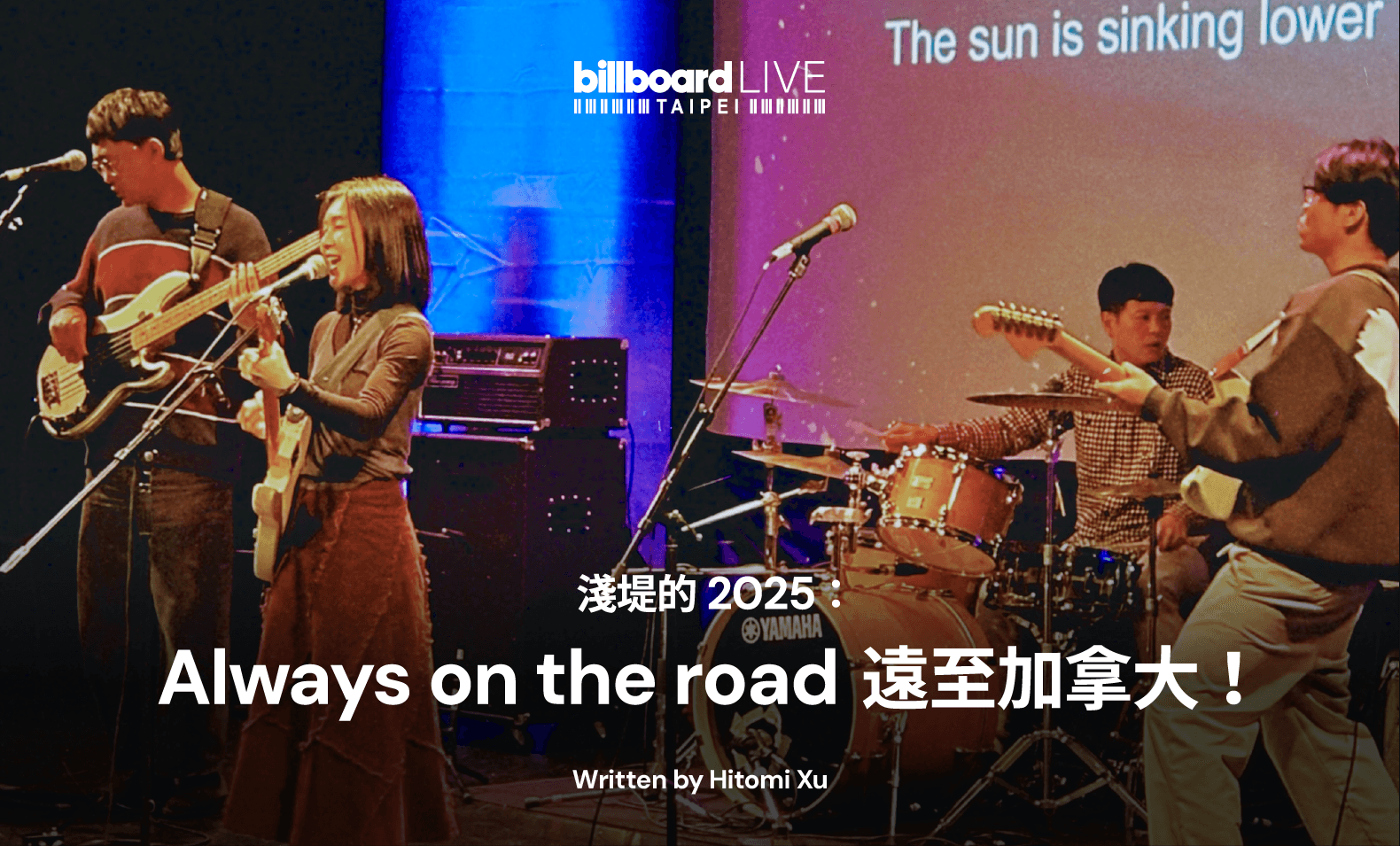

For the members of Hedwig, 2025 has been an exceptionally fulfilling year. They performed around the world and, in early winter, received their first invitation to a music festival in Vancouver, Canada—marking a new step toward the North American and European markets. While they are still on tour, we caught up with the band—vocalist Yi-Ling, guitarist Hong-Cha, bassist Fang-Bo, and drummer Tang-Xuan—to talk about their touring life this year and their first-ever trip to Canada.
Hitomi: Hi Hedwig! We heard you just wrapped up your performance at a music festival in Canada. It seems you have been traveling extensively this year. In addition to touring more than ten cities across Taiwan, you also performed in Japan, Korea, Singapore, and Malaysia. It must have been an incredibly busy year.
Shallow Levée: It has truly been a fulfilling year. Early in the year, we performed at Okinawa’s Music Lane Festival, and we also launched “Island Tycoon 2.0.” “Island Tycoon” is a Taiwan-wide tour series we first held after the pandemic. The idea behind it is to explore interesting music venues outside major cities—bringing music into people’s everyday environments and “going home” together with our listeners. This year’s second edition took us to several new places. We played in guesthouses, bookstores, and old houses, and even flew to Penghu—our vocalist Yi-Ling’s hometown—for the first time.
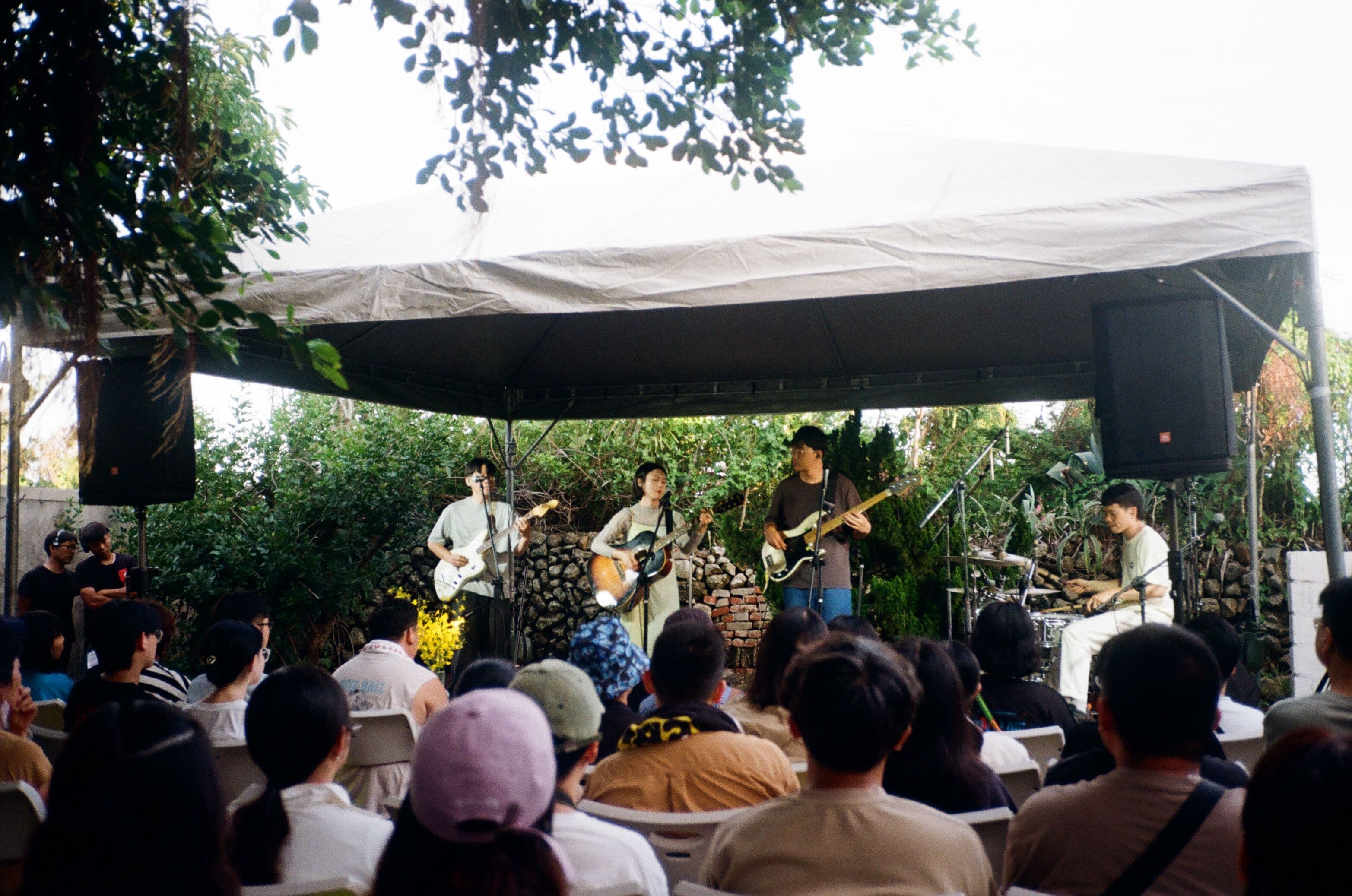
After that, the tour continued in Korea, Singapore, and Malaysia. In addition to the shows, Yi-Ling also held talk-and-sing sessions for her new book release (she has really been unstoppable this year). As the year drew to a close, the band made their first trip to the Americas, performing at JADE MUSIC FEST in Canada.
Hitomi: It truly sounds like a packed year. With all this traveling, have you become fully accustomed to life on the road?
Hong-Cha: Completely. I can pretty much live the same way I do back in Taiwan. I still hit the gym, and I make sure I get enough fruits and vegetables.
Yi-Ling: At the beginning, it was definitely hard to adjust. But eventually I realized, maybe this is simply what life is for me now. So I might as well find ways to enjoy it. And maybe it is also because I am getting older, I’ve started to cherish things more. When I was younger I would just think, “I’m tired.” Now I’m more aware that many things could be happening for the last time.
Tang-Xuan: These days I focus on whether I’ll have enough physical strength left for the show at night. And honestly, I’ve lived in Taipei for 15 years saying, “I really want to visit the Miniatures Museum,” and I still haven’t gone. So when we travel, there is no place that I feel I must visit. What matters is whether the hotel bed is comfortable enough to sleep well.
Hitomi: Quality rest really is important. Speaking of which, were you able to sleep on the long-haul flight to Canada?
Hong-Cha: Yes, I slept. But I was worried about blood clots, so I kept getting up to walk around.
Yi-Ling: And the jet lag turned out to be surprisingly manageable. It is so quiet and comfortable there. After adjusting my schedule a bit, I somehow became a morning person again.
Hitomi: We would love to hear more about the trip itself. How did this opportunity to perform in Canada come about?
Yi-Ling: JADE MUSIC FEST is a showcase festival held in Vancouver that focuses on Chinese-language culture and mother-tongue creative work. Most of the participating artists are from Canada and Taiwan. This year, bands like Good Day and artists like Chiu Shu-Chan also performed. In addition to live shows, the festival hosts forums and workshops on topics such as band management and mother-tongue songwriting. We even participated as speakers to share our experience in running a band.
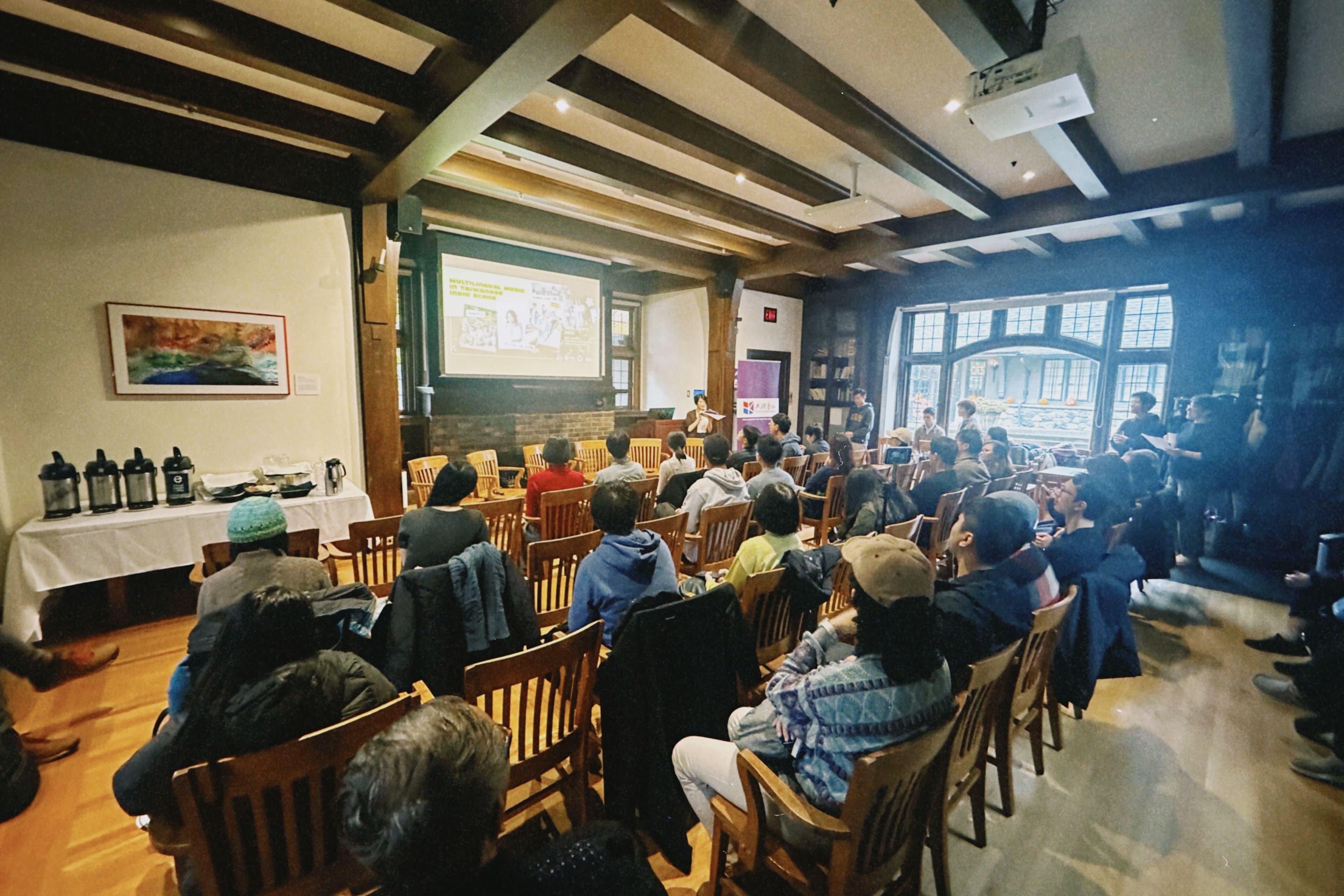
Hong-Cha: Tang-Xuan took the lead for that session. His English preparation was solid, and everything went really smoothly.
Tang-Xuan: Although the JADE performances were geared toward the general public, the forum portion leaned more toward an academic audience. One of the festival’s core concerns is spotlighting underrepresented ethnic communities, and the languages discussed are not limited to Mandarin. Since it is a Taiwan–Canada bilateral festival, there was even an Indigenous band participating when the event was held at Huashan last year.
Hitomi: It sounds incredibly diverse. When it came to the actual show, what were the audiences like?
Yi-Ling: We were actually quite surprised. We met fans who are studying or working in Vancouver, and quite a few told us they had already seen our shows back in Taiwan. It was really interesting. I felt that they share a certain temperament with Hedwig. How should I put it… it is as if they are unafraid of long flights and long distances, and no matter where we go, we end up meeting again.
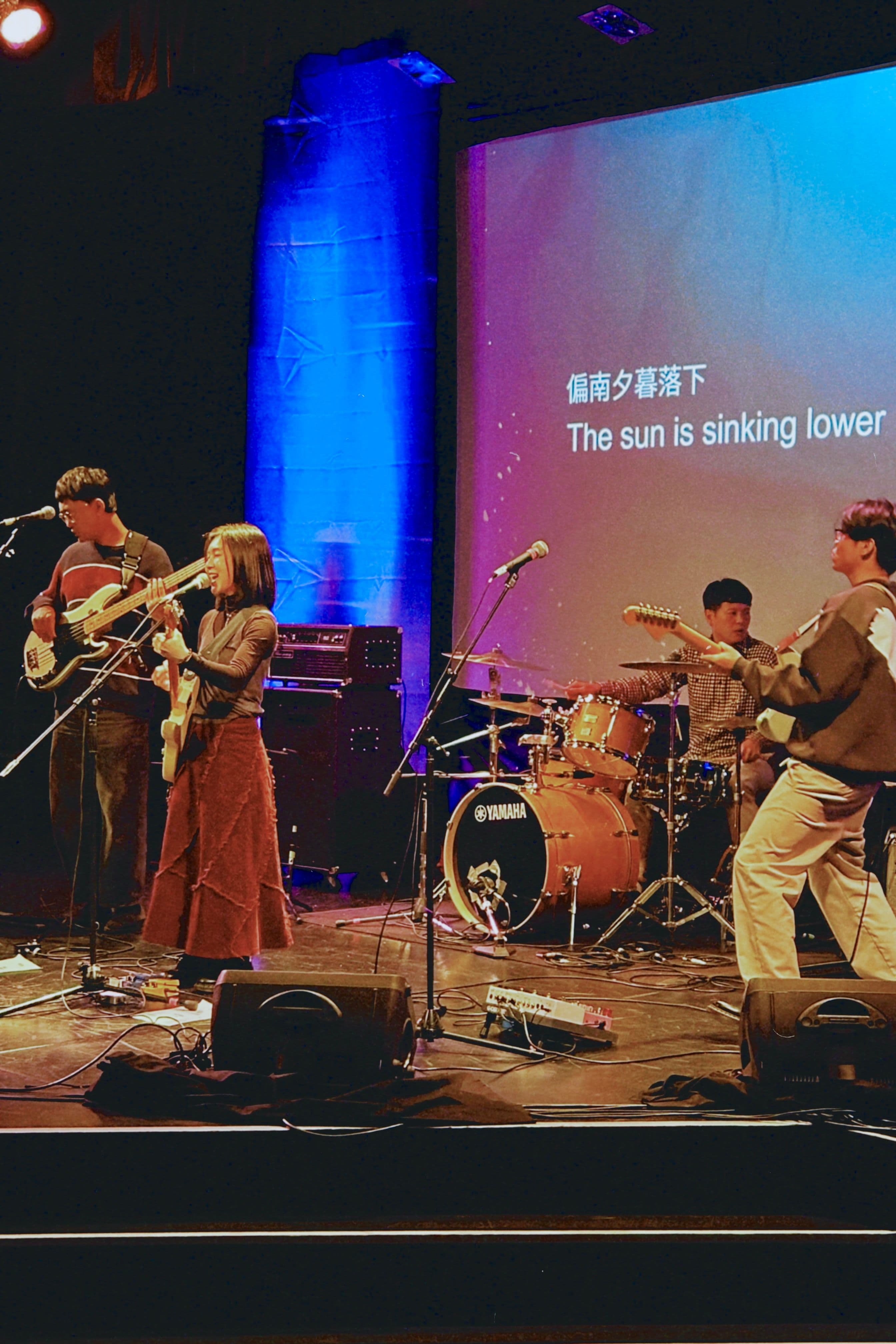
Another thing worth sharing is that our Vancouver show took place in a cultural complex similar to Huashan in Taipei. Right outside, there was a large farmers’ market, and the atmosphere was wonderful—people hanging out by the harbor, eating, and listening to music. It all felt very approachable and relaxed. Just by walking a few steps, you would run into street performers. We were not even sure whether they were invited artists from the festival or just local musicians, but at one point we heard someone singing in Hakka inside the complex, and it felt almost surreal—like a little magical moment.
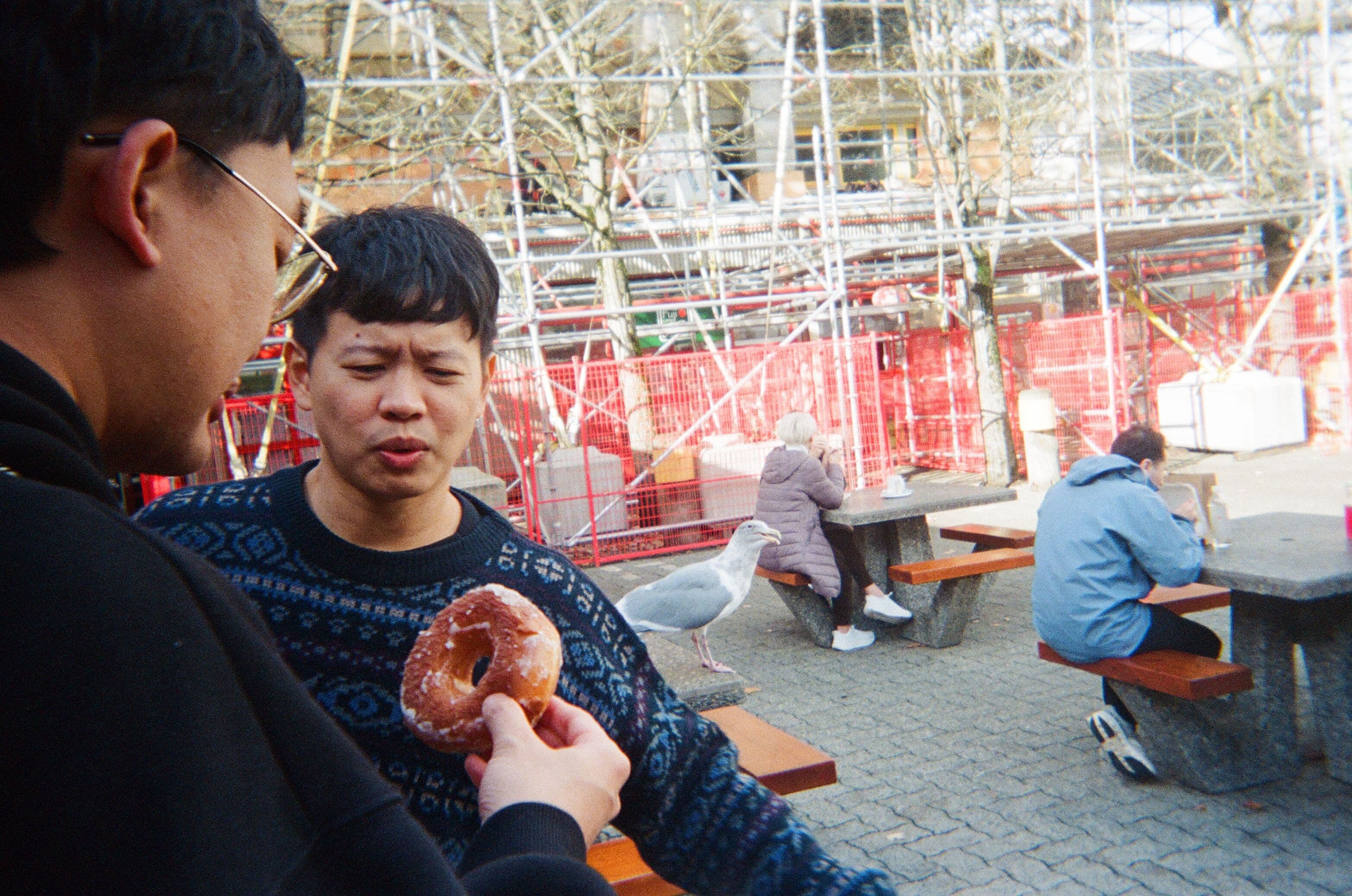
Hitomi: That reminds me—during your performance in Vancouver, did you do your talking segments in Mandarin? Since Hedwig’s lyrics are mostly in Mandarin and Taiwanese, I’m curious how you view the role of language in your performances.
Yi-Ling: Our talking segments were mostly in English that day. We even projected English subtitles for the songs. But once we started performing, the crowd felt like “our own people,” in a way. It was a strange and wonderful feeling. Even though many of them were likely second- or third-generation Chinese Canadians, everything felt natural—almost like we were communicating without needing language.
Hong-Cha: To be honest, if someone doesn’t understand a language, they just won’t understand it. So the energy in our performance is how we convey emotion. Every place has a different culture, and when we play abroad, we always prepare some local-language talking points or a cover—that’s our way of showing sincerity and goodwill. But ultimately, it is still the music itself that builds the interaction.
Yi-Ling: Exactly. Audiences already know they’re coming to hear a band performing in its mother tongue. So they usually show up with a very open mind.

Hitomi: That makes perfect sense. Ultimately, the music speaks for itself. From everything you’ve shared, it sounds like you all really enjoyed Canada?
Yi-Ling: It was so calm there. The whole trip felt relaxing, and the natural scenery was beautiful. Going back to what we said earlier about “connecting with the audience,” since I am usually the one interacting with the crowd the most, I tend to rely on the experiences I have outside of work to ground me. So during breaks between shows, I like to go to places recommended by locals. This time, we visited a big park that someone recommended and rode bicycles there—it was wonderful.
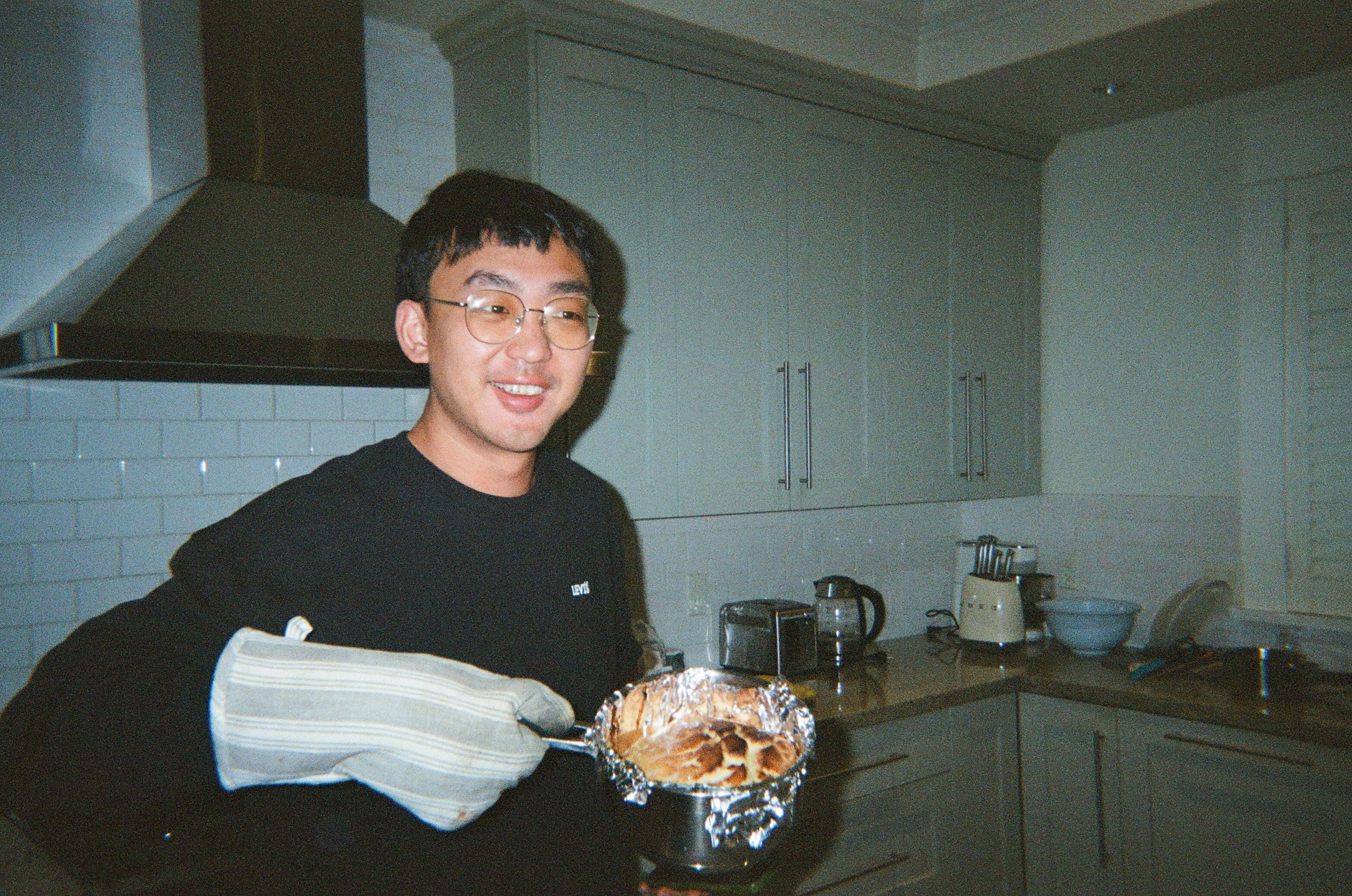
Hong-Cha: I really liked it too. We were staying in a suburban area, and we rented a big house to live together. We cooked breakfast together, and Fang-Bo even baked a Basque cheesecake. When we headed into downtown, the vibe was completely different again, which was fun in its own way.
Hitomi: Besides work and daily routines, did you manage to do any sightseeing?
Fang-Bo: Tang-Xuan and I went downtown one day to catch a show. It was a Chicago emo band I’ve listened to for years, but I’ve never had the chance to see them live. They’re not likely to come to Taiwan, so when we found out they were playing in Vancouver, we went for it.
Yi-Ling: We also went to an ice hockey game!
Hong-Cha: It was genuinely moving. It was the local team, and you could really feel the sense of unity in the city. The atmosphere of everyone coming together around a sport was amazing. After our show, we each took a few days to visit the U.S. before heading home. I went to an NBA game, and it was incredibly emotional for me.
billboard: Sounds like you all got a good recharge.
Hedwig: We’re still wrapping up the last dates of our year-end tour, and we’ll be heading home soon. Looking forward to seeing everyone at billboard LIVE TAIPEI!
載入中... (EventEmbed: 11a1975a-2836-4395-a3c5-b2d631835179)
작성자

台北出生的散文女。依序著有《裙長未及膝》、《刺蝟登門拜訪》、《明天還能見到你嗎》。不寫書的時間是樂團小幫手,不在後台的時候,通常都在台下。